Local Food Scrap Composting
Detroit food scrap businesses help divert waste and enrich soil through local composting.
Anonymous
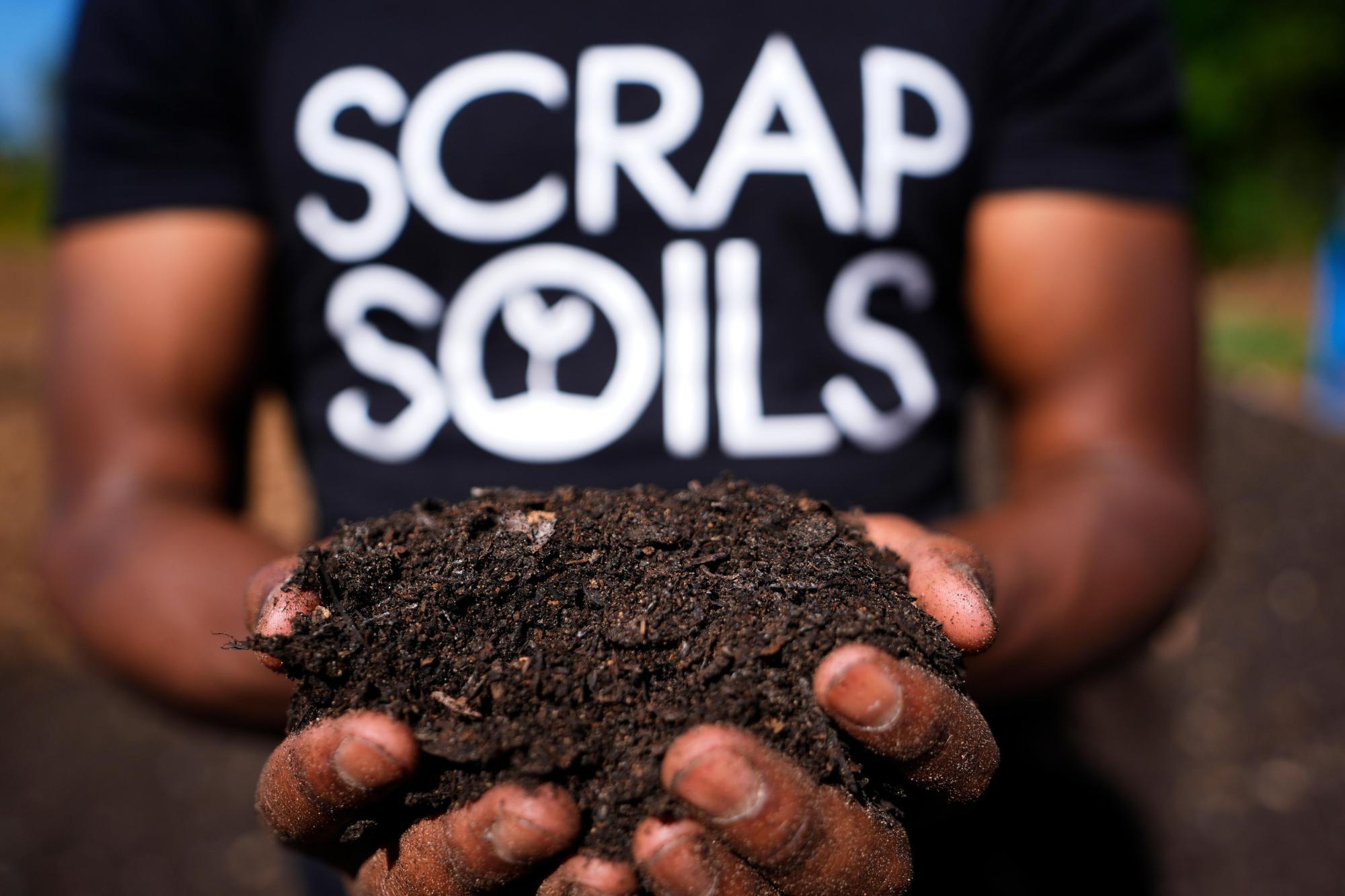
Food scrap pickup services are expanding across the US, making it easier for people to compost without doing it themselves. LA Times reports that Ricky Blanding, CEO of Scrap Soils in Detroit, drives a truck collecting coffee grounds, eggshells, and other food waste from porches and restaurants. The scraps get transported to composting sites instead of landfills, where they would produce methane—a potent greenhouse gas that fuels climate change.
These services are filling a gap for city dwellers and renters who can't compost at home. Mercury News notes that composting reduces landfill methane emissions and returns nutrients to soil. The result: healthier soil for gardeners and urban farmers. But these young companies face real obstacles—limited resources and low visibility in their communities.
Why Food Waste Pickup Services Are Growing
Most cities don't offer curbside food scrap collection like they do for recycling. Seattle Times explains that Scrap Soils solves this problem by picking up food waste directly from homes and restaurants. People save time. The planet saves resources. Experts say services like this are essential to cleaning up the broader food ecosystem and keeping organic matter out of landfills.
The Environmental Win: Less Methane, Better Soil
Food rotting in landfills produces methane, a greenhouse gas far more powerful than carbon dioxide. SF Chronicle reports that composting food scraps turns waste into valuable fertilizer. The nutrients go back into soil instead of being buried underground. Urban farmers and gardeners get richer, healthier soil. The climate gets a break. It's a clean cycle that benefits everyone.
Real Obstacles Threaten Young Composting Companies
Scrap Soils and similar services operate on thin margins. US News notes that these companies struggle with limited resources and limited visibility in their markets. Many people don't know the service exists. Operating costs—trucks, fuel, staff, composting sites—are high. Without stronger community awareness and steady customer bases, even promising startups can fail before they gain traction.
Making Composting Accessible for Everyone
Not everyone has a yard or the time to manage a compost bin. Yahoo News reports that pickup services make composting accessible to renters, apartment dwellers, and busy professionals. People simply separate food scraps—no meat, dairy, or oil—and leave them on their porch. The truck picks them up on schedule. It removes the friction that keeps most people from composting. For cities without municipal programs, these private services fill a critical need.
Sentiment
NeutralNEGATIVENEUTRALPOSITIVE
Publishers
12
Articles
12
Reach
13
Topics
A
AnonymousAuthor


