Lambeth Palace Withdraws Award to Pakistani Cleric
Lambeth Palace Withdraws Award to Pakistani Cleric
Anonymous
Key Points
1
Sarah Mullally is the first female Archbishop of Canterbury in more than 1,400 years; she introduced the Lambeth Awards by describing a world marked by “injustice,” poverty, starvation and a “climate emergency.”
2
The Lambeth Awards are among the Church of England’s most prestigious honours, with previous recipients including Queen Elizabeth and Pope Francis.
3
Travis Frain, a survivor of the 2017 Westminster Bridge terror attack and founder of the Resilience in Unity Project, urged Mullally to meet terrorism victims to understand the harm caused by the decision.
4
The controversy involved not only Ashrafi’s past comments but also the Pakistan Ulema Council’s institutional role: the council, which he chairs, was the body that conferred the “Saifullah” title on bin Laden in 2007.
5
Lambeth Palace’s withdrawal statement maintained that the award recognized Ashrafi’s “longstanding support for religious minorities in Pakistan, particularly the Christian community,” and said that work was valued by Christians, including members of Pakistan’s Anglican Church.
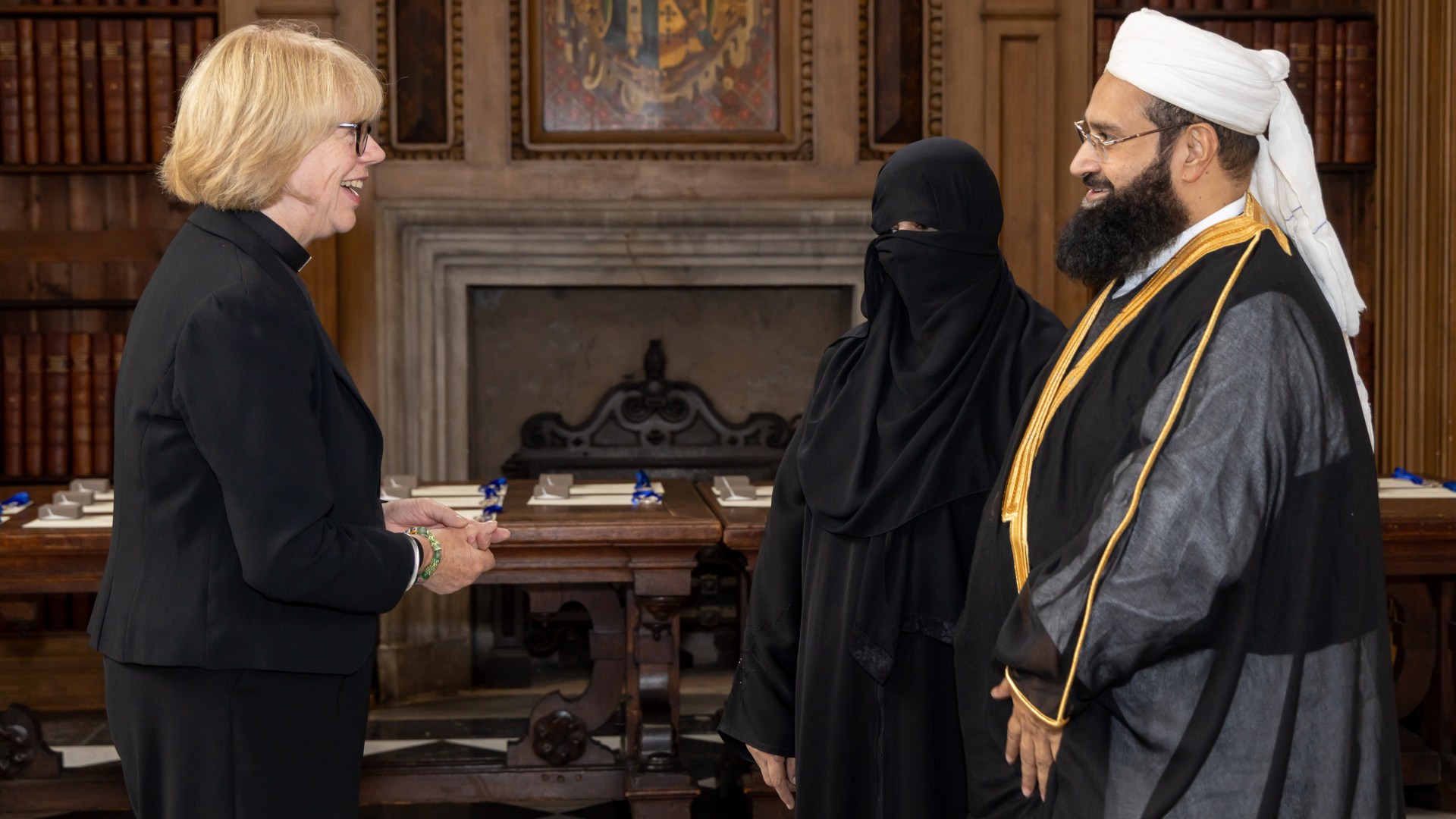
The Church of England's top leader withdrew a major award to a Pakistani cleric just days after presenting it on the 25th anniversary of 9/11. LFPress reported that Archbishop of Canterbury Sarah Mullally rescinded the Hubert Walter Award for Reconciliation and Interfaith Cooperation given to Hafiz Muhammad Tahir Mehmood Ashrafi after public outcry over his past praise of Osama bin Laden.
The controversy erupted when critics resurfaced reports that Ashrafi and the Pakistan Ulema Council—which he chairs—awarded bin Laden the title "Saifullah," meaning "Sword of Allah," in 2007. The Sun noted the decision sparked fury over the "naive" timing of the award on the 9/11 anniversary.
How the Award Became a Crisis in Days
Mullally, the first female Archbishop of Canterbury in more than 1,400 years, presented the award at Lambeth Palace on September 11. Daily Mail reported the Lambeth Awards are among the Church of England's most prestigious honors, previously given to Queen Elizabeth and Pope Francis. The award recognized interfaith work—but public backlash came swiftly.
Terrorism survivors and politicians demanded Mullally apologize and meet with victims. Yahoo News cited critics who questioned how the Church of England vetted an award winner with such a troubling record on such a symbolically important date.
Bin Laden's 2007 Honor and Ashrafi's Role
The Pakistan Ulema Council, chaired by Ashrafi, granted bin Laden the "Saifullah" title in 2007—described as "Sword of Allah"—in response to author Salman Rushdie receiving a knighthood. This was not merely Ashrafi's personal view but an official institutional act. The revelation showed the council's institutional support for extremist ideology at a high level.
The Sun emphasized the shocking nature of the award timing, coming on the exact anniversary of the 9/11 attacks that killed nearly 3,000 people. The decision raised questions about whether Mullally understood the historical weight of presenting such an honor on that specific date.
Lambeth Palace's Defense of Ashrafi's Interfaith Work
In withdrawing the award, Lambeth Palace stated Ashrafi had shown "longstanding support for religious minorities in Pakistan, particularly the Christian community." The palace said local Christians valued this work. However, this argument failed to persuade critics or survivors of extremist violence.
Travis Frain, a survivor of the 2017 Westminster Bridge terror attack, urged Mullally to meet victims to understand the harm caused by honoring someone with ties to extremist praise. The controversy exposed the tension between recognizing interfaith cooperation and accountability for past extremist statements.
Sentiment
Mostly NegativeNEGATIVENEUTRALPOSITIVE
Publishers
18
Articles
20
Reach
38
A
AnonymousAuthor


