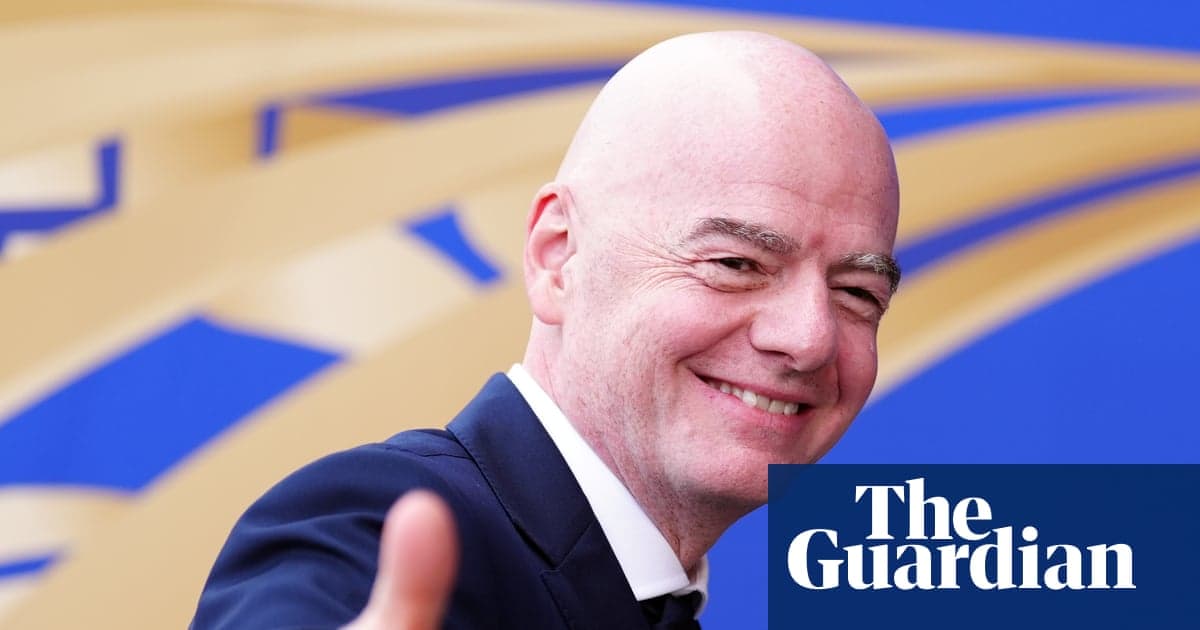
Infantino's FIFA Crisis Deepens
Infantino Faces No-Confidence Vote from UEFA After Controversial World Cup Privatization Plan Scrapped
Anonymous
Key Points
1
Infantino's senior adviser Carlos Cordeiro and chief operating officer Kevin Lamour resigned, with statements accusing the Forward Enterprise plan of being a 'project of one person' and criticizing its secrecy and direction.
2
The Thrive Eternal investment group, led by Joshua Kushner (brother of Jared Kushner), was slated to lead the private investment in FIFA Forward Enterprise and would have acquired a stake in the World Cup company.
3
UEFA’s opposition extended beyond a simple rejection: three continental confederations rejected the plan and warned of boycotting FIFA events; UK Prime Minister Andy Burnham publicly criticized the proposal as outrageous.
4
The proposed scheme would have run the commercial and operational aspects of FIFA competitions, including both the men's and the women's World Cups, under a private‑sector structure.
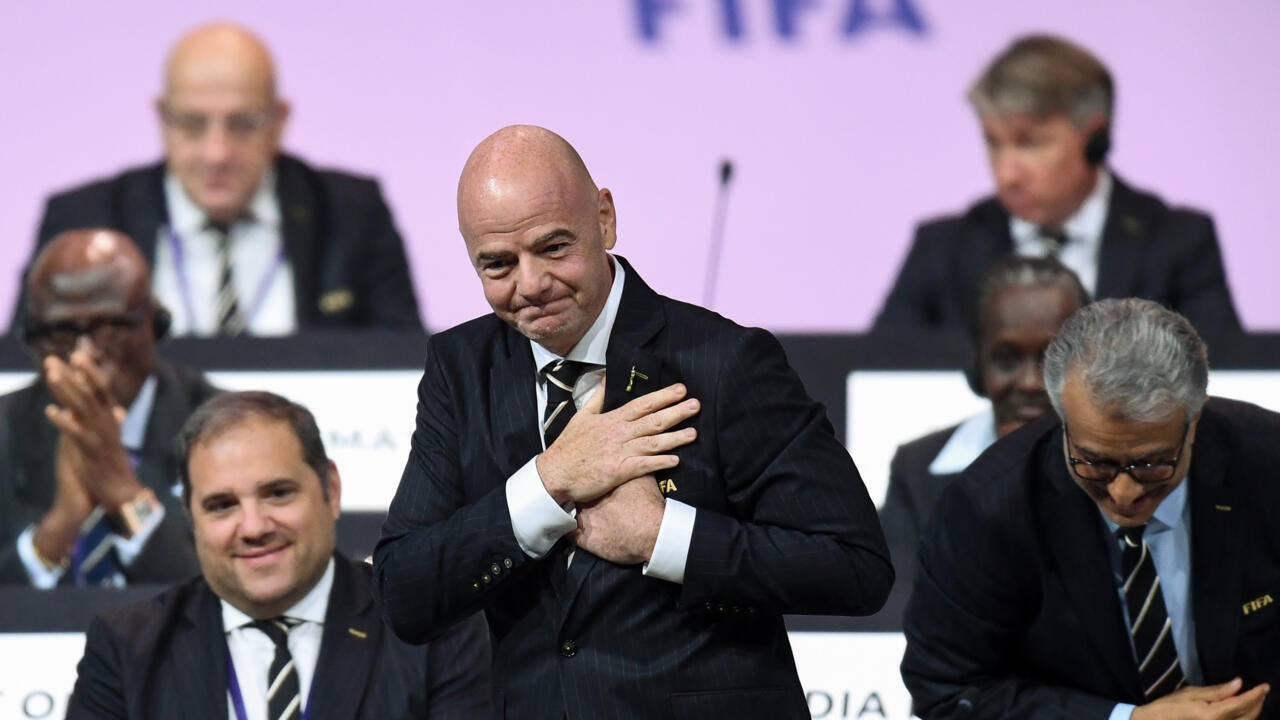
FIFA president Gianni Infantino is fighting for his political survival after UEFA declared he has lost the "confidence" of the football world, RFI reported. The crisis follows his aborted plan to sell a 20% stake in a new World Cup commercial company, FIFA Forward Enterprise, at a $20 billion valuation — a deal anchored by Joshua Kushner's Thrive Eternal investment group that was dropped on July 31 after a coordinated global revolt.
UEFA's 55 member associations voted unanimously to boycott all FIFA competitions if the plan proceeded. Three major confederations — UEFA, CONCACAF, and the Asian Football Confederation — rejected it outright. Now, with two senior FIFA officials resigned and a no-confidence vote looming, analysts say Infantino is "fighting for his political life," according to Market Screener.
A $4.2 Billion Deal Collapsed in Four Days
FIFA officially announced the Forward Enterprise plan on July 28, 2026. The proposal would have spun off FIFA's commercial rights — broadcasting, sponsorship, and ticket sales — into a separate subsidiary. Thrive Eternal, led by Joshua Kushner (younger brother of Jared Kushner), would anchor a $4.2 billion investment for roughly a 20% stake. J.P. Morgan structured the deal.
UEFA fired back immediately, calling it a "shabby, back room, opaque deal," according to Morning Chronicle. By July 30, all 55 UEFA member associations voted unanimously to boycott FIFA competitions. CONCACAF and the AFC followed. On July 31, Infantino withdrew the plan, saying it had "generated divisions... no longer in the interest of the established goal."
Senior FIFA Officials Resign and Break Ranks Publicly
The internal collapse was just as damaging as the external revolt. Senior advisor Carlos Cordeiro — a former U.S. Soccer president — resigned with immediate effect. He wrote that the plan was "a bad deal for FIFA's member associations, a bad deal for football, and a bad deal for the long-term future of the game."
FIFA's own chief operating officer, Kevin Lamour, broke ranks in a public statement. He told the Associated Press the plan was "the project of one person" and accused Infantino of "a lie by omission over many months." Lamour added: "If that means I lose my job, then so be it." Both resignations stripped Infantino of key allies at the worst possible moment.
UEFA Says Sorry Is Not Enough — Leadership Challenge Begins
Withdrawing the plan did not satisfy UEFA. The body released a formal declaration on August 1 stating Infantino has lost their "confidence" and called for a "thorough and fundamental" review of FIFA governance, according to RFI. UEFA president Aleksander Čeferin had previously boycotted the 2026 World Cup final in New York to signal his displeasure with Infantino's leadership style.
UK Prime Minister Andy Burnham called the plan "outrageous" and said Infantino is "the wrong man to lead the organisation." Before the crisis, Infantino held over 200 endorsements for a fourth term. That support has collapsed. Reports indicate UEFA is now vetting rival candidates, with Paris Saint-Germain president Nasser al-Khelaïfi and CONCACAF chief Victor Montagliani named as potential challengers. Under FIFA rules, a coalition of member federations can call an extraordinary congress and force a no-confidence vote — a threshold now seen as mathematically reachable, according to Yahoo News.
Smaller Nations Lost a Financial Lifeline in the Fallout
Not everyone celebrated the deal's collapse. FIFA had offered each member association a $20 million up-front cash payment as a signing incentive, plus projected development grants rising from $8 million to $24 million per cycle through 2039. For over 150 nations in Africa, Asia, and the Pacific, that money represented a rare chance to build training centers and grassroots programs.
Critics of UEFA's stance argue the rejection consolidates European financial control over global football. European clubs generate billions from the Champions League alone, while smaller federations rely almost entirely on FIFA grants to function. The scrapping of Forward Enterprise, while celebrated in London and Zurich, may widen the funding gap that Infantino claimed his plan was designed to close.
Sentiment
Mostly NegativeNEGATIVENEUTRALPOSITIVE
Publishers
41
Articles
100
Reach
141
A
AnonymousAuthor