Pro Wireless Audio Upgrade
DJI Mic Mini 2S Launches with Internal Recording, 32-bit Float, and Multi-Transmitter Support
Anonymous
Key Points
1
32-bit float recording must be enabled in the DJI Mimo app; the feature is disabled by default.
2
Australia-specific pricing shows the Mic Mini 2S transmitter starting around AU$99, roughly double the price of the Mic Mini 2, reflecting the new storage and features.
3
The Mic Mini 2S receiver can connect up to four transmitters at once and is backward compatible with Mic Mini 2 and the original Mic Mini, enabling mixed setups for multi-speaker shoots.
4
Each transmitter includes about 14.5 GB of internal storage (roughly 28 hours at 24-bit) and about 22 hours at 32-bit float; DJI's press materials show two slightly different capacity figures, leading to some confusion about exact runtimes.
5
In addition to AI noise cancellation levels (Basic for indoor, Strong for outdoor), the 2S provides Clipping Control, Loudness Balance, and voice presets such as Regular, Bright, and Rich for tonal shaping.
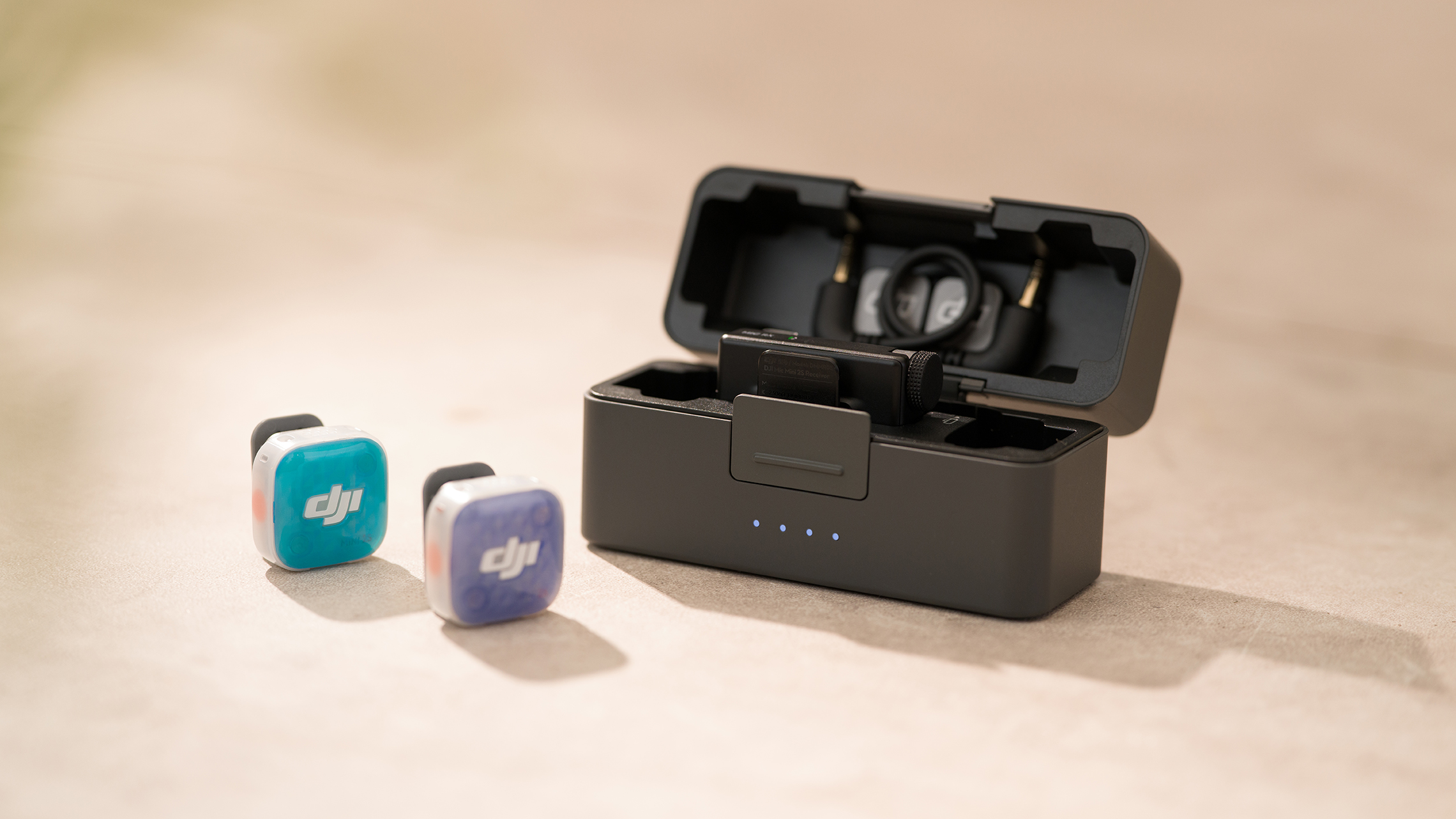
DJI has launched the Mic Mini 2S, the first mic in its compact Mini lineup to include internal recording. Each transmitter holds about 14.5GB of storage — enough for roughly 28 hours of 24-bit audio or 22 hours in 32-bit float mode, according to PetaPixel.
The new model builds directly on the Mic Mini 2 from 2024. It adds storage, expanded multi-transmitter support, and AI noise cancellation. Sound Guys notes the upgrade comes at a higher price, but targets creators who need a reliable backup recording on the go.
32-Bit Float Recording Acts as a Safety Net
The headline feature is 32-bit float internal recording. In plain terms, it captures a much wider range of sound. If someone suddenly shouts or whispers, the recording stays usable. Editors get far more room to fix the audio later without it sounding damaged or distorted.
There is one catch: the feature is off by default. Users must enable it inside the DJI Mimo app before a shoot, according to Gadget Guy. The internal recording also serves as a backup if the wireless signal drops mid-shoot — a common problem on busy or crowded sets.
One Receiver Now Handles Up to Four Transmitters
The Mic Mini 2S receiver can connect to up to four transmitters at once. That is double what many compact systems offer. Better still, it works with older Mic Mini hardware. Creators can mix Mic Mini 2S units with the original Mic Mini or the Mic Mini 2 in a single setup, says PetaPixel.
DJI says the system is built for multi-speaker shoots like podcasts, roundtable discussions, and live events. A charging-case transfer feature can move 30 minutes of 24-bit audio to a connected device in about eight seconds. That makes backing up footage fast and simple between takes.
AI Noise Cancellation and Sound Shaping Tools Included
The 2S ships with two levels of AI noise cancellation. Basic mode targets indoor noise like fans or air conditioning. Strong mode handles louder outdoor environments like wind or street noise. Both run directly on the transmitter, with no extra processing needed.
DJI also added Clipping Control, Loudness Balance, and three voice presets — Regular, Bright, and Rich — for tonal shaping. Sound Guys describes these as useful tools for creators who want a polished sound without post-production work. Together, the features make the 2S a more complete audio solution than its predecessor.
Price Jump Reflects the Gap in Features
The Mic Mini 2S costs significantly more than the Mic Mini 2. In Australia, a single transmitter starts at around AU$99 — roughly double the price of the older model, according to Gadget Guy. Yahoo Tech also flags the price increase as a notable step up for what is still a compact, lightweight device.
DJI's press materials list slightly different runtime figures in some regions, causing minor confusion about exact storage capacity. The general figures — 28 hours at 24-bit and 22 hours at 32-bit float — appear consistently across most coverage. Superbike News confirms the 2S is now available globally as DJI's first Mini wireless mic with full internal recording.
Sentiment
Mostly PositiveNEGATIVENEUTRALPOSITIVE
Publishers
14
Articles
5
Reach
19
A
AnonymousAuthor


