South Asian Academic Partnerships
Research Institutions Sign Major Collaboration Pacts Across South Asia
Anonymous
Key Points
1
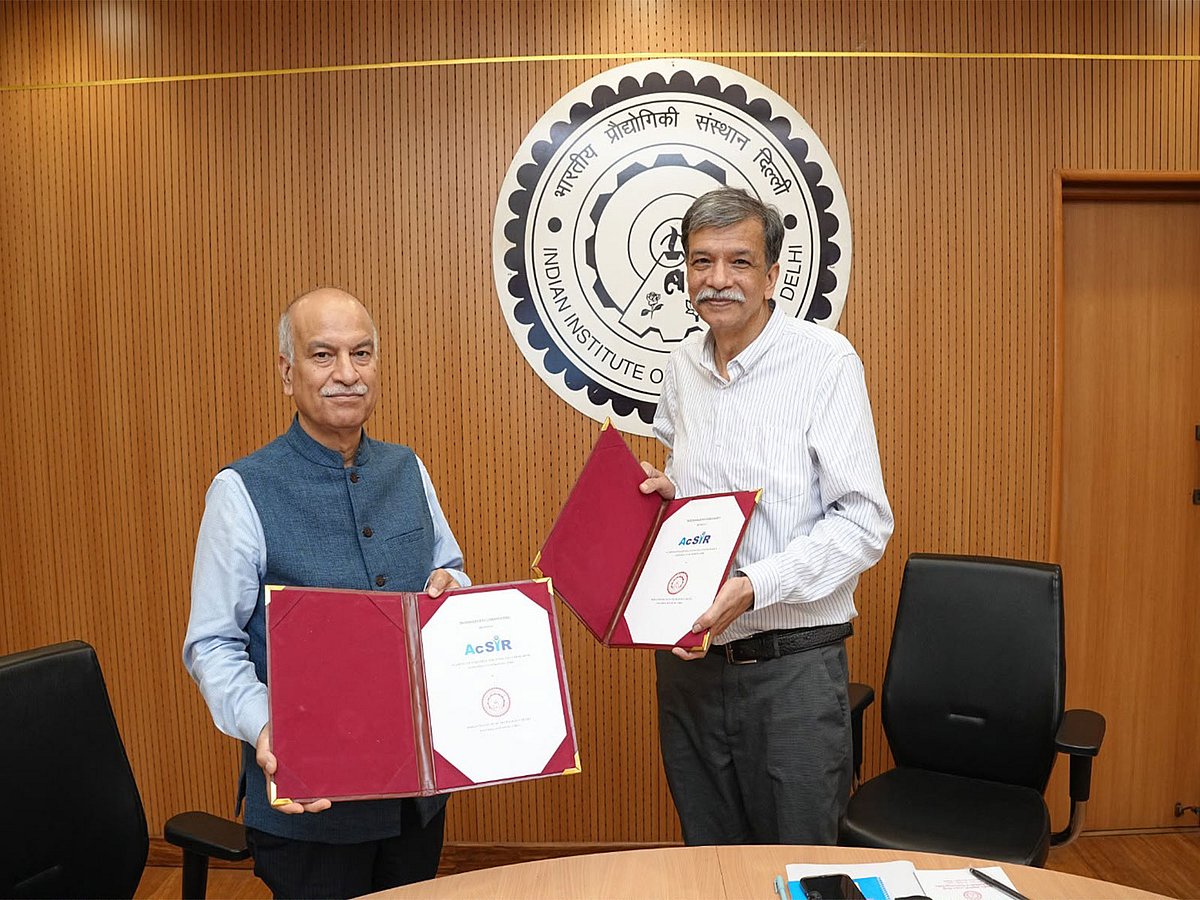
Under the IIT Delhi–AcSIR arrangement, students can take coursework and conduct research at either institution without separate admission or host-institution tuition fees; PhD, MTech and MS(R) students can be jointly supervised, with at least one supervisor from each partner.
2
The Allahabad University–IIT Bombay partnership was announced at a two-day workshop attended by more than 350 students and 50 teachers. FOSSEE’s geospatial programme promotes open-source GIS tools such as QGIS and the use of Indian satellite and earth-observation data.
3
For BITS Pilani–IIT Madras exchanges, students may take courses for credit or audit subject to faculty approval and prerequisites. The host institution waives tuition, and the home institution can recognise exchange credits and grades based on the host’s academic report.
4
At the ISSI–SASSRI signing, participants stressed regional cooperation and specifically called for the revival of the South Asian Association for Regional Cooperation (SAARC).
South Asian research institutions are teaming up in a wave of new partnerships aimed at breaking down academic barriers. Tribune India reports that IIT Delhi and the Academy of Scientific and Innovative Research (AcSIR) have signed a memorandum of understanding to enable joint supervision, student exchanges, and shared research opportunities across partner institutes.
The collaborations extend beyond India's borders. Shiksha notes that similar pacts are emerging across the region, including agreements between Allahabad University and IIT Bombay, BITS Pilani and IIT Madras, and notably between Pakistan's Institute of Strategic Studies (ISSI) and Sri Lanka's South Asian Centre for Strategic Studies (SASSRI).
IIT Delhi and AcSIR Remove Admission Barriers
Under the new IIT Delhi–AcSIR pact, Shiksha explains that students can take courses and conduct research at either institution without needing separate admission or paying host-institution fees. PhD, MTech, and MS(R) students can have supervisors from both institutions, with at least one coming from each partner.
Edexlive reports that the arrangement prioritizes researcher mobility across the IIT Delhi campus and seven AcSIR-affiliated research institutes. Faculty and scholars can also participate in exchanges, creating a unified research ecosystem that blurs institutional boundaries.
Allahabad University Gains Open-Source Software Skills
Allahabad University has partnered with IIT Bombay's FOSSEE programme under a five-year agreement focused on open-source software and geospatial technologies. Times of India reports that the partnership was announced at a two-day workshop attended by more than 350 students and 50 teachers.
The FOSSEE geospatial programme emphasizes practical tools like QGIS, an open-source mapping software. Times of India notes that students will also learn to use Indian satellite data and earth-observation resources, strengthening local technical capacity in geographic information systems.
BITS Pilani and IIT Madras Enable Credit-Bearing Exchanges
BITS Pilani and IIT Madras signed a five-year agreement enabling students to take courses for credit at the partner institution, subject to faculty approval and prerequisites. Best Collegesreports that the host institution waives tuition fees for exchange students.
Best Colleges explains that students' home institutions can recognize both course credits and grades based on the host's official academic report. This framework removes financial and bureaucratic hurdles that typically complicate inter-institutional collaboration.
Pakistan and Sri Lanka Pledge Regional Research Dialogue
Beyond India, Pakistan's Institute of Strategic Studies (ISSI) and Sri Lanka's South Asian Centre for Strategic Studies (SASSRI) have signed an agreement for joint research, policy dialogue, publications, events, and researcher exchanges. The pact signals commitment to strengthening think-tank collaboration across the region.
Shiksha reports that participants at the ISSI–SASSRI signing stressed the need for regional cooperation and specifically called for revival of the South Asian Association for Regional Cooperation (SAARC), which has been stalled for years. These partnerships aim to restore collaborative momentum in South Asia's academic and policy communities.
Sentiment
Mostly PositiveNEGATIVENEUTRALPOSITIVE
Publishers
10
Articles
14
Reach
24
A
AnonymousAuthor


