AI Infrastructure Power Crunch
Surging AI Data Center Demand Exposes Critical Power and Infrastructure Constraints
Anonymous
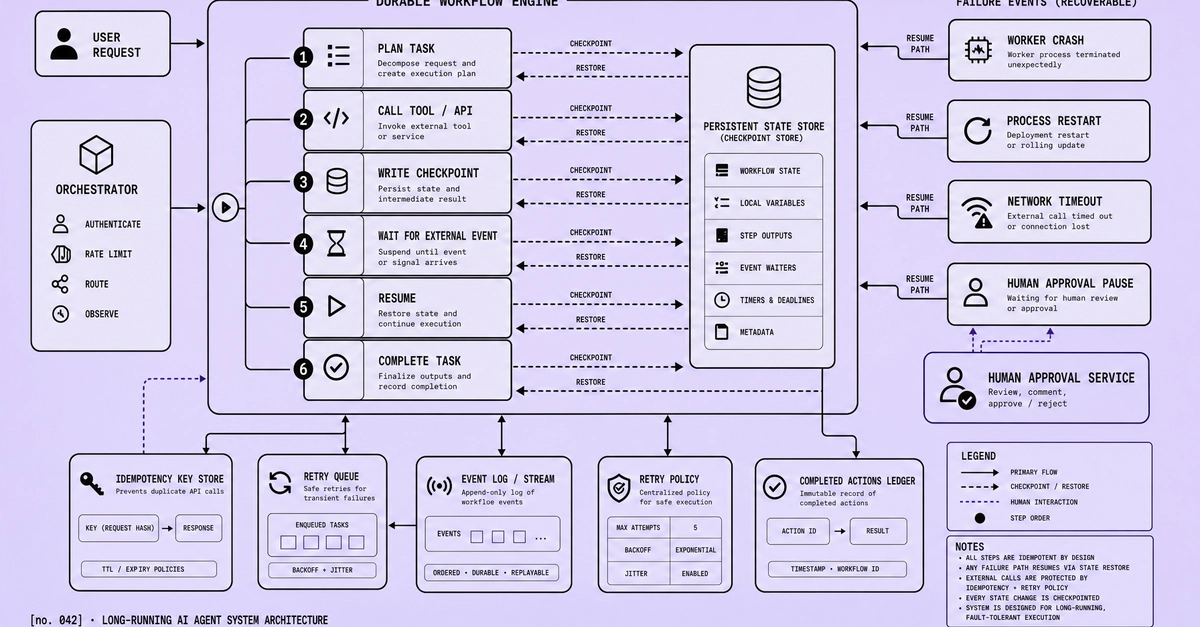
AI adoption is increasing demand for data-center capacity and exposing constraints in power, data throughput and coordination across large computing systems. VNET plans to expand interconnected facilities in major Chinese cities and add services as cloud providers, enterprises and government-backed AI projects drive demand; lessons from Los Alamos National Laboratory point to the need for higher-density power and cooling and coordinated compute and data systems. Data-center power needs are drawing investor interest in suppliers such as Bloom Energy, while one analyst says GE Vernova’s exposure to gas-turbine demand is already reflected in an excessive stock valuation; an industry-summit attendee also cited AI infrastructure investment as a potential source of economic revival for Richland Parish. The open-source project gstack aims to make AI coding agents more reliable through specialized engineering workflows, reviews, browser tools and release controls. Performance engineer Adrian Cockcroft says that despite advances in monitoring and tracing tools, engineers still need to investigate what system metrics fail to reveal.
Key Points
1
VNET expects to build and buy data centers in Shanghai, Beijing, Shenzhen and Guangzhou, and to add managed hosting, cloud and VPN services alongside its core data-center offerings.
2
The Los Alamos infrastructure discussion puts the power-density gap in concrete terms: traditional enterprise racks typically support 5–15 kW, while high-density AI infrastructure can require 40–100 kW per rack, along with upgrades to cooling and electrical distribution.
3
Bloom Energy reported that quarterly revenue rose 166% year over year to nearly $1.1 billion, with product revenue more than tripling; management also raised its guidance, according to the article.
4
The gstack project describes itself as a virtual engineering team of 23 specialists and eight tools, distributed as slash commands in Markdown and released under the MIT license.
5
Adrian Cockcroft said that even when monitoring tools make everything appear normal, a system may still behave poorly—so performance engineers must investigate what the tools are not showing.
Sentiment
Mostly PositiveNEGATIVENEUTRALPOSITIVE
Publishers
23
Articles
4
Reach
27
A
AnonymousAuthor


