Etna Disrupts Sicily Travel
Mount Etna eruption halts Catania airport flights, disrupting Sicily travel
Anonymous
Key Points
1
The eruption produced a very high-altitude ash plume, reaching up to 7,300 metres, and prompted a red aviation warning, with a fresh fissure along the Valle del Leone at about 2,750 metres and lava flows toward Valle del Bove.
2
Rail and ground transport authorities mobilised quickly, with Trenitalia arranging emergency trains including hundreds of extra seats to connect Messina and Palermo, while Sac advised passengers to check Trenitalia updates.
3
Catania Airport handled around 12 million passengers in 2024, underscoring its importance to eastern Sicily’s tourism and travel network.
4
INGV monitoring described a paroxysmal phase with high-amplitude volcanic tremors and a centroid of seismic sources located in the Voragine crater area, indicating evolving magmatic activity.
Mount Etna erupted on August 8, sending a massive ash plume up to 7,300 metres into the sky and forcing authorities to suspend all arrivals at Catania's Vincenzo Bellini Airport, according to Al Jazeera. The affected airspace zone, Sector C1, was closed until 12:00 local time (10:00 GMT), while departures already underway or on the ground were allowed to continue normally.
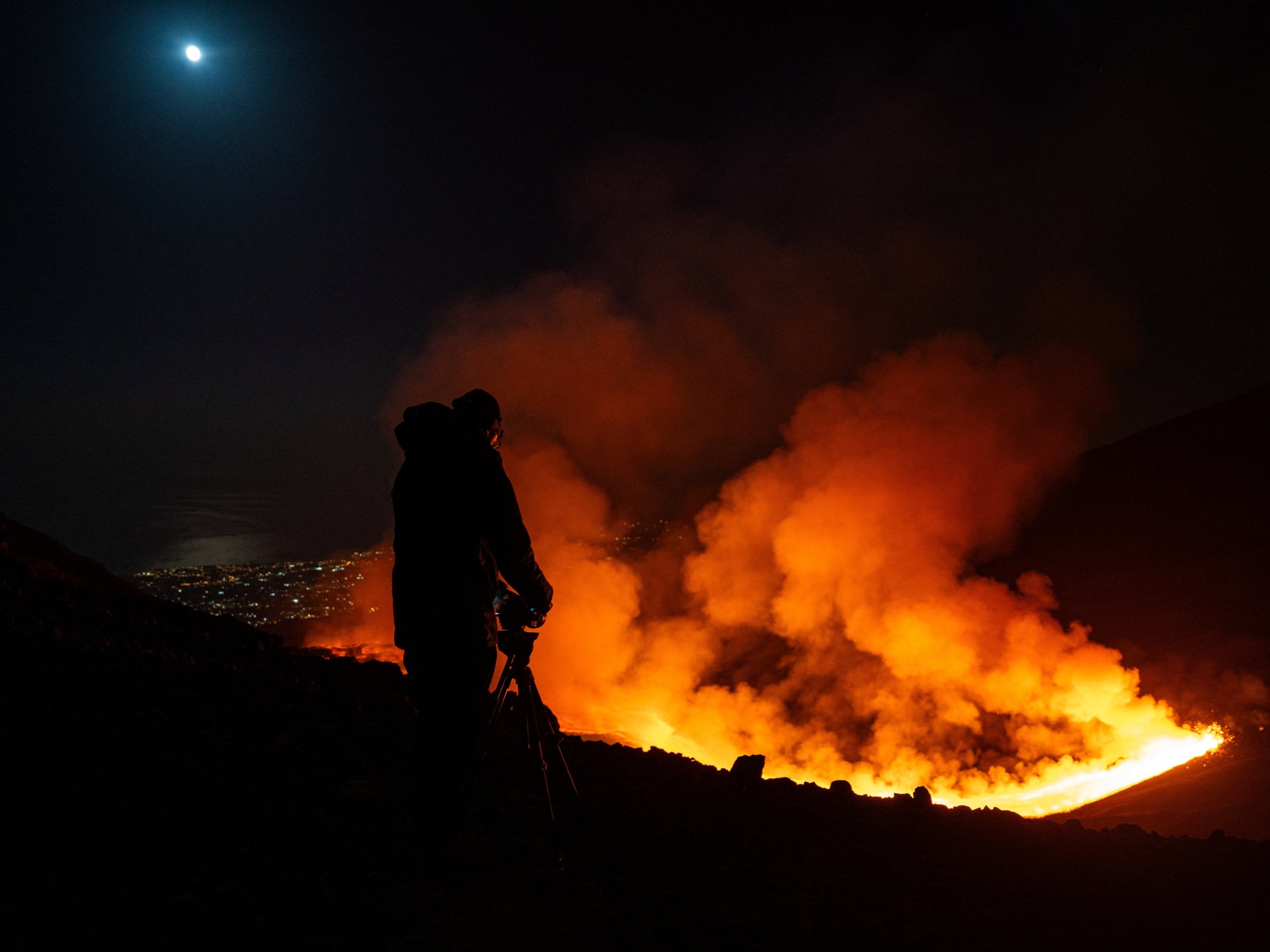
Lava fountains shot hundreds of metres into the air, and a new fissure opened along the Valle del Leone at around 2,750 metres, sending lava flows toward the Valle del Bove, Euro Weekly News reported. Aviation authorities issued a red warning — the highest level — as Europe's tallest active volcano, standing at 3,324 metres, showed no immediate signs of calming.
Red Aviation Warning Shuts Down Catania Arrivals
Italy's aviation authorities closed airspace Sector C1 around Etna after the ash plume climbed to 7,300 metres. All incoming flights were halted until at least noon local time, according to BSS News. The Catania airport, which handled around 12 million passengers in 2024, is a critical hub for eastern Sicily's tourism and travel network.
INGV, Italy's national geophysics institute, described a full paroxysmal phase — a sudden, intense burst of volcanic activity. Scientists tracked high-amplitude volcanic tremors, with their source centred at the Voragine crater. The Voragine is one of Etna's four summit craters and was the origin of the rising ash column, Al Jazeera confirmed.
Airlines Divert Flights as Passengers Scramble for Alternatives
With arrivals blocked, airlines diverted aircraft to other Sicilian airports. Stranded travellers faced a chaotic search for options. Airport operator SAC advised all passengers to check for updates directly with their airlines, Rustourism News reported.
Trenitalia, Italy's national rail service, moved quickly to help. The company arranged emergency trains with hundreds of extra seats to connect Catania with Messina, Palermo, and other destinations. SAC specifically pointed passengers toward Trenitalia updates as the main alternative to air travel during the disruption.
Airspace Reopens but Etna's Threat Lingers
Later on August 8, authorities reopened the restricted southern airspace sector and flight operations resumed, according to Albeu. Travellers were still urged to check their flight status with airlines before heading to the airport. Conditions around active volcanoes can change fast, and Etna has a long history of sudden escalations.
Etna is the most active volcano in Europe and one of the most active in the world. Its eruptions regularly disrupt travel and tourism across eastern Sicily. This latest episode is a sharp reminder of the risks that come with living — and flying — near an unpredictable 3,324-metre volcano, BSS News noted.
Sentiment
Mostly NegativeNEGATIVENEUTRALPOSITIVE
Publishers
12
Articles
25
Reach
37
Topics
A
AnonymousAuthor


