Prison Overcrowding Measures
Hundreds of prisoners released early across England and Wales to ease severe overcrowding
Anonymous
Key Points
1
The prison population stood at 87,499 as of Monday, or 98.2% of capacity, according to Ministry of Justice data; prisons were projected to reach capacity within months.
2
The releases are scheduled in 10 waves, with the final wave planned for June 2027; some prisoners serving fixed sentences of more than 12 years are expected to leave in later waves.
3
Domestic abuse survivor Helen Duncanson said she “didn’t sleep at night” after learning her ex-partner, convicted of assault and controlling and coercive behaviour, would be released early.
4
The BBC reported that an earlier early-release programme introduced by the Conservatives had freed more than 10,000 prisoners.
5
At Brixton, David Elliott said he intended to return to stealing after release: “I’m gonna go stealing again… whatever I get.”
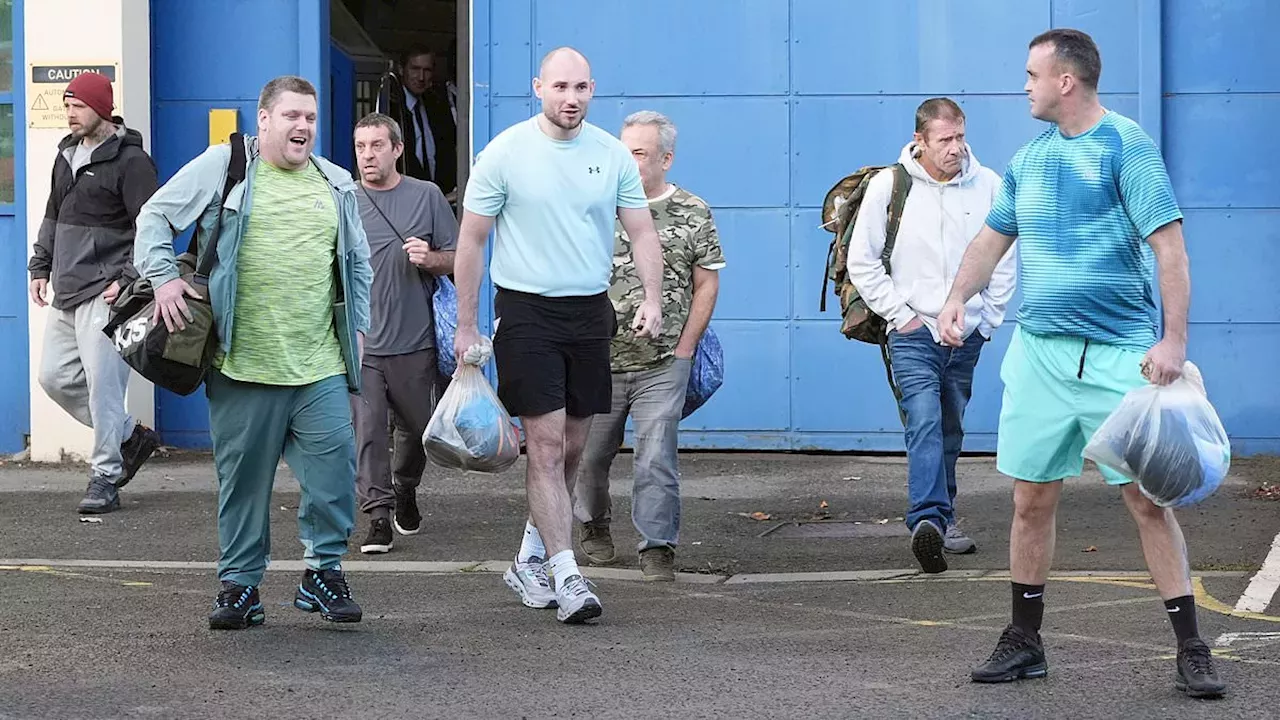
England and Wales released about 700 prisoners early on October 1 under an emergency scheme to prevent jails from running out of space. According to Ministry of Justice data, prisons were at 98.2% capacity with 87,499 inmates. The government plans 4,500 total releases across 10 waves through June 2027, with eligible prisoners serving sentences up to 19 months freed immediately.
The releases have sparked fierce backlash from victims and opposition politicians. Domestic abuse survivors fear for their safety after abusers were freed, while Justice Secretary Alex Norris acknowledged months of uncertainty but defended the measure as necessary to prevent the justice system from collapsing. Probation services and unions worry they cannot adequately supervise thousands of newly released offenders.
A Prison System Near Breaking Point
The early-release program was triggered by severe overcrowding. Ministry of Justice data shows prisons hit 98.2% capacity before October 1, with 87,499 inmates packed into facilities designed for fewer people. Without emergency action, the prison system would have run out of space within months, potentially forcing police to stop making arrests.
Treasury Minister James Murray framed the dilemma starkly: "What would make the public less safe is if we had no prison capacity in which to put people who are arrested, suspected of crimes, today." The government is building 14,000 new prison places by 2031, but that takes years. Early release was presented as an unavoidable short-term fix.
Victims Fear Released Abusers Returning Home
Domestic abuse survivor Helen Duncanson said she "didn't sleep at night" after learning her ex-partner—convicted of assault, controlling, and coercive behavior—qualified for early release. Her story reflects deep anxiety among abuse survivors and advocacy groups who say the government failed to notify victims properly before prisoners walked free.
Over 18,000 violent and sexual offenders are excluded from the scheme under revised 2026 regulations. However, released prisoners include those convicted of theft, fraud, and domestic abuse. Opposition politicians and the Victims' Commissioner criticized the government for insufficient victim safeguards and questioned whether probation services could track so many newly released offenders.
Concerns About Probation Capacity and Rehabilitation
Released offenders will be placed under probation supervision with electronic ankle monitors and restriction zones. But unions and organizations like Skills for Justice warned that probation teams are already severely overburdened and lack the staff to effectively monitor thousands of additional releases.
Some released prisoners expressed little confidence they would stay out of trouble. At HMP Brixton, prisoner David Elliott said upon release: "I'm gonna go stealing again… whatever I get." His blunt statement underscored critics' fears that early release without adequate rehabilitation support will simply cycle offenders back into crime.
A Staggered Release Plan Through Mid-2027
The October 1 release marked Wave 1 of 10 planned phases. About 4,500 prisoners total will walk free by June 2027, with some serving fixed sentences of more than 12 years eligible in later waves. The Sentencing Act 2026 lowered release points to one-third of sentences for eligible non-excluded offenses, a dramatic shift from the previous 50% threshold.
This follows an earlier Conservative-era early-release program that freed over 10,000 prisoners. The current scheme represents an even more aggressive emergency intervention, implemented under Justice Secretary Alex Norris after a public pause and policy revision in summer 2026. The government acknowledged the disruption but maintained the measure was unavoidable.
Sentiment
Mostly NegativeNEGATIVENEUTRALPOSITIVE
Publishers
28
Articles
77
Reach
105
Topics
A
AnonymousAuthor


