Kauaʻi Allows Visits as Storm Recovery Continues
Kauaʻi Allows Visits as Storm Recovery Continues
Anonymous
Key Points
1
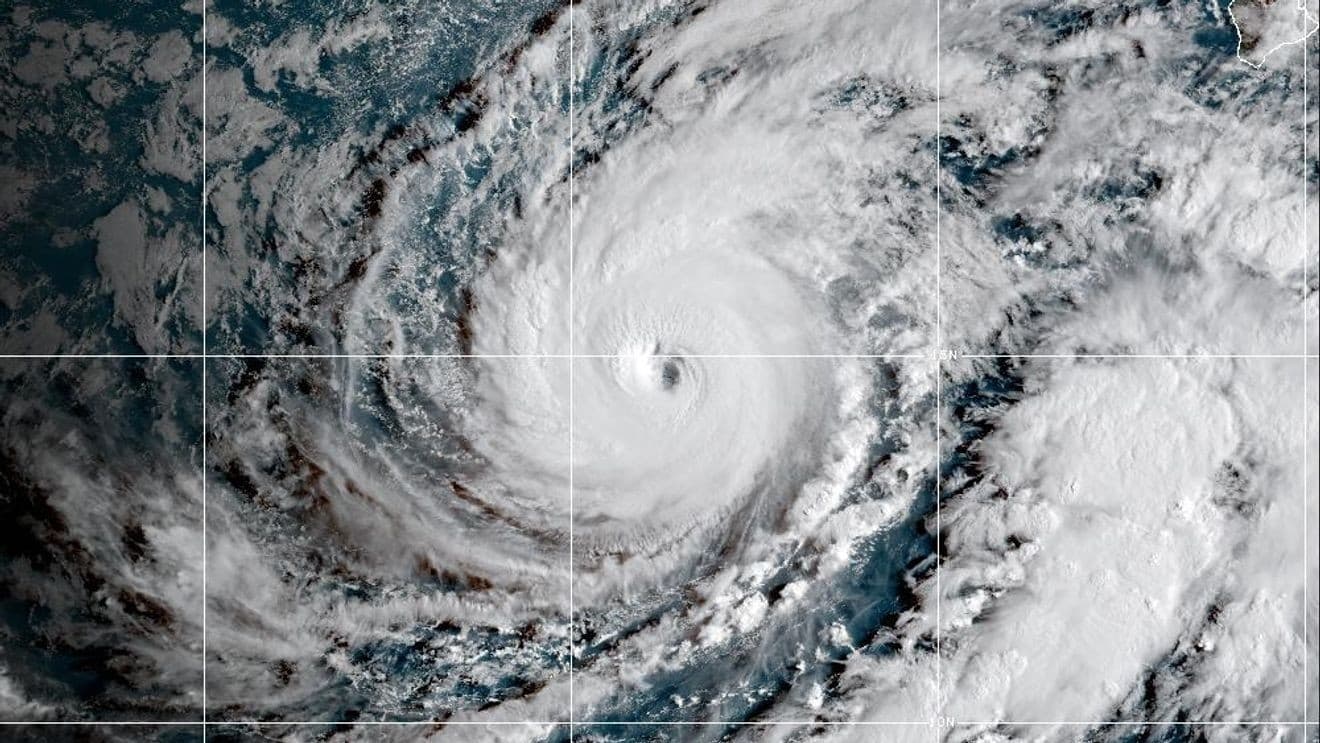
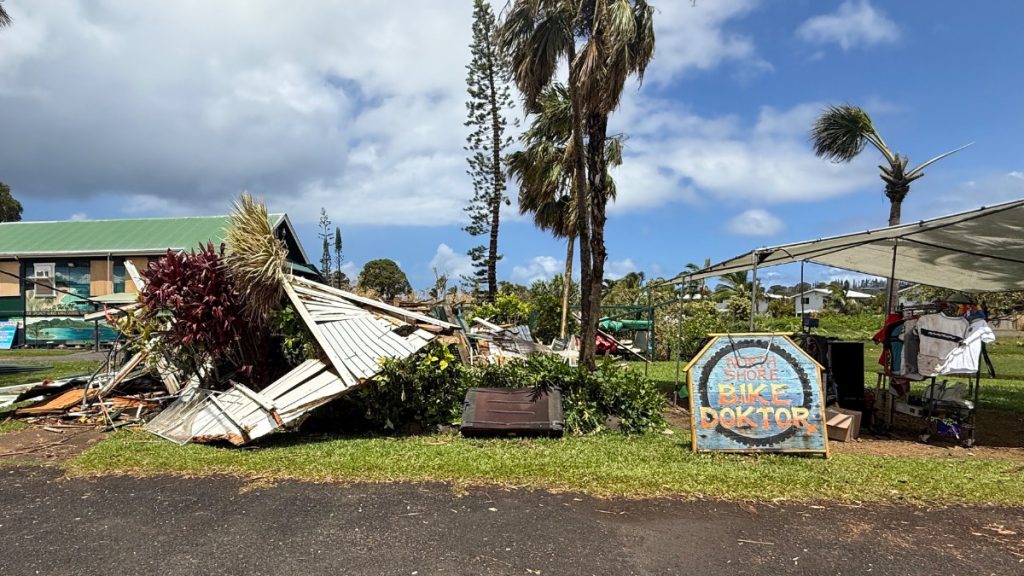
Hurricane Lowell brought more than 20 inches of rain to parts of Kauaʻi. County officials reported that 10 homes were destroyed, 67 sustained major damage and nearly 680 residents had reported storm damage by Wednesday.
2
Līhuʻe Airport briefly operated on backup generators during the islandwide power outage before returning to full operations.
3
Recovery restrictions have included closures of county and state parks, road hazards from flooding and downed trees, and an islandwide brown-water advisory warning of possible sewage, chemical and debris contamination.
4
Some hotels have offered different responses to the disruption: Koʻa Kea Resort in Poʻipū offered refunds to guests who canceled, while Sheraton Kauaʻi Coconut Beach Resort temporarily closed because it was still awaiting power.
5
Community organizer Meghann Kealoha Matsuda said visitors who do come during the recovery should help rebuild, while Gov. Josh Green said the state would invest in advertising to redirect tourism and later bring travelers back because tourism revenue helps fund essential recovery needs such as utility poles and school reopenings.
Kauaʻi is opening to visitors again after Hurricane Lowell devastated the island with over 20 inches of rain in some areas. KITV reported that 10 homes were destroyed and 67 sustained major damage, but power has been restored to most areas and Līhuʻe Airport is back to full operations. Officials now say travelers with confirmed accommodations can visit, but should stay flexible as recovery continues and avoid the North Shore entirely.
The island's government is balancing two competing needs: giving residents space to rebuild while keeping tourism revenue flowing, since visitors generate roughly one-third of Kauaʻi's economy. Hawaii News Now noted that Mayor Derek Kawakami has warned the North Shore remains an 'active disaster zone' with serious safety risks. Gov. Josh Green said the state will invest in advertising to bring tourists back once recovery allows, because tourism money funds critical rebuilding like utility poles and school reopenings.
Nearly 700 Residents Report Storm Damage
Hurricane Lowell hit Kauaʻi hard in late September with devastating rainfall and widespread flooding. By Wednesday, Kauai Now News reported that nearly 680 residents had filed storm damage reports. The hurricane destroyed 10 homes outright and caused major damage to 67 others. Power outages initially affected about 90% of the island, forcing Līhuʻe Airport to run on backup generators before full power returned.
North Shore Remains Too Dangerous for Visitors
The North Shore is off-limits to tourists as emergency crews work to clear debris and restore basic services. Hawaii News Now reported that Mayor Kawakami called it an 'active disaster zone' with significant safety hazards. Road closures, downed trees, and unstable infrastructure make the area hazardous for visitors exploring damaged neighborhoods. County and state parks also remain closed, and a brown-water advisory warns of possible sewage, chemical, and debris contamination.
Hotels Face Mixed Decisions on Reopening
Tourism businesses are reopening at different speeds depending on damage and power restoration. SF Chronicle noted that some hotels are welcoming guests with flexible policies, while others temporarily closed because power wasn't restored yet. Koʻa Kea Resort in Poʻipū offered refunds to canceled guests, while Sheraton Kauaʻi Coconut Beach Resort shut down to wait for electricity. Kauai Now News reported that some businesses may reopen within weeks, while others face longer rebuilds.
Tourism Revenue Is Critical to Recovery Funding
Tourism isn't just about business on Kauaʻi — it's how the island funds essential services. SF Chronicle reported that officials encourage travelers with confirmed plans to visit if flexible about disruptions. Community organizer Meghann Kealoha Matsuda said visitors should help rebuild the community while they're here. Gov. Green emphasized that tourism revenue is needed now to pay for utility poles, road repairs, and reopening schools.
Sentiment
Mostly NegativeNEGATIVENEUTRALPOSITIVE
Publishers
15
Articles
5
Reach
20
Topics
A
AnonymousAuthor