Reviving African mother tongues
African youth and diaspora communities revive indigenous mother tongues through digital platforms.
Anonymous
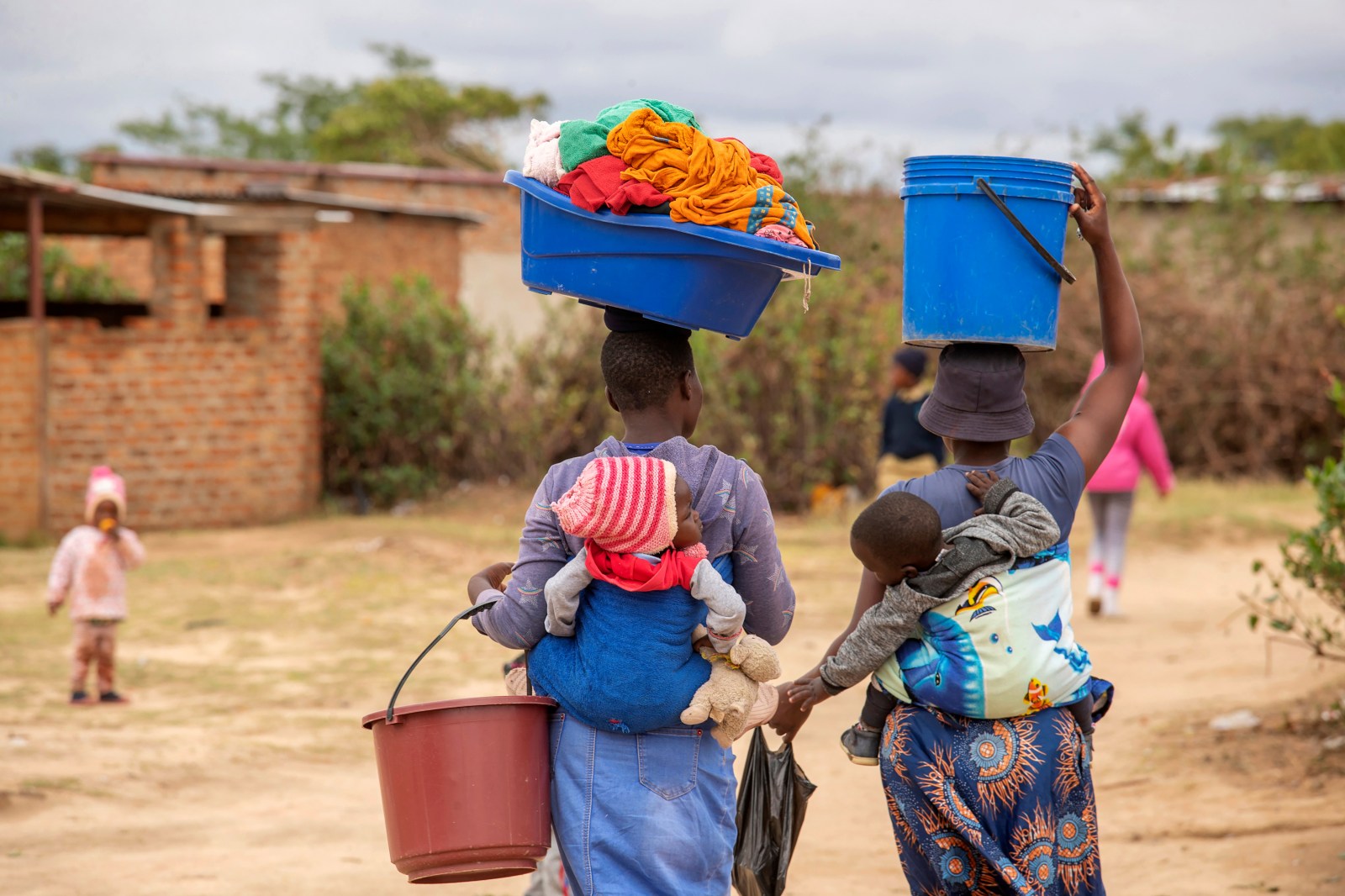
Africa's mother tongues are experiencing a resurgence as young people reconnect with their roots and relatives across continents. AP News reports that the revival is driven by second- and third-generation Africans in the diaspora who now find it easier to learn their heritage languages through social media, online classes, and entertainment platforms. Africa is home to between 1,500 and 3,000 languages, yet English remains the dominant language for education in most countries.
This linguistic awakening challenges decades of colonial marginalization that treated African languages as secondary to European ones. The Independent notes that the trend reflects a broader movement among diaspora communities seeking to maintain cultural ties with older relatives who still speak indigenous languages. Digital connectivity has made this cultural bridge possible in ways that were unimaginable just a decade ago.
Online Platforms Making African Languages Accessible
Entrepreneurs are building businesses around this growing demand. Swok News reports that diaspora communities in Canada and beyond are seeking ways to connect with relatives through language learning. Shungu Chidovi, a Zimbabwean tutor, created ZimbOriginal, an online platform that teaches Shona through storytelling, book clubs, and peer exchanges. The platform now has about two dozen learners spread across Zimbabwe, Canada, Australia, South Africa, Ireland, and Scotland.
ZimbOriginal's approach makes language learning feel less like a classroom and more like cultural connection. The buddy-pairing exchanges and community book clubs create real relationships between learners and native speakers. This model is proving effective for young people who want to speak with grandparents and explore their family heritage in meaningful ways.
African Union Elevates Kiswahili on the Global Stage
Institutional support is amplifying the language revival movement. Newsday reports that the African Union made a landmark decision in 2022 to adopt Kiswahili as an official working language. This recognition raises Kiswahili's international profile and signals that African languages deserve a place at global decision-making tables. The move legitimizes mother-tongue education and cultural pride across the continent.
The AU's action reflects a shift in how African nations view their linguistic heritage. Rather than treating indigenous languages as relics of the past, leaders now see them as vital assets for cultural continuity and economic opportunity. Kiswahili, spoken by millions across East Africa, is becoming a symbol of this broader linguistic renaissance.
Digital Divide Still Limits African Language Growth
Despite this momentum, significant barriers remain. Yahoo News notes that just 10 languages dominate the internet ecosystem worldwide, while fewer than 2% of African languages have meaningful online presence. This digital divide means most African speakers cannot easily access content, apps, or resources in their native languages. Without digital infrastructure, even revived languages struggle to gain traction among younger generations.
Creating online content and digital tools requires investment and technical expertise. Most African languages lack the funding, platforms, and developer communities needed to thrive online. Until these languages gain stronger digital footholds, their growth will remain limited mostly to community spaces and diaspora networks. The gap between cultural interest and technological access remains a major hurdle.
Sentiment
NeutralNEGATIVENEUTRALPOSITIVE
Publishers
15
Articles
14
Reach
15
Topics
A
AnonymousAuthor


