Google Nuclear Funding Deal
Google Agrees to Fund Georgia Nuclear Upgrades to Meet Growing Clean Energy Demand
Anonymous
Key Points
1
Georgia Power said the proposal is intended to align with its “Customer Protection Pledge,” while improving grid reliability and resiliency. Aaron Mitchell, the company’s senior vice president of Strategic Growth, said large-customer growth can benefit all electric customers through the program.
2
The proposed agreement was filed in Georgia Public Service Commission Dockets 44280 and 56002, alongside the proposed Nuclear Uprate-1 tariff and the request for approval of the Hatch uprates.
3
The extended uprates would allow the reactors to operate at a higher licensed thermal-power level while continuing to use the existing fuel design and plant infrastructure, rather than requiring entirely new reactors or fuel systems.
4
The roughly 96 megawatts of added capacity is small compared with Georgia Power’s broader expansion plans: the utility has proposed adding about 10 gigawatts over the next five years, making the uprates less than 1% of that planned growth.
5
The arrangement is primarily a financing and cost-allocation mechanism rather than a major capacity expansion: Google would fund the reactor modifications through the tariff in exchange for the clean-energy attributes of the incremental output.
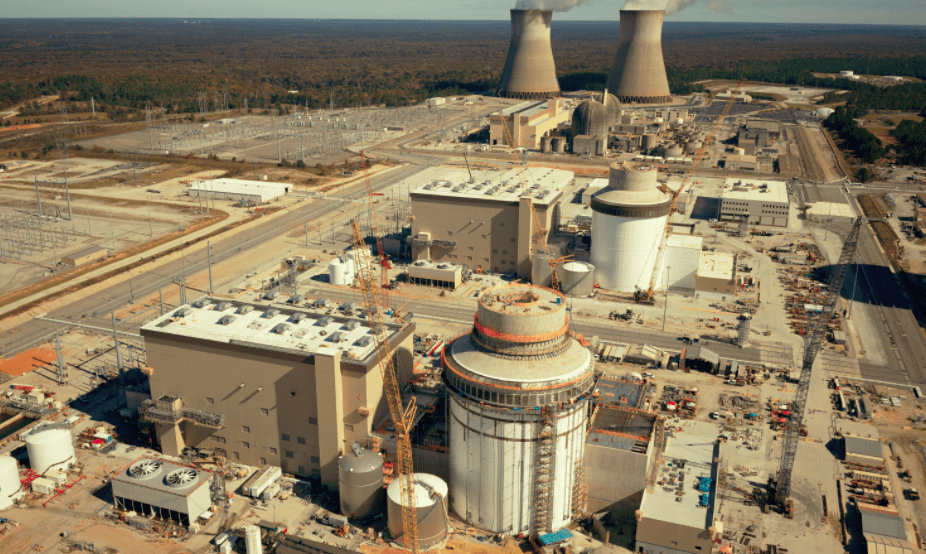
Google will help fund upgrades at Georgia Power's Vogtle and Hatch nuclear plants, adding roughly 96 megawatts of low-carbon electricity to power its growing data centers. Yahoo Finance reported that under a proposed Nuclear Uprate tariff, Google would subscribe to power from the upgrades and receive zero-emission credits tied to the additional nuclear generation. The deal could deliver approximately $900 million in benefits to all customers over the plants' operating lives while keeping nonparticipating ratepayers shielded from incremental costs.
The arrangement still needs approval from the Georgia Public Service Commission. Power Magazine noted that Georgia Power positioned the agreement as part of its "Customer Protection Pledge," designed to improve grid reliability while supporting large-customer growth that can benefit all electric customers.
How the Nuclear Uprate Works
Extended uprates let reactors operate at higher power levels without new fuel designs or plant infrastructure. Power Magazine explained that the Hatch units would receive extended uprates, while similar work at Vogtle units has already won regulatory approval. Google's subscription model funds the reactor modifications and receives the clean-energy attributes of the extra output, making it a financing arrangement more than a major capacity expansion.
Small Addition to Georgia Power's Broader Expansion
The 96-megawatt boost is modest compared to Georgia Power's larger plans. The utility has proposed adding roughly 10 gigawatts of capacity over the next five years, making these uprates less than 1% of planned growth. Oil Price reported that Google and Georgia Power agreed to support the uprates as part of the company's strategy to meet soaring electricity demand from data-center expansion.
Why Google Needs Zero-Carbon Power for Data Centers
Tech companies are racing to secure reliable, clean electricity for energy-hungry data centers that power artificial intelligence and cloud services. Google's deal taps nuclear power—one of the few sources that runs 24/7 without carbon emissions. By subscribing to the uprates' output and claiming zero-emission credits, Google locks in clean power while Georgia Power funds upgrades that benefit the broader customer base.
Regulatory Approval Still Pending
The proposal was filed in Georgia Public Service Commission dockets 44280 and 56002 alongside the Nuclear Uprate-1 tariff request and approval for Hatch uprates. Power Magazine noted that the agreement requires GPSC sign-off before moving forward. If approved, the deal would represent one of the first major corporate-funded nuclear-uprate arrangements in the United States.
Sentiment
Mostly PositiveNEGATIVENEUTRALPOSITIVE
Publishers
32
Articles
126
Reach
158
A
AnonymousAuthor


