U.S., Australia Plan Sweeping Immigration Changes
U.S., Australia Plan Sweeping Immigration Changes
Anonymous
Key Points
1
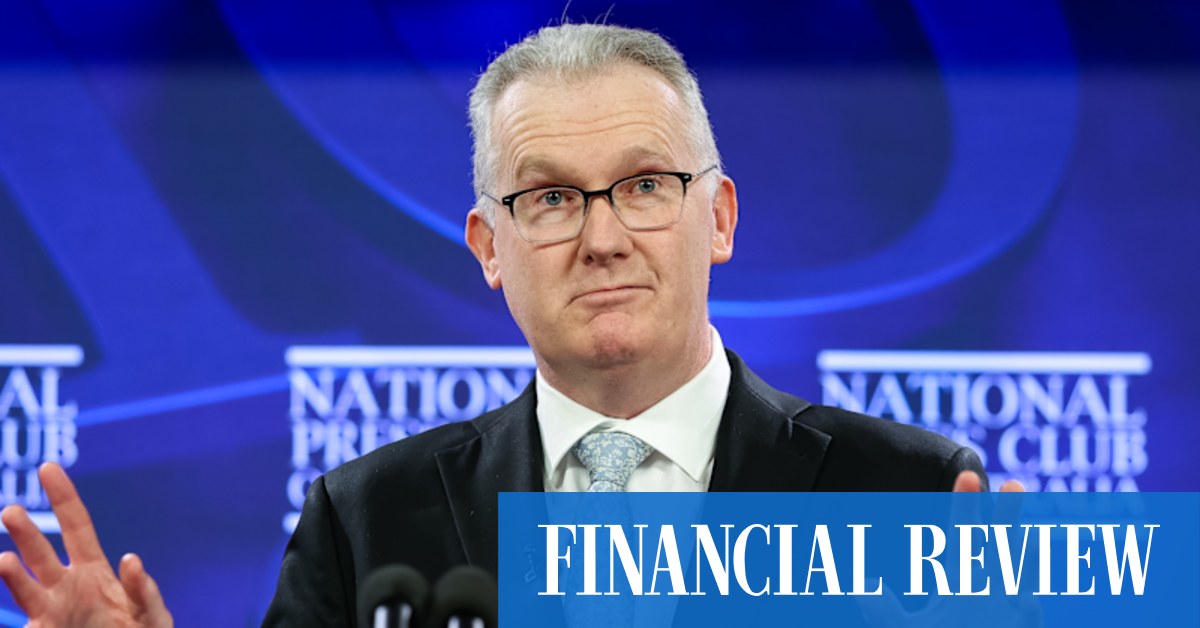
Australia’s net overseas migration had already fallen to 292,100 in the year to March, according to official data released on September 17. Home Affairs Minister Tony Burke said migrants were not responsible for the housing shortage, arguing that immigration needed to “soften enough that housing has a chance to catch up.”
2
The Australian measures would limit international students’ ability to bring family members or switch courses to prolong their stay, although families already in Australia would not be affected. Working holidaymakers seeking second- or third-year visas would enter a ballot, with 5,000 places available for third-year visas; new visitor visas would also include “no further stay” conditions.
3
Under the revised U.S. public-charge guidance, USCIS will assess applications according to the filing date rather than the date of adjudication, and older versions of Form I-485 will no longer be accepted after the change takes effect.
4
The blocked U.S. duration-of-status proposal could have forced people in programs lasting more than four years—particularly Ph.D. students—to file visa extensions after reaching the four-year limit. The federal injunction prevented that requirement from taking effect.
5
Immigration attorney Carolina Rondón said frequent policy changes and court challenges have made it difficult for lawyers to advise clients, saying that officials sometimes provide insufficient notice for attorneys to apply new rules to pending applications.
Australia and the United States are moving fast to overhaul immigration rules in ways that will reshape visa pathways for millions. Australian Broadcasting Corporation reported that Australia plans to slash net migration to 225,000 by 2027–28, targeting international students and working holidaymakers. Meanwhile, the Department of Homeland Security has proposed eliminating grace periods for visa workers after job loss, and USCIS will apply stricter income and benefit rules starting September 18 — changes that could hit Indian applicants particularly hard, with The Hans India citing surveys showing 81% of Indian students now plan to return home rather than seek permanent migration.
Australia's net migration had already fallen to 292,100 in the year to March, according to official data. Home Affairs Minister Tony Burke said migrants were not to blame for housing shortages. Instead, he argued immigration needed to "soften enough that housing has a chance to catch up."
Australia Tightens Student and Working-Holiday Visa Rules
Australia will restrict international students' ability to bring family members or switch courses to extend their stay. Existing families already in the country will not be affected. Head Topics reported that working holidaymakers seeking second or third-year visas will now enter a ballot, with only 5,000 places available for third-year visas.
New visitor visas will include "no further stay" conditions. The Australian government also plans to add compliance officers and increase detention capacity to enforce overstayer rules more aggressively. The strategy aims to prioritize migrants with construction and housing skills to address the nation's building shortage.
U.S. Tightens Visa Worker Protections and Grace Period Rules
The Department of Homeland Security has proposed eliminating the 60-day grace period that currently allows H-1B, L-1, and O-1 visa holders to find new jobs after layoffs or resignations. This change would force workers to leave the country immediately if they lose employment, affecting hundreds of thousands of visa holders in specialty occupations.
The Labor Department is simultaneously considering an overhaul of the PERM labor-certification process, which determines whether U.S. employers can hire foreign workers. The goal is to strengthen recruitment requirements and add protections for American workers by requiring employers to make more aggressive efforts to hire domestically first.
Stricter Public-Charge Test Takes Effect September 18
USCIS will apply broader "public charge" rules to green-card applications filed from September 18 onwards. The Hans India explained that officials will now assess factors including age, health, family situation, finances, education, skills, employment prospects, and use of government benefits. Certain assistance like SNAP, Medicaid, and housing aid may count against applicants but won't automatically trigger denial.
Applications filed before September 18 will generally remain under older, less strict rules. The United Indian reported the change is particularly significant for Indian employment-based applicants, who already face long green-card backlogs due to country-based visa caps that limit how many can get approved per year.
Court Blocks Limits on International Student Status Duration
A federal judge has blocked a separate proposed rule that would have limited how long international students, researchers, professors, and foreign journalists could stay in the U.S. The rule would have forced people in programs lasting more than four years — particularly Ph.D. students — to file visa extensions once they hit the four-year mark. The injunction prevented it from taking effect as planned.
Immigration attorney Carolina Rondón warned that the constant barrage of policy changes and court battles has made it extremely difficult to advise clients. She said officials often provide insufficient notice for attorneys to apply new rules to applications that are already pending, leaving visa holders in legal limbo.
Sentiment
Mostly NegativeNEGATIVENEUTRALPOSITIVE
Publishers
31
Articles
19
Reach
50
A
AnonymousAuthor