Destination Fabric Stores
Independent fabric shops across five states draw crafters with unique materials and expert guidance.
Anonymous
Key Points
1
Connecticut's Americana Fabrics traces its history to the mid-1970s, when David Taylor opened his first fabric store after working as a buyer for Ames Department Stores; the company says shoppers travel from across the country, with some planning New England trips around a visit.
2
The Georgia upholstery showroom, operating since 1960, also offers upholstery services, custom curtains and interior-design help, allowing customers to choose fabric and have the work handled in one place.
3
The Northern California shop’s Japanese textile section features unusual prints and soft double gauze, often in limited runs; its designer deadstock is sourced from textile markets in Los Angeles, New York City and Europe, keeping surplus fabric in use.
4
Bay Quilts’ textile gallery can serve as a practical source of design learning: visitors can study stitching, layout and color choices up close, and apply those ideas to fabrics in the shop.
5
The Pennsylvania profile emphasizes that sewing supplies beyond fabric matter: sharp tools, dependable thread and useful notions can prevent project problems, and staff guidance may point shoppers to a small tool that solves a stubborn issue.
Independent fabric shops across five states are thriving as destinations for crafters seeking hands-on browsing, expert guidance, and materials impossible to find online. DecorHint reports that these stores offer everything from quilting cottons and upholstery fabrics to vintage finds and designer deadstock, creating communities where shoppers travel hundreds of miles to visit. Many shops have operated for decades, building loyal followings by pairing retail with personalized service—helping customers solve project problems and discover inspiration that keeps them coming back.
Connecticut's Americana Fabrics Draws National Following
Americana Fabrics in Connecticut traces its roots to the mid-1970s, when founder David Taylor opened his first store after working as a buyer for Ames Department Stores. DecorHint notes that the shop has become so popular that customers plan New England road trips specifically to visit. The store stocks designer fabrics and wallpapers far beyond typical craft-store inventory, making it a destination for serious sewers and designers across the country.
Georgia Upholstery Showroom Offers One-Stop Solutions
An upholstery showroom in Georgia has operated since 1960, offering customers far more than fabric alone. DecorHint explains that the shop provides upholstery services, custom curtains, and interior-design guidance all in one location. Shoppers can select a fabric and have the completed work handled by skilled professionals, eliminating the need to visit multiple vendors for a single project.
Northern California Shop Curates Specialty Textiles and Designer Deadstock
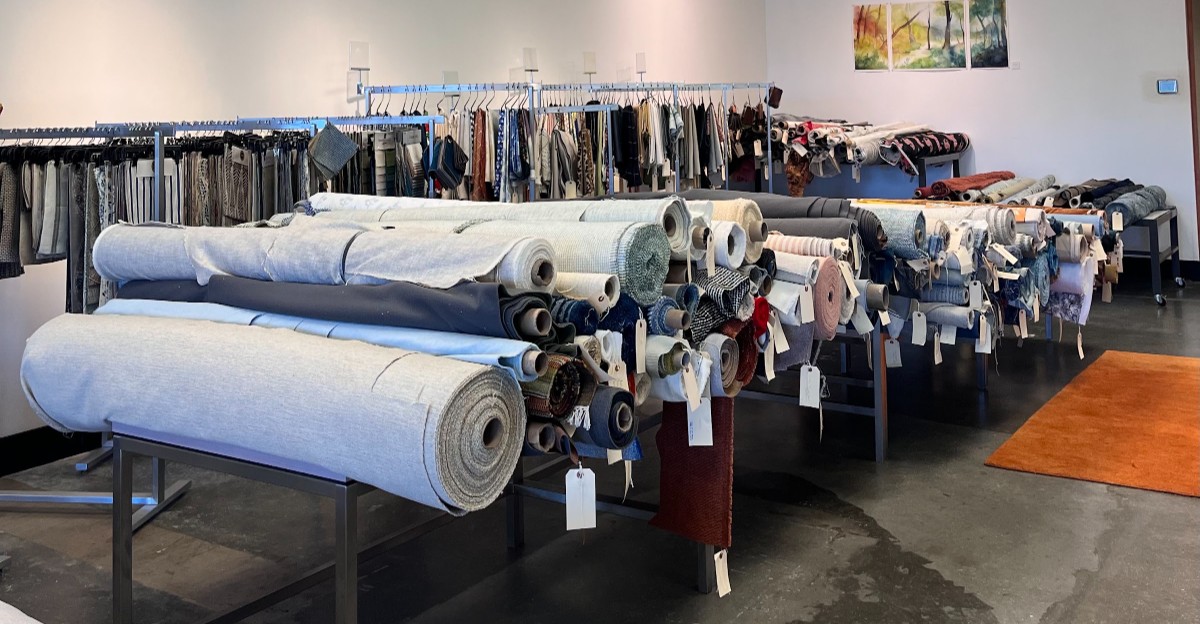
A Northern California fabric store has built its reputation by sourcing unusual Japanese textiles featuring limited-run prints and soft double gauze alongside designer deadstock from markets in Los Angeles, New York City, and Europe. DecorHint highlights how these selections keep surplus fabric in use while giving customers access to materials they cannot find anywhere else. The shop's approach lets crafters discover unique options before starting a project.
The shop also operates a textile gallery featuring finished pieces that teach visitors about stitching, layout, and color choices. EverAfterInTheWoods notes that gallery visitors can study these techniques up close and apply what they learn to fabrics available in the shop itself. This blend of retail and inspiration transforms the space into a creative learning hub, not just a place to buy supplies.
Pennsylvania Shops Emphasize Tools and Notions Beyond Fabric
Pennsylvania's small-town fabric shops remind customers that sewing success depends on more than just fabric choice. EverAfterInTheWoods stresses that sharp tools, dependable thread, and useful notions prevent project problems before they start. Staff guidance often points shoppers toward a small, overlooked tool that solves a stubborn issue—a personal touch no online retailer can replicate.
Sentiment
Mostly NegativeNEGATIVENEUTRALPOSITIVE
Publishers
15
Articles
4
Reach
19
A
AnonymousAuthor