Umar Khalid Film Flagged
CBFC Flags Proposed Student Screening of Umar Khalid Documentary at IIIT-Hyderabad
Anonymous

Key Points
1
The proposed IIIT-Hyderabad screening was scheduled for 8 p.m. on Friday, September 18, at the institute’s KRB Auditorium.
2
The screening invitation described the event as marking Political Prisoners’ Day and the death anniversary of revolutionary Jatindra Nath Das, who died in Lahore jail in 1929 after a prolonged hunger strike.
3
The CBFC operates under the Union Ministry of Information and Broadcasting, the ministry responsible for the certification board.
4
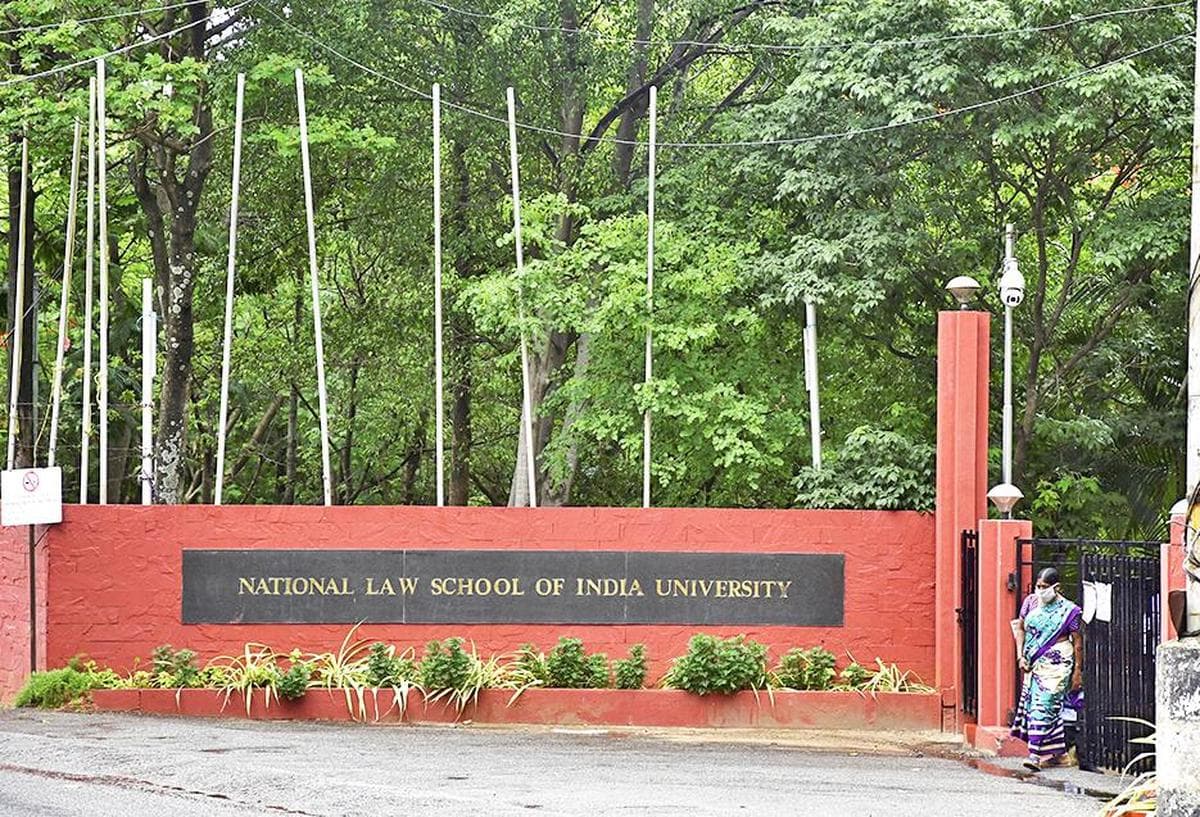
At Bengaluru’s National Law School, the proposed September 14 screening was organised by the student-run Law and Society Committee and was intended to mark six years of Umar Khalid’s incarceration; the committee said it would hold the programme later in the trimester.
5
IIIT-Hyderabad said it has established procedures governing official campus events and activities, and that attributing an unauthorised or unrelated activity to the institute or its recognised student bodies would be factually incorrect.
India's film regulator flagged a planned screening of a documentary about jailed activist Umar Khalid at a top technology institute, saying the event would violate federal law without proper certification. Telangana Today reported that IIIT-Hyderabad students subsequently cancelled the September 18 screening of "Prisoner No. 626710 is Present" after the Central Board of Film Certification warned that public exhibition of an uncertified film breaches the Cinematograph Act.
The institute distanced itself from the event, stating that individual student and faculty interactions should not be treated as official institute activities. The incident follows a similar postponement at Bengaluru's National Law School, where student organisers cited logistical and security concerns after facing opposition.
How the CBFC Blocked the Hyderabad Screening
The CBFC, which operates under India's Ministry of Information and Broadcasting, sent a notice warning that showing an uncertified film in public violates the Cinematograph Act. The Wire reported that the board sought action against IIIT-Hyderabad for planning the screening. Students had scheduled the event for 8 p.m. at the institute's KRB Auditorium and billed it as marking Political Prisoners' Day and the 1929 death anniversary of revolutionary Jatindra Nath Das.
After the CBFC's warning, the screening was cancelled. IIIT-Hyderabad then issued a statement emphasizing that neither the institute nor any of its officially recognised student organisations had organised the event. The institute said that treating unauthorised student or faculty activities as institute-endorsed would be "factually incorrect."
A Similar Cancellation at Bengaluru's Law School
Two weeks earlier, Bengaluru's National Law School postponed its own screening of the same documentary. Tribune India reported that the ABVP, an RSS-affiliated student group, opposed the event, alleging it would amount to political propaganda. The student-run Law and Society Committee had planned the September 14 screening to mark six years of Umar Khalid's incarceration.
Rather than cite regulatory issues, the Law School organisers said they faced logistical and security concerns. The Law and Society Committee said it intended to hold the programme later in the trimester, signalling the cancellation was temporary rather than permanent.
Film Institute Students Criticise the CBFC's Authority
The screenings have drawn scrutiny over the CBFC's reach. Indian Express reported that the Film and Television Institute of India Students' Association expressed concern that the CBFC acted "beyond its mandate" by intervening in campus events. The FTIISA argued that film certification should apply to theatrical and commercial releases, not internal educational screenings.
The debate highlights a tension between film regulation and free expression on campuses. Critics argue that the CBFC's approach to uncertified films may chill discussions about sensitive topics, while regulators maintain that the Cinematograph Act applies to all public screenings regardless of venue.
Sentiment
Mostly NegativeNEGATIVENEUTRALPOSITIVE
Publishers
17
Articles
29
Reach
46
A
AnonymousAuthor