ABVP Seeks NLSIU Screening Cancellation, Inquiry
ABVP Seeks NLSIU Screening Cancellation, Inquiry
Anonymous
Key Points
1
The ABVP delegation that met Arjun Ram Meghwal included Bengaluru Mahanagara President Ramesh M, Secretary Abhinandan Mirji and Joint Secretaries Dhanush Gowda and Ananya; the meeting took place at Raj Bhavan, according to the organisation’s account.
2
Before meeting Meghwal, ABVP said it had also sent representations to Home Minister Amit Shah, Education Minister Pralhad Joshi and the law ministry’s minister of state, seeking central intervention over the proposed screening.
3
ABVP questioned why the trial in the case against Umar Khalid had not yet commenced, adding a judicial-process concern to its objections over the documentary screening.
4
The memorandum called for strict rules at national educational institutions, especially law universities, to prevent campus spaces from being used for what ABVP described as political propaganda or the romanticisation of subversive agendas.
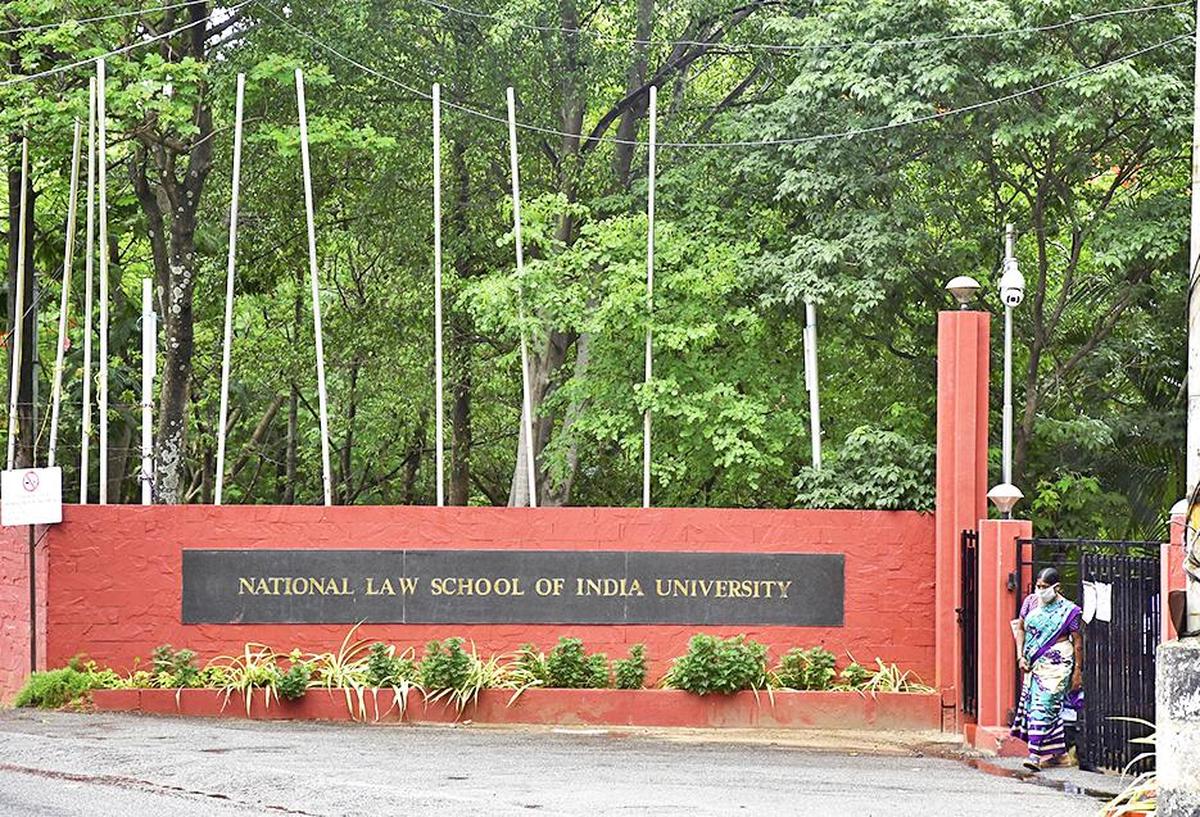
The Akhil Bharatiya Vidyarthi Parishad (ABVP), a student organization, has demanded that India's law ministry permanently cancel a documentary screening about jailed activist Umar Khalid at a top law university in Bengaluru. The Hindu reported that the screening was already postponed after ABVP protests, citing security and logistics concerns. Now ABVP wants it scrapped entirely and is calling for a government inquiry into the university's decision to host it.
The group argues that university facilities should not host what it calls political propaganda or events that glorify what it describes as subversive agendas. Times of India noted that ABVP leaders met with Union Law and Justice Minister Arjun Ram Meghwal to push for the cancellation. Khalid has been jailed since 2020 facing charges related to the Delhi riots.
ABVP Escalates Pressure on Multiple Government Officials
Before meeting the law minister, ABVP sent representations to Home Minister Amit Shah, Education Minister Pralhad Joshi, and the law ministry's minister of state. Moneycontrol reported that ABVP welcomed the screening's postponement, stating that 'academic freedom cannot shield subversive agendas.' The delegation that met Meghwal included Bengaluru ABVP leaders Ramesh M, Abhinandan Mirji, Dhanush Gowda, and Ananya at Raj Bhavan.
Questions About Trial Delays and Documentary Content
ABVP raised a separate concern: Umar Khalid's trial has not yet commenced despite his arrest in 2020. The group argues this delay raises questions about the case's status. Varthabharati reported that ABVP, described as an RSS-affiliated student body, claims the screening cancellation proves their objections resonated with university officials. The documentary itself remains at the center of the dispute over academic freedom versus security concerns.
Broader Push to Restrict Campus Political Speech
ABVP's memorandum calls for strict rules at national educational institutions—especially law universities—to prevent campus spaces from being used for political events. The group says universities should block what it views as romanticization of subversive activities. Indian Express reported that a similar documentary screening was also cancelled at IIIT-Hyderabad, suggesting a pattern of cancelled events across institutions.
Beyond the documentary dispute, ABVP separately raised concerns about NLSIU's basic infrastructure, including overcrowding, water shortages, and other amenities. This dual approach—targeting the screening while also highlighting campus problems—reflects ABVP's broader agenda to shape policies at India's premier educational institutions.
Sentiment
Mostly NegativeNEGATIVENEUTRALPOSITIVE
Publishers
14
Articles
23
Reach
37
A
AnonymousAuthor