Crimean Energy Outages
Crimean Energy Facilities Damaged in Drone Attack Causing Widespread Outages
Anonymous
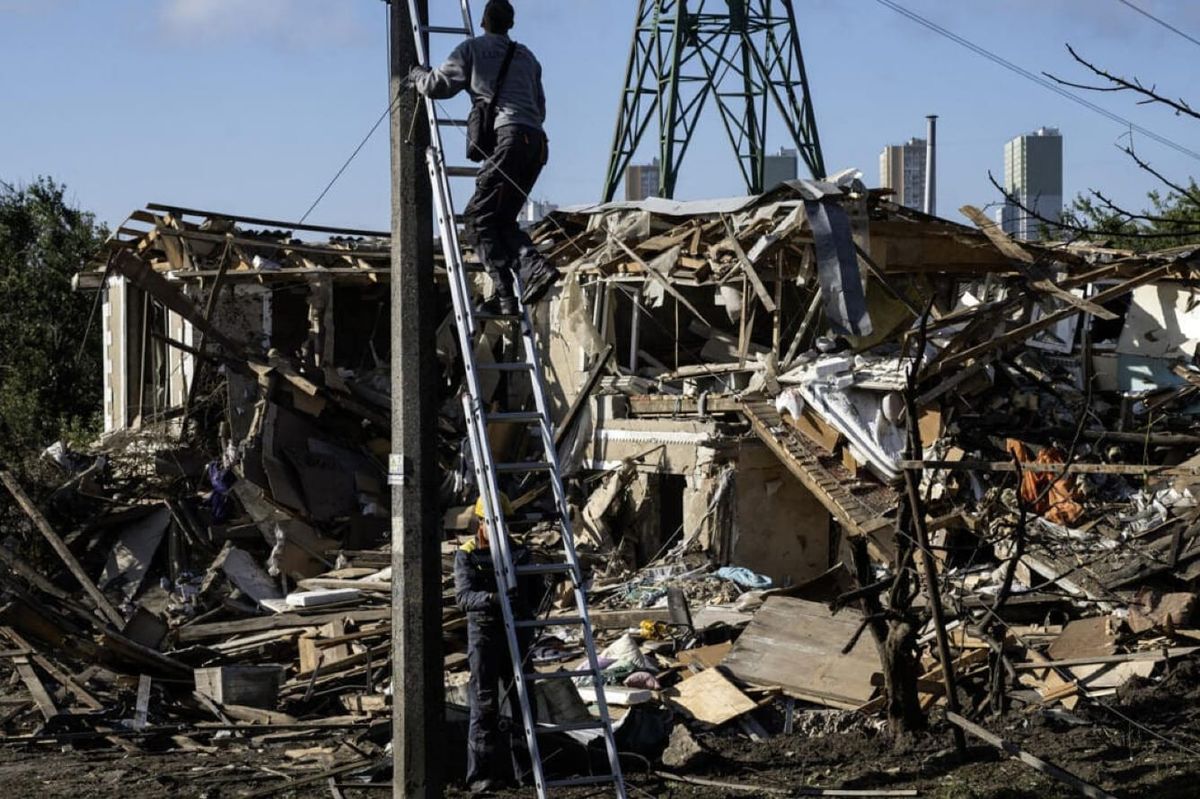
Ukrainian drone strikes have damaged key energy facilities across Crimea, forcing the Russian-installed power utility Krymenergo to impose emergency rolling blackouts across the occupied peninsula. Ukrinform reported that explosions hit substations in Krasnoperekopsk, Simferopol, and the Saky district overnight, leaving several settlements without electricity. A 50 MVA transformer at the Nyzhniohirskyi substation was destroyed, cutting power to Armiansk, Chornomorske, and other towns.
The strikes also targeted Russian military logistics. Ukrinform reported that a drone hit a motor transport depot near Krasnoperekopsk railway station where Russian equipment is stationed. The Russian Defense Ministry claimed it intercepted 330 Ukrainian drones during the overnight assault, though officials acknowledged the energy grid now operates under severe capacity constraints.
Energy Grid Fractures Under Drone Pressure
Crimea's electrical system is now critically fragile. The peninsula demands roughly 1,780 MW during winter peak hours but has only about 470 MW of reliable generation capacity from its main Tavriya Thermal Power Plant. Krymenergo confirmed that transmission lines and grid equipment were being disconnected to prevent total system collapse and to allow repairs.
The October 1st strike on Nyzhniohirskyi's substation triggered cascading failures. Power cuts hit Armiansk, Chornomorske, Krasnohvardiiske, and Pervomaiske. Blackouts also disrupted water pumps, leaving municipalities without running water. Emergency restrictions remain in place as Krymenergo scrambles to restore capacity.
Ukraine Escalates Long-Range Campaign Against Occupation Infrastructure
The latest strikes are part of a sustained Ukrainian strategy targeting Crimean energy and military logistics nodes. Throughout 2026, Ukrainian drones have hit over 100 Crimean facilities, including thermal power plants and major substations, reducing grid capacity to roughly 25% of peak output. The campaign aims to degrade Russian supply lines feeding military airbases and repair yards.
Electricity corridors in Crimea power Russian electric rail networks, command hubs, and staging areas critical to the Southern Theater. By targeting transformer stations and distribution hubs, Ukrainian forces create bottlenecks that slow weapons movement and resupply to frontline zones in Kherson and Zaporizhzhia.
Moscow Claims Massive Interception While Acknowledging Damage
The Russian Defense Ministry stated it shot down 330 Ukrainian drones during a 12-hour window preceding the October 1st strikes. Despite these claims, the attacks succeeded in hitting key electrical infrastructure and military depots. Occupation authorities have blamed Ukraine for causing civilian hardship, while downplaying the military disruptions caused by the strikes.
Krymenergo's official statement acknowledged the reality on the ground: the energy system is operating under "conditions of a capacity deficit" and emergency measures are necessary to prevent further collapse. Blackout schedules remain unpredictable, adding pressure on an already strained occupation administration.
Winter Demand Looms as Grid Fragility Deepens
As temperatures drop, Crimea's energy crisis will worsen. Peak winter demand of 1,780 MW far exceeds available generation. Rolling blackouts will intensify. Water systems dependent on electric pumps face continued disruption. Medical facilities and residential heating will face rationing.
The occupation authorities face a dilemma: repair damaged infrastructure while managing military needs, or continue emergency restrictions that alienate the civilian population. Ukrinform reported that the energy deficit means difficult choices about where power flows — to military or civilian use.
Sentiment
Mostly NegativeNEGATIVENEUTRALPOSITIVE
Publishers
52
Articles
69
Reach
121
A
AnonymousAuthor


