Festival Drownings Claims 14 Lives
At least 14 young people drown during festival immersion rituals across three states.
Anonymous
Key Points
1
Karam Dali immersion is the concluding ritual of Karam Visarjan, a harvest and nature festival observed by tribal and farming communities across Jharkhand, Odisha, West Bengal, Chhattisgarh, Assam and Bihar.
2
Palamu district disaster-management officials said eligible families in drowning cases can receive ex gratia compensation of Rs 4 lakh, subject to formalities including submission of the postmortem report; two doctors were assigned to conduct the autopsies because of the number of fatalities.
3
In Bhagalpur, the incident occurred at about 10:30 a.m. in the Taraita Bahiyar area, and police said three of the six victims were girls. Officials said the families would receive assistance and compensation according to government rules.
4
Residents in Bhagalpur said one child entered deep water and the others tried to rescue that child, leading to all six drowning; villagers also questioned the lack of safety arrangements around the water body during the festival.
5
The Sonbhadra deaths occurred at an Amrit Sarovar, part of a Government of India programme intended to develop and rejuvenate rural water bodies for water conservation and improved groundwater availability.
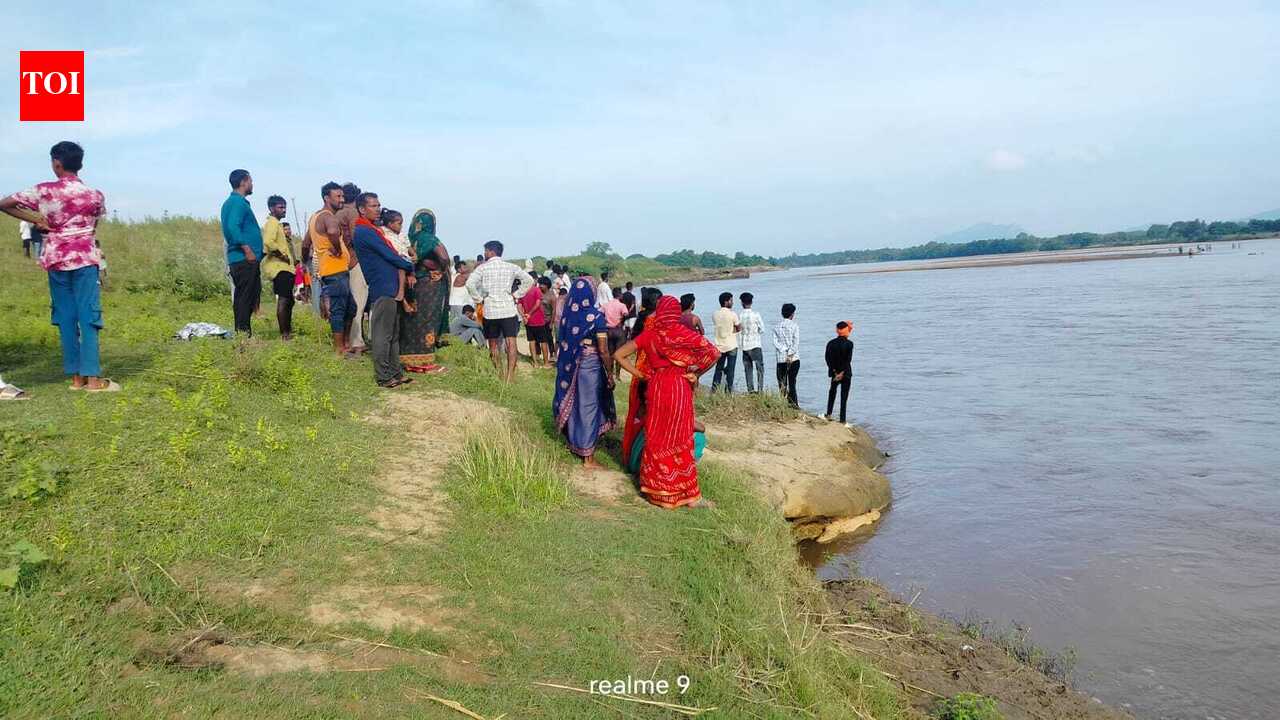
At least 14 children and young adults drowned across three eastern Indian states during ritual bathing and immersion ceremonies for the Karam harvest festival on September 21-23, 2026. Times of India reported that six children aged 12 to 14 died in Bhagalpur, Bihar, while five youths aged 8 to 22 drowned in Palamu, Jharkhand, and two boys aged 7 and 10 died in Sonbhadra, Uttar Pradesh. The deaths underscore recurring safety gaps at water bodies during major rural festivals.
In each incident, authorities said a child entered deeper water and others attempted rescue, triggering chain-reaction drownings. The Print reported that five victims drowned in Koel River during Karam Dali immersion rituals, while News18 confirmed additional deaths in separate Jharkhand villages. District officials announced compensation of Rs 4 lakh per family and launched investigations into safety failures.
Karam Festival Draws Thousands to Water Rituals
Karam Visarjan marks the end of Karam, a harvest and nature festival celebrated by tribal and farming communities across Jharkhand, Bihar, West Bengal, Odisha, Chhattisgarh, and Assam. The Meghalayan Express reported that the festival culminates in ceremonial immersion of tree branches and ritual bathing at rivers and ponds. The three drowning incidents all occurred during these concluding Karam Dali immersion rituals.
Six Children Drown in Bihar Pond During Festival Bathing
On September 21 at approximately 10:30 a.m., six children aged 12 to 14 drowned in a waterlogged pond in the Taraita Bahiyar area of Bhagalpur district. Times of India reported that the children were taking a ritual bath for the Karma-Dharma festival when one entered deeper water. The others immediately jumped in to help, but strong currents and deep mud caused all six to drown. Three of the victims were girls: Puja Kumari, Meenakshi Kumari, and Jyoti Kumari.
Local residents recovered the bodies and rushed victims to a Community Health Centre where all were pronounced dead on arrival. Villagers criticized local officials for failing to post warning signs or deploy safety personnel near the water body. The Bhagalpur district administration said families would receive government assistance and compensation according to official rules.
Palamu Drownings Claim Six Young People in Two Rivers
On September 23 morning, five youths aged 8 to 22 drowned in Koel River during Karam Dali immersion in Bokaya village, Palamu district. The Meghalayan Express reported that four bodies were recovered while search continued for the fifth victim. Simultaneously, a 15-year-old girl drowned in the Jinjoi River during a separate immersion ritual. Police said an 8-year-old boy drifted into deep water and four others attempted rescue, leading to all five drowning.
Palamu district disaster management officials assigned two doctors to conduct autopsies expeditiously due to the volume of fatalities. Eligible families will receive ex gratia compensation of Rs 4 lakh—approximately $4,800—pending submission of postmortem reports. Residents urged authorities to install barricades and safety measures around immersion points during future festivals.
New Water Infrastructure Project Raises Safety Concerns
On the same day, two boys aged 7 and 10 drowned while bathing in an Amrit Sarovar in Sonbhadra district, Uttar Pradesh. These water bodies are part of a Government of India programme designed to rejuvenate rural ponds for water conservation and improved groundwater availability. The deaths raise questions about safety requirements for newly constructed public water infrastructure in rural areas.
Sentiment
Mostly NegativeNEGATIVENEUTRALPOSITIVE
Publishers
27
Articles
19
Reach
46
Topics
A
AnonymousAuthor