Wildfire Smoke Spreads
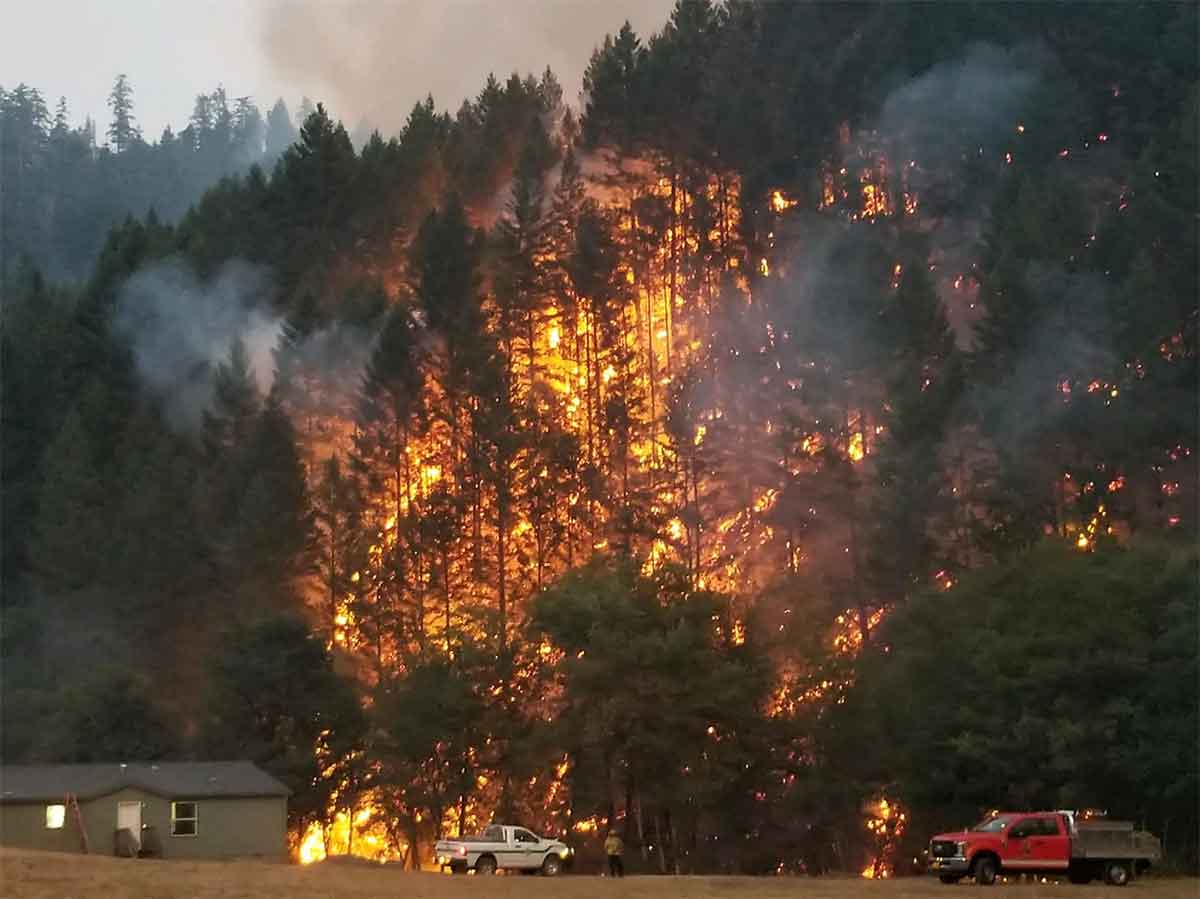
Wildfires across Canada and the United States send heavy smoke across North America.
Anonymous
Key Points
1
NOAA identified the Broad Fire in northern Utah as producing a light-to-moderate smoke plume that drifted northward into Idaho.
2
The Plaskett Fire in Monterey County produced a localized area of heavy smoke in addition to lighter smoke moving northwestward over the Pacific Ocean.
3
NOAA reported that smoke from fires in central Washington was localized and light-density despite heavy cloud cover.
4
A separate layer of light-to-medium smoke over the eastern Hudson Bay was drifting northeastward toward Greenland, while light smoke from U.S. fires moved north over southern Saskatchewan and Manitoba.
Wildfires across North America are sending massive plumes of smoke spanning three countries and two oceans, NOAA reports. Fires in Canada's Northwest Territories are pushing smoke toward Greenland, while blazes across the western and central United States are drifting north into Canada, south toward Mexico, and east into the Atlantic Ocean, affecting air quality for tens of millions of people.
Canadian Fires Drive Smoke Across Northern Border
Wildfires in Canada's Northwest Territories are generating medium-to-heavy smoke that stretches across British Columbia, Manitoba, Ontario, and Quebec, NOAA confirmed. A separate plume drifts northeastward from Hudson Bay toward Greenland. Light-to-medium smoke from U.S. fires has also moved north over southern Saskatchewan and Manitoba, creating a unified smoke blanket across the region.
California's Plaskett Fire Sends Smoke Over Pacific
The Plaskett Fire in California's Monterey County produced heavy localized smoke while lighter plumes drift northwestward over the Pacific Ocean, NOAA satellite operators observed. In northern Utah, the Broad Fire generated light-to-moderate smoke moving northward into Idaho. Fires in central Washington added localized plumes despite heavy cloud cover masking full visibility.
Central and Southeast States Face Thick Smoke Layer
Moderate-to-heavy smoke from fires across Missouri, Montana, South Dakota, Kansas, Oklahoma, Arkansas, Louisiana, Mississippi, and Tennessee has coalesced into a unified regional layer drifting toward the Atlantic Ocean, according to NOAA. The combined effect of multiple active fire sources across at least 13 U.S. states creates transboundary smoke channels spanning thousands of miles.
Smoke Reaches Mexico and Gulf Waters
Light smoke from U.S. wildfires and industrial activity has spread south across Mexico, the Gulf of Mexico, and Central America, NOAA reported. The affected regions include Mexican coastal states and maritime zones. Aviation routes and shipping lanes across the Pacific and Atlantic now face localized visibility hazards from the smoke plumes.
Sentiment
Mostly NegativeNEGATIVENEUTRALPOSITIVE
Publishers
60
Articles
45
Reach
105
A
AnonymousAuthor


