Trial Jury Reaches Impasse
Lindsay Clancy Jury Signals Impasse After Four Days of Deliberations
Anonymous
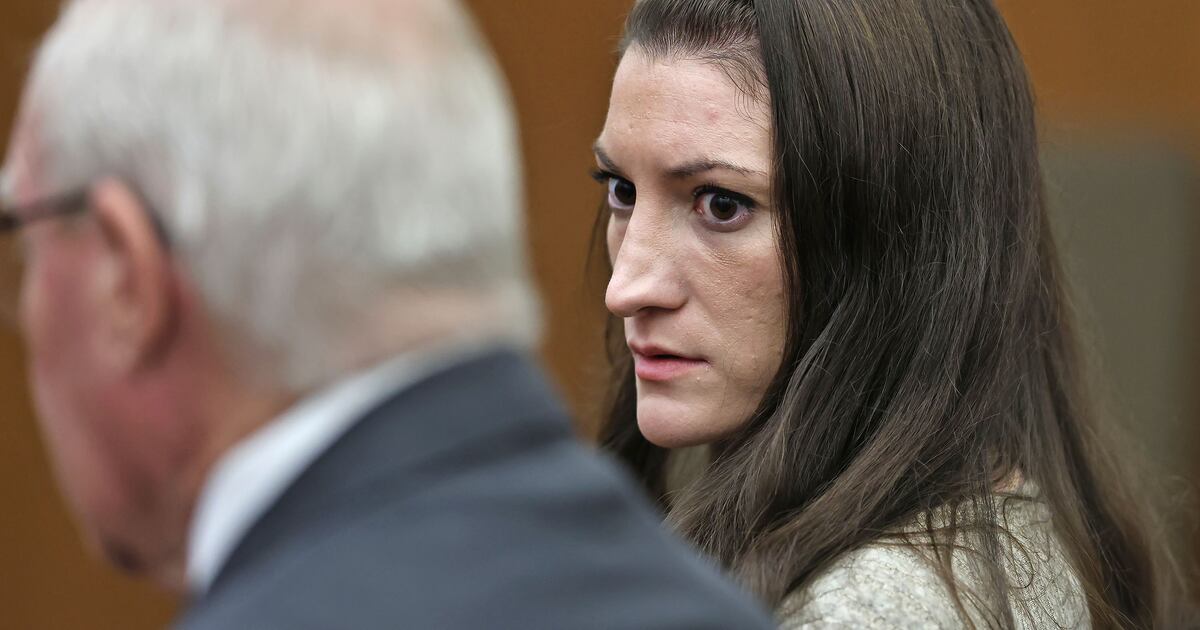
Jurors in the Lindsay Clancy trial in Massachusetts have spent four days deliberating without reaching a verdict, signaling a potential deadlock. The jury told the judge on Tuesday they were struggling to agree on whether the mother of three children is criminally responsible for killing her children, according to AJC. The impasse marks the first major sign of discord in this closely watched case that has gripped the nation.
The case has centered on maternal mental health following childbirth and has sparked deep public division. Jurors could not find common ground on the core question of criminal responsibility despite intensive deliberations over multiple days, according to Boston 25 News.
Four Days of Deliberations With No Consensus Reached
The jury returned home on Tuesday after completing their fourth full day of deliberations without agreement. According to The Facts, jurors earlier informed the judge they were struggling to reach consensus on the charges. This marks a critical turning point in a trial that has commanded national attention since it began.
The deliberation period extended longer than typical in high-profile cases, suggesting fundamental disagreements among jury members. Woonsocket Call reported that jurors went home Tuesday after signaling their difficulties to the judge, indicating the depth of their divisions on key guilt or innocence questions.
Maternal Mental Health Center Stage in Polarizing Trial
The Lindsay Clancy case has elevated questions about postpartum mental illness and criminal responsibility into the public spotlight. The trial's focus on whether a mother experiencing mental health crises should face full criminal charges has divided observers across the country. Legal experts have watched the case as a potential turning point in how courts treat mothers with untreated postpartum conditions.
The jury's inability to agree suggests they grapple with the same moral and legal complexity that has captivated the public. Some jurors may view the case through a lens of compassion and mental illness, while others focus on the criminal nature of the acts. This fundamental disagreement is now playing out in the jury room, Dayton Daily News reported.
What Happens Next in This High-Stakes Case
When jurors return, they will face pressure to reach agreement or formally declare a hung jury. A mistrial could result if they cannot unanimously agree on a verdict, forcing prosecutors to decide whether to retry the case. The stakes remain extraordinarily high for all involved—the defendant, her family, and the broader conversation about maternal mental health in the criminal justice system.
Sentiment
NeutralNEGATIVENEUTRALPOSITIVE
Publishers
7
Articles
7
Reach
7
A
AnonymousAuthor


