Gastroschisis Womb Surgery Breakthrough
First UK Baby Successfully Undergoes Pioneering In-Utero Gastroschisis Surgery
Anonymous
Key Points
1
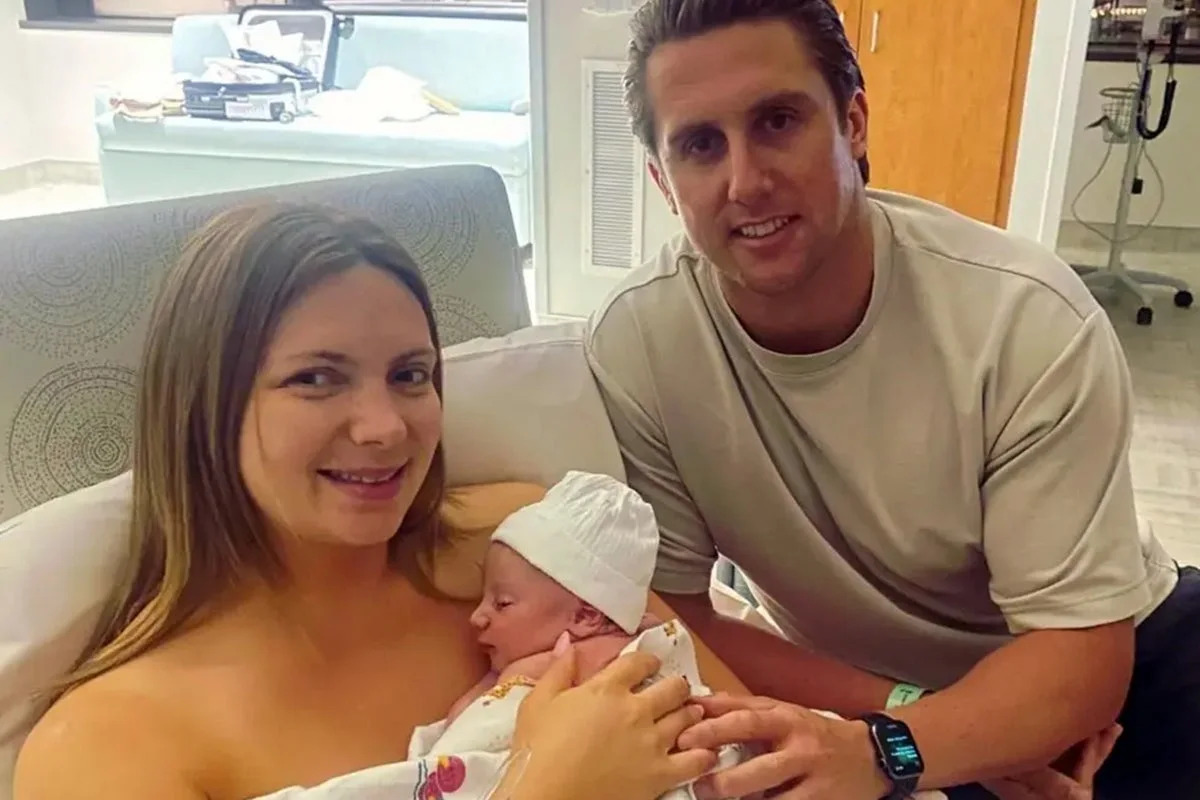
Theo is now five months old and thriving, illustrating early postnatal progress following the womb-based procedure.
2
Paolo De Coppi, a professor of paediatric surgery at UCL GOSH, said that previous success with spina bifida could indicate the procedure offers a potential cure for gastroschisis, and that if results are positive, it could become the standard operation for complex cases.
3
Maisie Savage described Theo as a 'little miracle' following the procedure, highlighting the emotional relief and hope for families facing similar diagnoses.
4
Experts note that even with the highest level of medical care, mortality for complex gastroschisis can be about 10%, underscoring the seriousness of the condition and the potential value of new approaches.
5
The surgery described in the reports involves a 'keyhole' approach that partially exposes the womb and gently repositions Theo’s intestines back into the abdomen, a less invasive technique compared with traditional postnatal repair.
A UK baby has made medical history by becoming the first British infant to receive surgery for a serious birth defect — while still inside the womb. Theo, now five months old and thriving, was born in February after surgeons at Texas Children's Hospital in the US repaired his intestines before birth, according to Yahoo News.
The condition, called gastroschisis, means a baby's intestines grow outside the body through a gap in the belly wall. It affects about 1 in every 3,000 births in the UK. Theo's mother, Maisie Savage, called her son a 'little miracle' after the procedure succeeded.
Surgeons Operated on Theo Inside the Womb
The procedure used a 'keyhole' technique. Surgeons partially exposed the womb and gently moved Theo's intestines back inside his abdomen, according to Yahoo News. The approach is similar to methods already used for spina bifida, a condition affecting the spine. It is far less invasive than the surgery babies normally receive after birth.
Theo is only the third baby in the world to undergo this type of womb-based repair for gastroschisis, The Sun reported. The surgery was carried out at Texas Children's Hospital as part of a multicountry clinical trial. London's Great Ormond Street Hospital and KU Leuven in Belgium are also part of the trial.
Parents Faced Shock Diagnosis Before Historic Surgery
Maisie Savage and her partner learned about Theo's condition during a routine prenatal scan. The diagnosis was a shock. Gastroschisis meant their son's intestines were growing outside his body — a sight no parent expects to see on a scan. Savage described the moment as overwhelming.
Despite the fear, the family chose to take part in the clinical trial and travel to the US for the operation. The decision paid off. Theo was carried to full term and born healthy in February, according to Yahoo News. Savage said the outcome gave her enormous relief and hope for other families in the same situation.
Why This Matters: 10% Mortality in Complex Cases
Gastroschisis sounds rare, but it is one of the more common birth defects in the UK. Standard treatment means postnatal surgery and weeks — sometimes months — in neonatal care. Even with the best care available, mortality for complex cases sits at around 10%, according to Yahoo News.
Professor Paolo De Coppi, a paediatric surgery expert at UCL and Great Ormond Street Hospital, said past success with spina bifida surgery shows what is possible. He said the new approach could offer 'a potential cure for gastroschisis.' If trial results are positive, he added, it could become the standard operation for complex cases.
Trial Aims to Make Womb Surgery the New Standard
The clinical trial is still ongoing. Researchers want to know whether this technique consistently leads to better outcomes and shorter hospital stays. Only three babies worldwide have had this surgery so far. Theo's case is a critical data point, The Sun reported.
Doctors are cautiously optimistic. If the trial confirms the benefits, womb-based repair could replace traditional postnatal surgery for the most complex gastroschisis cases. That would be a major shift in care for thousands of families every year — in the UK and beyond.
Sentiment
Mostly PositiveNEGATIVENEUTRALPOSITIVE
Publishers
14
Articles
16
Reach
30
A
AnonymousAuthor


