SEC Pro Player Hearing
SEC Defends Rights at Hearing on Pro Athletes Returning to College
Anonymous
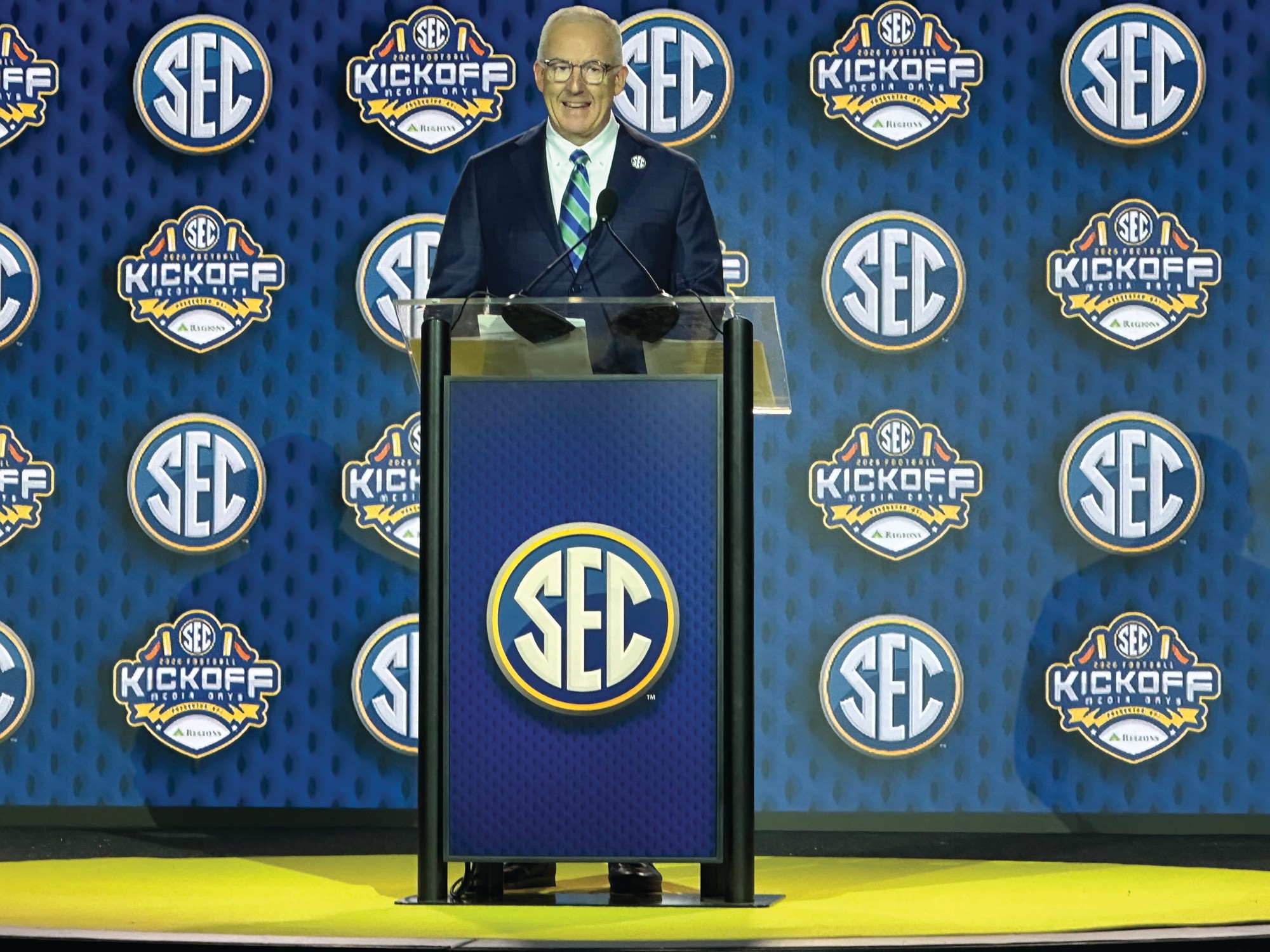
A Louisiana court has blocked the SEC from punishing schools that allow football players signed with NFL teams to return to college. The Olympian reported that District Judge William Jorden granted a temporary restraining order against the SEC and commissioner Greg Sankey, preventing penalties that could include suspending coaches for half a season and fining schools up to 50% of their football budget.
The SEC is now set to defend itself at a hearing in Louisiana. The ruling affects 41 athletes who won legal protection to continue playing college football while pursuing professional contracts.
Judge Blocks SEC's Penalties for Pro Players
District Judge William Jorden of Baton Rouge ruled that the SEC cannot punish schools for allowing athletes to play football while signed with NFL teams. Sun Herald noted the temporary restraining order halts the league's planned enforcement actions against member institutions.
The SEC's proposed penalties were severe. Schools faced coach suspensions lasting half a season, fines equal to 50% of annual football operating budgets, and loss of voting rights within the league, according to Mahoning Matters.
41 Athletes Gain Right to Return to College
The court ruling protects 41 athletes from being blocked from college competition. Kansas.com reported that the restraining order allows these players to continue their college football careers despite holding professional league contracts.
This outcome challenges traditional NCAA and conference rules that have long prohibited dual participation in college and professional sports at the same time.
SEC Leadership Faces Hearing in Baton Rouge
Commissioner Greg Sankey and the SEC must appear at an upcoming hearing to argue their case. The league will attempt to convince the court that its rules and penalties are necessary to maintain competitive integrity and proper governance of college athletics.
The hearing outcome will determine whether the temporary restraining order becomes permanent, potentially reshaping how conferences handle athletes with professional contracts. The case sets a precedent for future disputes over athlete eligibility across all major college sports leagues.
Sentiment
NeutralNEGATIVENEUTRALPOSITIVE
Publishers
5
Articles
4
Reach
5
A
AnonymousAuthor


