College Transfer Buyouts
Ole Miss Sues LSU Transfers Seeking $1 Million in Unpaid Buyouts
Anonymous
Key Points
1
Princewill Umanmielen was cited as the Rebels’ top defensive end in 2025 and was ranked the No. 1 defensive end in On3's transfer-portal rankings, while Devin Harper joined Ole Miss as part of the 2025 signing class.
2
Ole Miss says it sent demand letters soon after the players signed with LSU and asked LSU to pay the buyouts on the players’ behalf on March 12; LSU replied on March 18 that it was not a party to the contracts and therefore would not pay.
3
LSU has maintained it is not a party to the contracts, while Ole Miss emphasizes it made efforts to resolve the matter amicably, including a final outreach on July 27 before filing the lawsuits.
4
The filings are in Lafayette County Circuit Court in Oxford, Mississippi, and seek nearly $1 million combined plus attorney fees, court costs, and pre- and post-judgment interest.
5
Ole Miss is represented by Cal Mayo Jr., Paul Watkins Jr., and Kate Embry of Mayo Mallette PLLC in Oxford for the breach-of-contract actions.
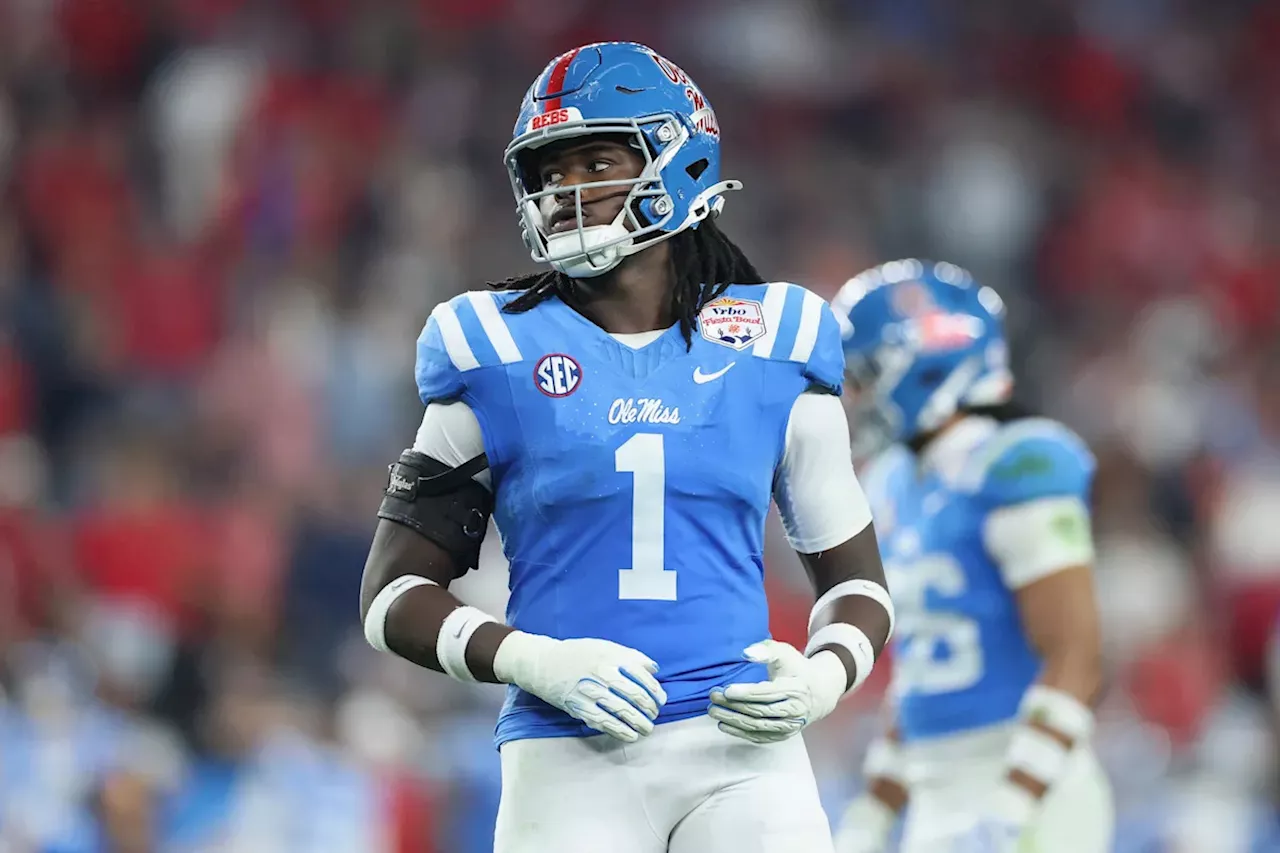
Ole Miss has sued two former football players now at LSU, seeking nearly $1 million in unpaid buyout penalties. ESPN reported that the university filed separate breach-of-contract lawsuits against defensive end Princewill Umanmielen, claiming $550,000, and offensive lineman Devin Harper, claiming $400,000, after both transferred to LSU this offseason.
The suits were filed in Lafayette County Circuit Court in Oxford, Mississippi. Ole Miss says it tried to settle the matter before going to court, reaching out to LSU as recently as July 27. LSU refused to pay, saying it was not a party to the contracts.
Revenue-Sharing Deals Included 90-Day Exit Penalties
The players signed revenue-sharing agreements with Ole Miss that included early-termination clauses. According to The Times-Picayune, those agreements required players to stay enrolled, remain in good standing with the program, and keep an active athletic aid agreement to receive payments. If a player left within a 90-day window, they owed the money back.
Umanmielen was Ole Miss's top defensive end and ranked No. 1 among defensive ends in On3's transfer portal rankings, per 247Sports. Harper joined Ole Miss as part of the 2025 signing class. Both players left for LSU earlier this year, triggering the buyout provisions Ole Miss now wants enforced.
Ole Miss Sent Demand Letters, LSU Refused to Pay
Ole Miss did not go straight to court. The university first sent demand letters to each player after they signed with LSU. Then, on March 12, Ole Miss asked LSU to pay the buyouts on the players' behalf, according to ESPN.
LSU replied on March 18. The school said it was not a party to the contracts and would not pay. Ole Miss made one final attempt to resolve the matter on July 27. When that also failed, the university filed the lawsuits, seeking the buyout amounts plus attorney fees, court costs, and pre- and post-judgment interest.
LSU Denies Responsibility, Leaving Players on the Hook
LSU's position is simple: it did not sign these contracts, so it does not owe anything. That stance leaves Umanmielen and Harper personally liable, according to The Times-Picayune. Ole Miss is not suing LSU — the lawsuits name only the players.
Head Topics noted that the transfers came as part of a broader wave of players who followed head coach Lane Kiffin from Ole Miss to LSU. Ole Miss is represented by Cal Mayo Jr., Paul Watkins Jr., and Kate Embry of Mayo Mallette PLLC in Oxford.
Case Signals Bigger Fight Over Transfer Buyout Clauses
This case is being watched across college football. Revenue-sharing agreements are new, and buyout clauses in those deals have not been tested in court before. 247Sports called the Ole Miss filings a sign that schools are serious about enforcing these contracts.
The outcome could shape how programs write future revenue-sharing deals — and whether transfer buyouts are actually enforceable. For now, Umanmielen and Harper face a combined $950,000 in claimed damages as they prepare for the 2025 season at LSU.
Sentiment
Mostly NegativeNEGATIVENEUTRALPOSITIVE
Publishers
22
Articles
47
Reach
69
Topics
A
AnonymousAuthor


