Security Council Set to Debate Iran Nuclear Program
Security Council Set to Debate Iran Nuclear Program
Anonymous
Key Points
1
The analysis distinguishes Iran’s situation from North Korea’s while arguing that both seek deterrence through survival rather than conventional victory: North Korea’s nuclear capability created uncertainty over the consequences of regime destruction, effectively serving as “regime insurance.”
2
The article cites Iraq, Libya and Ukraine as contrasting precedents: Iraq’s nuclear ambitions were dismantled before Saddam Hussein’s government fell; Libya abandoned its nuclear program before Muammar Gaddafi’s overthrow; and Ukraine surrendered inherited Soviet nuclear weapons before later suffering invasion despite security assurances.
3
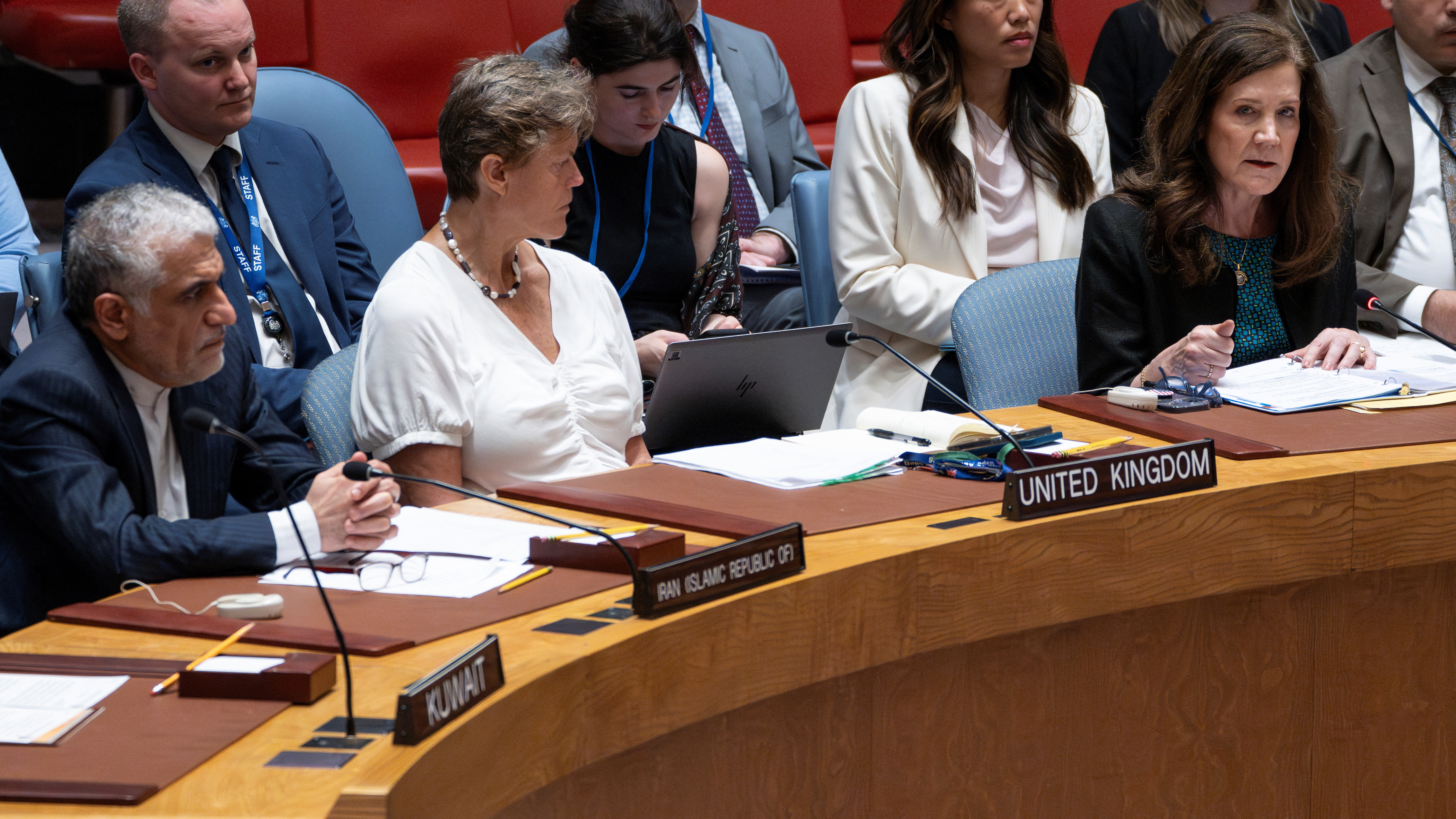
The U.S. representative said the Security Council had voted one year earlier to permit the snapback of sanctions and re-establish the 1737 Committee, which she described as having a sanctions list, a proposed expert panel and authority over sanctions exemptions.
4
The proposed U.S.-Saudi nuclear agreement would undergo a 90-day congressional review under Section 130 of the Atomic Energy Act: 30 days of committee consultation followed by 60 days of floor consideration. Because it was submitted as an exempt agreement with an executive compliance determination, it would not require an affirmative joint resolution of approval.
5
The nuclear analysis notes that uranium conversion was central to the IAEA’s decision to refer Iran to the U.N. Security Council in August 2005; the proposed requirement for a joint study of conversion is therefore intended to address the production of uranium hexafluoride feed gas, not just enrichment levels.
The United Nations Security Council is preparing to debate Iran's nuclear program as tensions remain high over Tehran's atomic activities. U.S. officials defended continuing sanctions monitoring and rejected attempts to block discussion of Iran's nuclear capabilities at the international body.
The debate unfolds as the U.S. and Saudi Arabia propose a nuclear cooperation framework that would cap Iran's uranium enrichment at 5 percent. The agreement also requires joint studies on uranium conversion, a key issue that triggered international scrutiny of Iran's nuclear program over a decade ago.International agencies.
Iran Pursues Nuclear Deterrence Like North Korea
Analysts argue Iran is following a deterrence strategy similar to North Korea's. Rather than seeking conventional battlefield victory, Iran aims to make regime overthrow or occupation so costly that adversaries accept its survival. North Korea's nuclear weapons created uncertainty about the consequences of toppling its government, effectively serving as regime insurance.
This approach contrasts sharply with Iraq, Libya, and Ukraine. Iraq's nuclear ambitions were dismantled before Saddam Hussein fell. Libya abandoned its nuclear program before Muammar Gaddafi's overthrow. Ukraine surrendered Soviet nuclear weapons inherited after the Cold War, then suffered invasion despite security assurances. Experts say Iran learned these lessons.
U.S. and Allies Assert Military Limits Against Iran
Despite extensive damage inflicted by U.S. and Israeli airstrikes, Iran's government and retaliatory capabilities remain largely intact. Defense analysts note this illustrates the limits of conventional military superiority without a decisive political outcome or regime change.
The Security Council voted one year earlier to allow sanctions to snap back and re-establish the 1737 Committee, which oversees a sanctions list and exemptions. U.S. representatives argued the council must continue monitoring Iran's nuclear compliance despite diplomatic tensions.
New Nuclear Deal Limits Inspections of Iranian Activities
The proposed U.S.-Saudi nuclear framework caps enrichment at 5 percent and requires joint studies on uranium conversion. The agreement faces a 90-day congressional review: 30 days of committee consultation plus 60 days of floor debate. It will not require approval from the full Congress as a formal treaty.
Uranium conversion has been central to international scrutiny since 2005, when the International Atomic Energy Agency referred Iran to the Security Council. Conversion produces uranium hexafluoride feed gas used in enrichment. Critics argue the proposed agreement's limited inspection provisions could make undeclared nuclear activities harder to detect.
Sentiment
Mostly NegativeNEGATIVENEUTRALPOSITIVE
Publishers
18
Articles
3
Reach
21
A
AnonymousAuthor


