Beltline Rail Revival
Atlanta City Council Reaffirms Support for 22-Mile Beltline Rail Project
Anonymous
Key Points
1
The resolution follows a pause of more than a year and a half by local leaders serving on a MARTA advisory board, making the vote an effort to revive a previously stalled project.
2
Councilman Byron Amos added changes intended to protect Atlanta’s Westside from the effects of future development tied to the rail project.
3
Critics cited estimated streetcar operating costs of roughly $24 to $98 per passenger mile as evidence that the project could be an inefficient use of taxpayer funds.
4
The implementation review may consider different starting points along the corridor, including the east or south sides, rather than assuming construction would begin at a single predetermined location.
5
Councilwoman Kelsea Bond said the Beltline has not yet fulfilled its promise of equity, arguing that current policy decisions will determine whether the corridor is reconnected in a way that serves the public good.
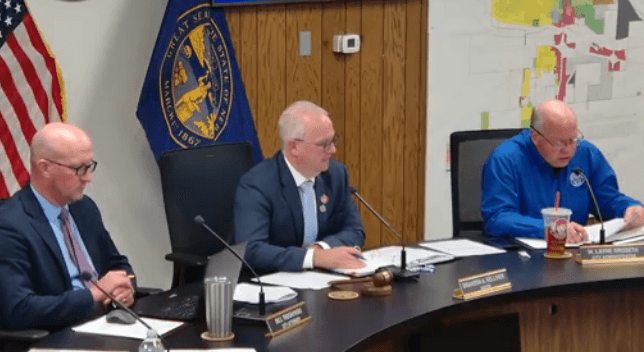
Atlanta's City Council unanimously voted to push forward with a 22-mile light rail project along the Beltline corridor, reviving a stalled transit vision. The council urged Mayor Andre Dickens and transit officials to deliver a detailed construction and funding plan by January 2027. A recent study pegged the project cost at roughly GPB $3.5 billion, though the vote does not lock in any funding or timeline.
The vote marks a turning point after more than 18 months of quiet from local leaders. The resolution now forces officials to examine building phases, station designs, ways to protect the Westside from gentrification, and how to connect the rail to existing transit Axios. Supporters say the rail could cut car use and pollution while boosting equity. Critics worry the project is inefficient and point to streetcar operating costs of $24 to $98 per passenger mile Trains.
Council Votes to Revive a Long-Stalled Transit Dream
The Atlanta City Council's unanimous vote signals new momentum after transit leaders sat silent on the Beltline rail idea for over a year. The resolution tells city and MARTA officials to get serious about planning: they must map out construction phases, study different starting points (the east or south side instead of a fixed origin), and figure out how to preserve the right of way for rail GPB.
Councilman Byron Amos pushed for safeguards to shield Atlanta's Westside from gentrification tied to the rail development Axios. The deadline of January 2027 gives planners roughly two years to produce a realistic roadmap. Until then, no money is committed and no shovels break ground.
The $3.5 Billion Price Tag Raises Hard Questions
A study valued the full Beltline light rail at about $3.5 billion WSB Radio, making it one of Atlanta's costliest transit bets. But the real sticker shock comes from operating costs. Critics cite estimates ranging from $24 to $98 per passenger mile — far higher than other transit options Trains.
The council vote does not promise to pay for the project. Officials will now hunt for cash from federal grants, state funds, and local sources. The implementation review may even consider phased construction, which could lower upfront costs but delay full service.
Equity Concerns Drive the Push for Accountability
Councilwoman Kelsea Bond argued that the Beltline has not yet lived up to its equity promise. The rail project, she said, is not guaranteed to help low-income residents unless the city makes deliberate policy choices Axios. Without protections, new transit can push out longtime residents through rising rents and property taxes.
The resolution's focus on protecting neighborhoods and ensuring broad transit access reflects growing frustration that past Beltline projects have benefited affluent areas most. Officials will now study station design and community needs as part of the planning process.
What Comes Next: Two Years to Prove the Plan Works
The January 2027 deadline is not construction day — it is the moment city leaders must show they have a workable plan. The study will examine how to build the rail in phases, connect it to MARTA's existing bus and train network, and design stations that serve the whole city GPB.
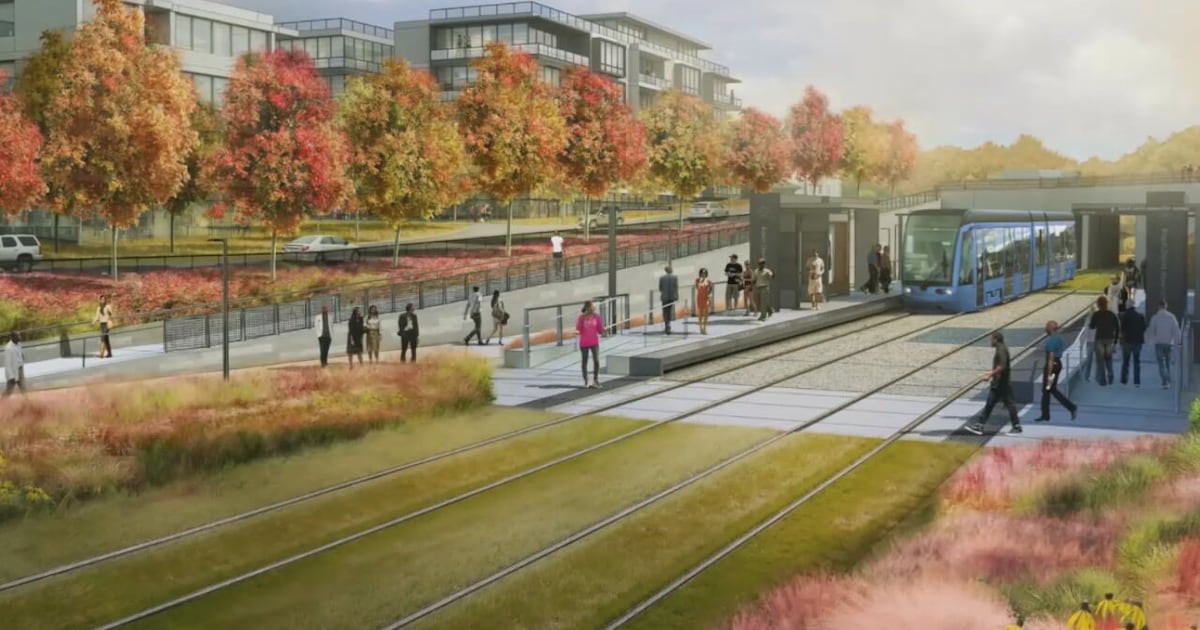
Officials will also test a "rails on grass" approach in some sections, blending the transit line with the Beltline's park function. The real test is whether planners can unlock funding and prove the rail makes sense for Atlanta's future — or whether the project remains a vision on paper.
Sentiment
Mostly NegativeNEGATIVENEUTRALPOSITIVE
Publishers
20
Articles
10
Reach
30
A
AnonymousAuthor