Arctic Energy Policy Divide
EU Maintains Arctic Oil And Gas Moratorium Despite Norwegian Energy Disagreements
Anonymous
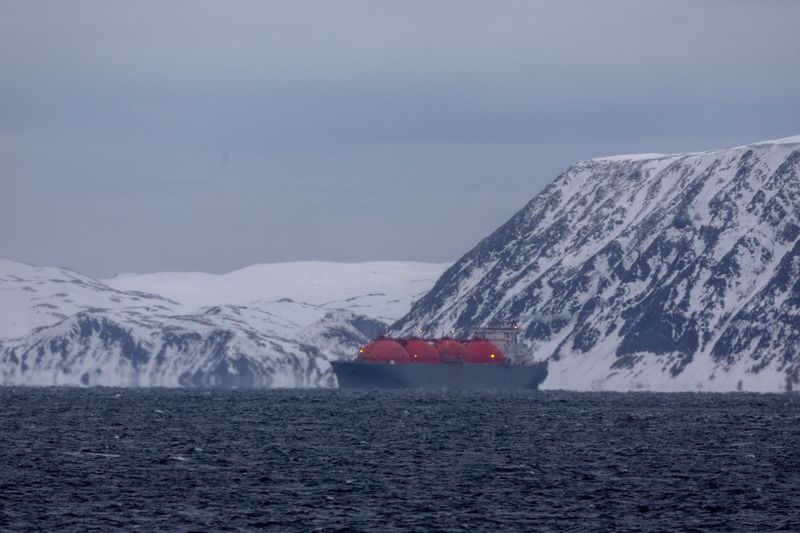
The European Commission will maintain its moratorium on new oil and gas development in the Arctic, reversing speculation that restrictions might be eased amid energy-security concerns and disruption to Middle Eastern supplies. The policy is intended to address climate change and environmental degradation while supporting sustainable economic development, and will be reflected in the EU’s updated Arctic strategy expected this autumn. The moratorium is not legally binding on Norway, which retains control over resources on its continental shelf and argues that Arctic production, including in the Barents Sea, helps ensure reliable energy supplies to Europe. Norway has expanded areas available for exploration and production and plans to award new licenses in early 2027, underscoring the policy divide between Brussels and one of its leading energy suppliers. Major investors have backed the EU’s position, saying renewable energy and electrification offer greater long-term resilience while reducing risks to vulnerable Arctic ecosystems.
Key Points
1
The EU’s current Arctic position dates to a joint communication issued on October 13, 2021, which proposed creating a legal obligation to leave Arctic oil, coal and gas in the ground.
2
Norwegian Foreign Minister Espen Bart Eide said Norway supports protecting vulnerable Arctic areas but rejects treating every territory north of the Arctic Circle as an automatic no-go zone for oil and gas exploration.
3
Norway’s APA 2026 licensing round attracted applications from 21 companies, while the government expanded the available licensing area by 70 blocks or parts of blocks across the North Sea, Norwegian Sea and Barents Sea.
4
The European moratorium would not directly bind Norway, but the European Commission’s position could discourage EU-based energy companies from investing in Arctic oil and gas projects and signal the bloc’s longer-term intention to move away from the region’s hydrocarbons.
5
Norwegian Energy Minister Terje Aasland argued that Norway—not the EU—controls decisions over Norwegian resources, saying, “Without Norwegian deliveries, the energy situation in Europe would be far more difficult,” including supplies from the Barents Sea.
Sentiment
Mostly NegativeNEGATIVENEUTRALPOSITIVE
Publishers
11
Articles
68
Reach
79
A
AnonymousAuthor


