Aviation Milestone Reached
Embraer delivers its two-thousandth E-Jet, cementing its position among the world's top aircraft families.
Anonymous
Key Points
1
Azul Linhas Aéreas, the launch customer for the E195-E2, received Embraer’s 2,000th E-Jet; Azul has built a substantial E-Jet fleet (more than 140 aircraft) since starting operations in 2008, with the first E195-E2 delivered in 2019.
2
Embraer’s E-Jet family is now one of the world’s top three commercial jet programs, ranking third behind Airbus A320 and Boeing 737; the trend is underscored by Boeing’s 737 losing its historical top-seller status to the A320 in July 2025.
3
The Bombardier CRJ program was ended in 2020 after its sale to Mitsubishi Heavy Industries, clearing the path for Embraer’s E-Jets to cement their position as a leading regional/juxtaposed mid-size jet family.
4
The E2 variant’s extended range enables 2,000+ nautical mile routes, opening nonstop connections in niche markets; examples include Cape Town to Mauritius (2,226 nm) and Ulaanbaatar to Phu Quoc (2,245 nm), with seating for 124 passengers.
5
Embraer executives frame the milestone as evidence of the E-Jets’ role in connecting communities and enabling sustainable airline growth, with leadership highlighting the program’s long-term partnerships and impact on global connectivity.
Embraer delivered its 2,000th E-Jet to Azul Linhas Aéreas, a milestone that vaults the Brazilian jet maker into the world's top three commercial aircraft families The Traveler. The aircraft, an E195-E2, joins only the Airbus A320 and Boeing 737 ahead of it. The delivery marks two decades of growth for a program that has operated with more than 90 airlines across 60+ countries, accumulated 48 million flight hours, and carried over 2.85 billion passengers Travel and Tour World.
Azul, Brazil's largest airline by destinations served, launched the E195-E2 variant in 2019 and now operates more than 140 E-Jets Travel Daily News. The E2 variant's extended range unlocks 2,000+ nautical mile nonstop routes in thin markets — routes most carriers couldn't fill before. The milestone reflects rising demand for aircraft that connect small communities while staying profitable for airlines.
How the E-Jet Conquered Regional Aviation
The E-Jet family launched two decades ago and steadily became the preferred aircraft for regional and mid-size routes. After Bombardier ended its competing CRJ program in 2020, Embraer faced no serious rival Travel and Tour World. Today, the E-Jet operates in over 60 countries with airlines ranging from tiny carriers to major network operators.
Azul's partnership with Embraer spans from the airline's 2008 founding. The carrier has steadily grown its E-Jet fleet and now relies on the aircraft to reach secondary cities across Brazil. This strategy transforms routes that other airlines abandon into profitable market segments for Azul The Traveler.
The E2's Range Opens Untapped Markets
The newer E2 variant extends the E-Jet's reach dramatically. With 124-seat capacity and 2,000+ nautical mile range, airlines can now fly routes like Cape Town to Mauritius (2,226 nm) and Ulaanbaatar to Phu Quoc (2,245 nm) nonstop Travel Daily News. These thin-market routes generate profit margins that older regional jets could never achieve.
Carriers like Airlink and Hunnu Air use the E195-E2 to connect island nations and remote hubs. The aircraft lets small airlines compete on long-haul routes previously reserved for major carriers. This democratization of regional flying reshapes how air networks grow globally.
Global Demand Drives More E-Jet Orders
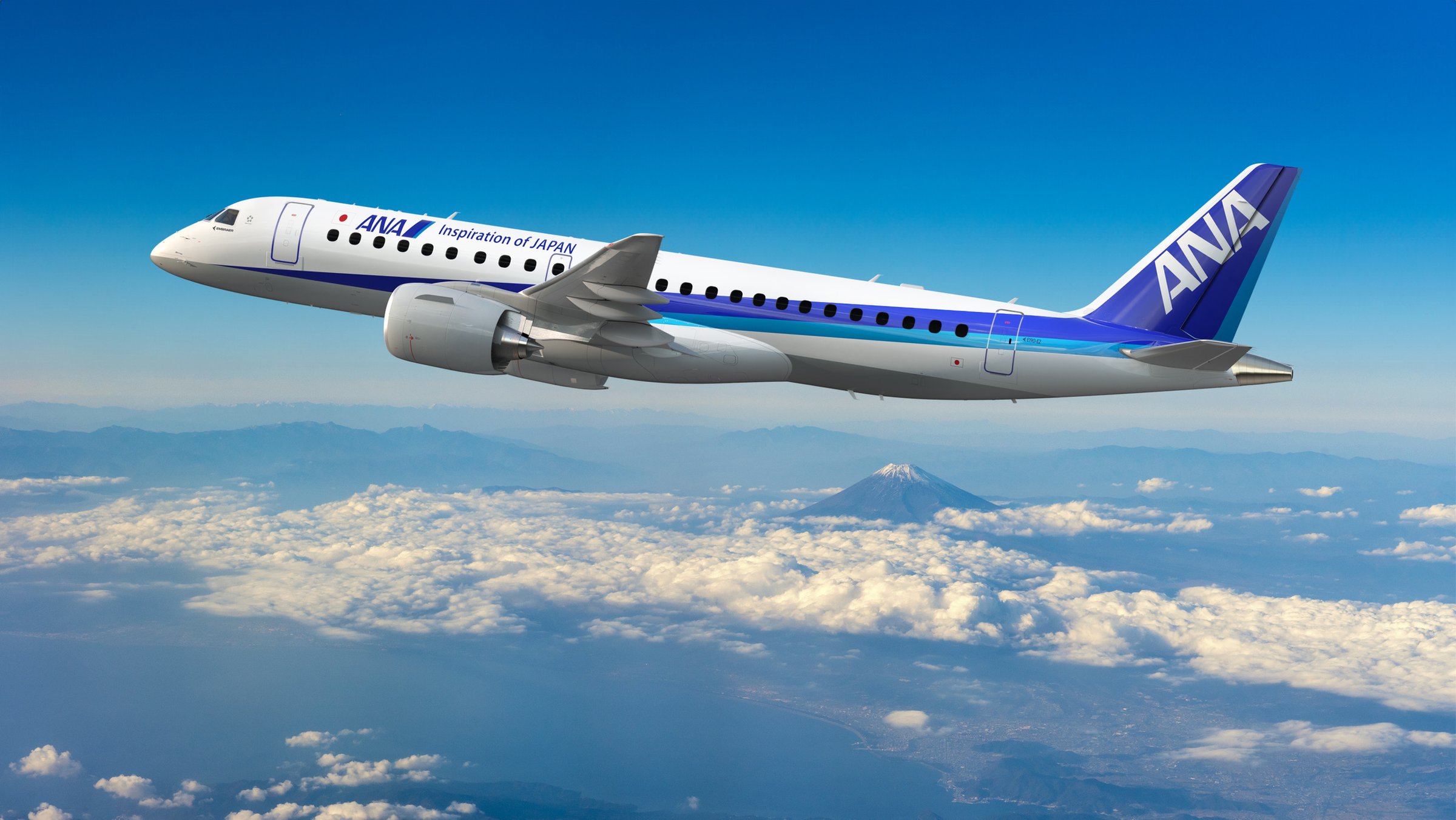
Airlines worldwide are betting on the E-Jet. In 2025, All Nippon Airways expanded its E190-E2 order to 23 jets total TipRanks, signaling confidence in the aircraft's efficiency and market fit. The expansion follows earlier purchases and reflects Asia-Pacific demand for regional connectivity.
The 2,000th delivery comes as the market pivots toward fuel-efficient, flexible jets that serve both dense routes and sparse networks. Embraer executives frame the milestone as proof of the E-Jets' staying power and the program's two-decade track record of profitability for customers Travel and Tour World.
Sentiment
Mostly PositiveNEGATIVENEUTRALPOSITIVE
Publishers
13
Articles
29
Reach
42
A
AnonymousAuthor


