MAX 7 Certified: A New Milestone for Boeing
Boeing's 737 MAX 7 Receives FAA Certification After Years of Scrutiny
Anonymous
Key Points
1
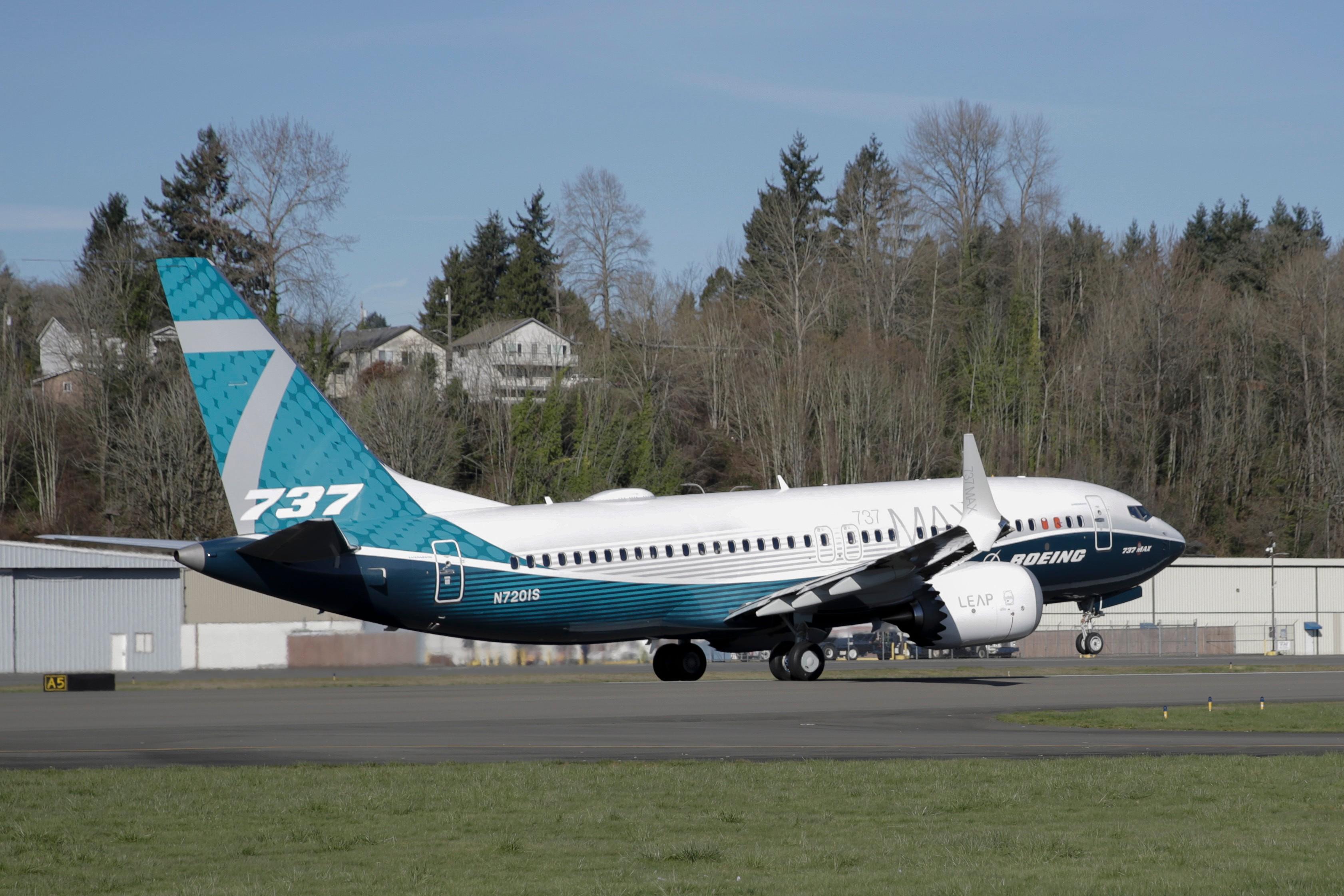
The 737-7 is promoted as the most fuel-efficient in its class, with about 20% lower fuel consumption and CO2 emissions and a 50% quieter noise footprint, along with design optimizations for hot/high-altitude airports.
2
Regulators and Boeing moved the program forward through formal production-readiness steps, including an amended type certificate and an updated production certificate to include the 737-7.
3
Southwest Airlines remains the launch customer with a large MAX-7 order book (well over 260 aircraft after some conversions to other MAX variants) and plans for a substantial number of deliveries by year-end, though current schedules show no operation in 2026 and possible service entry in 2027.
4
The certification followed nearly a decade of testing after safety incidents; it was originally slated for 2019 but was delayed due to the Lion Air and Ethiopian Airlines crashes, illustrating the extended regulatory scrutiny surrounding the program.
The Federal Aviation Administration has certified the Boeing 737 MAX 7 for commercial flight, clearing the smallest MAX variant to carry passengers after years of delays, according to Freedom 96.9. The approval ends a certification process that stretched nearly a decade, originally targeting 2019 before two fatal crashes grounded the entire MAX program.
The 737 MAX 7 seats 135 to 160 passengers and can fly up to 3,800 nautical miles. Southwest Airlines, the launch customer, holds an order book of more than 260 aircraft and now stands first in line for deliveries, River Bender reported.
Safety Upgrades Drove Years of Extra Testing
The FAA certification came with significant design changes, according to Mezha. Boeing redesigned the engine anti-ice system, updated its flight-control software, and upgraded the crew-alerting system. These fixes addressed concerns raised after the 2018 Lion Air and 2019 Ethiopian Airlines crashes, which killed 346 people and grounded MAX jets worldwide.
Regulators also required Boeing to complete formal production-readiness steps. The FAA issued an amended type certificate and updated Boeing's production certificate to include the 737 MAX 7. Yahoo News noted the process took close to ten years from first introduction to final approval.
Southwest Airlines Eyes Deliveries but Service May Slip to 2027
Southwest Airlines remains the launch customer and plans to take a substantial number of 737 MAX 7 deliveries by year-end. However, current schedules show no MAX 7 operations in 2026. Actual passenger service may not begin until 2027, depending on production output and final regulatory steps, Freedom 96.9 reported.
Southwest has converted some of its MAX 7 orders to other MAX variants, but still holds well over 260 aircraft on order. The airline has long positioned the MAX 7 as a replacement for its older Boeing 737-700 jets, which seat a similar number of passengers.
MAX 7 Claims Fuel Savings and Quieter Footprint Over Rivals
Boeing markets the 737 MAX 7 as the most fuel-efficient jet in its size class. The plane burns about 20% less fuel and produces 20% fewer CO2 emissions than older comparable aircraft, according to CA Yahoo News. Its noise footprint is also 50% smaller, a key selling point for routes near noise-sensitive airports.
The jet is also designed for hot and high-altitude airports, where thin air reduces engine performance. That range and efficiency combination makes it attractive for smaller fleets flying thinner routes that larger jets cannot serve as cheaply.
Boeing Still Working to Certify the Larger MAX 10
The MAX 7 certification is a milestone, but Boeing is not finished. The company is still working to certify the 737 MAX 10, the largest member of the family. Regulators and Boeing are trying to align on a timeline as the company works to rebuild trust after years of safety and manufacturing problems, Mezha reported.
The broader MAX program has faced intense scrutiny since the two fatal crashes. Boeing has since overhauled its safety culture and quality controls. The MAX 7 approval gives the company a clear signal that regulators are willing to move forward, one aircraft at a time.
Sentiment
Mostly PositiveNEGATIVENEUTRALPOSITIVE
Publishers
24
Articles
105
Reach
129
A
AnonymousAuthor


