Supreme Court Flags 10-Fold Cancer Drug Price Gap
Supreme Court Flags 10-Fold Cancer Drug Price Gap
Anonymous
Key Points
1
The proceedings involved two petitions, including one filed by Dr. Sanjay Kulshreshtha alleging that pharmaceutical companies deliberately inflate medicine prices and seeking stronger controls over essential drugs.
2
One petition also raised the issue of requiring registered medical practitioners to prescribe generic medicines, with the petitioner emphasizing that fixing medicine MRPs was critical.
3
Additional Solicitor General K. M. Nataraj, representing the Centre, told the bench that the government did not view the proceedings as adversarial litigation.
4
The reported price gap reflects different stages of the medicine supply chain: PTR is the manufacturer’s or marketer’s price to a retailer, while MRP is the regulated maximum price printed on the package. The National Pharmaceutical Pricing Authority uses PTR as an important reference in its pricing framework.
5
The bench underscored the financial pressure on patients, saying that people may be forced to sell their homes or jewelry to afford treatment: “People sell their houses, ornaments to get treatment.”
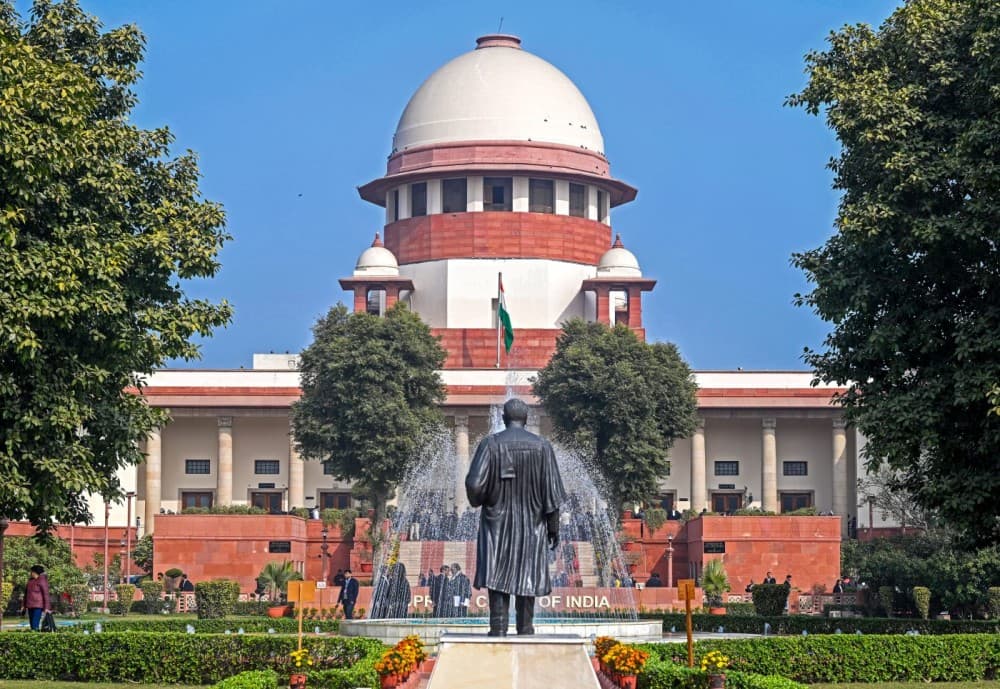
India's Supreme Court slammed pharmaceutical companies for a staggering 10-fold markup on cancer medicines, calling it "broad daylight dacoity" against patients. Hindustan Times reported that one cancer drug costs just ₹2,700 for retailers to buy but carries a maximum retail price of ₹27,000 — meaning patients pay ten times what sellers paid the manufacturer. Justices Vikram Nath and Sandeep Mehta questioned why regulators had allowed such extreme pricing gaps to persist on life-saving drugs.
The court warned that inflated drug prices don't just hurt patients — they burden taxpayers when treatment gets reimbursed through government health schemes like Ayushman Bharat. Moneycontrol noted that the bench emphasized patients' desperation: "People sell their houses, ornaments to get treatment." The court has not yet issued a final ruling and will hear the case again on September 29.
Why the Price Gap Exists
The 10-fold gap reflects how drug supply chains work. OMM Comm News explained that PTR (Price to Retailer) is what manufacturers charge stores to buy medicine. MRP (Maximum Retail Price) is the regulated price printed on the package that customers pay. The National Pharmaceutical Pricing Authority uses PTR as a key reference for its pricing rules, but the court questioned whether this system lets companies exploit loopholes to set astronomical final prices.
Petitions Push for Stricter Drug Price Controls
The hearings stem from two petitions seeking tighter regulation of medicine pricing. Dr. Sanjay Kulshreshtha filed one petition alleging that pharmaceutical companies deliberately inflate prices on essential drugs and demanding stronger government controls. The petitions also push for doctors to prescribe generic medicines instead of brand-name drugs, arguing that fixed MRPs on generics would reduce patient costs significantly.
Government Takes Neutral Stance in Court
India's Additional Solicitor General K. M. Nataraj told the bench that the Centre does not view these proceedings as a formal adversarial lawsuit. Moneycontrol reported this statement, suggesting the government may be open to dialogue rather than taking a hard position defending current pricing practices. The court's aggressive language — calling the pricing practice "dacoity" (robbery) — signals judicial pressure on regulators to act.
Sentiment
Mostly NegativeNEGATIVENEUTRALPOSITIVE
Publishers
22
Articles
21
Reach
43
A
AnonymousAuthor