Lexus and Volvo Expand Electrified SUV Strategies
Lexus and Volvo Expand Electrified SUV Strategies
Anonymous
Key Points
1
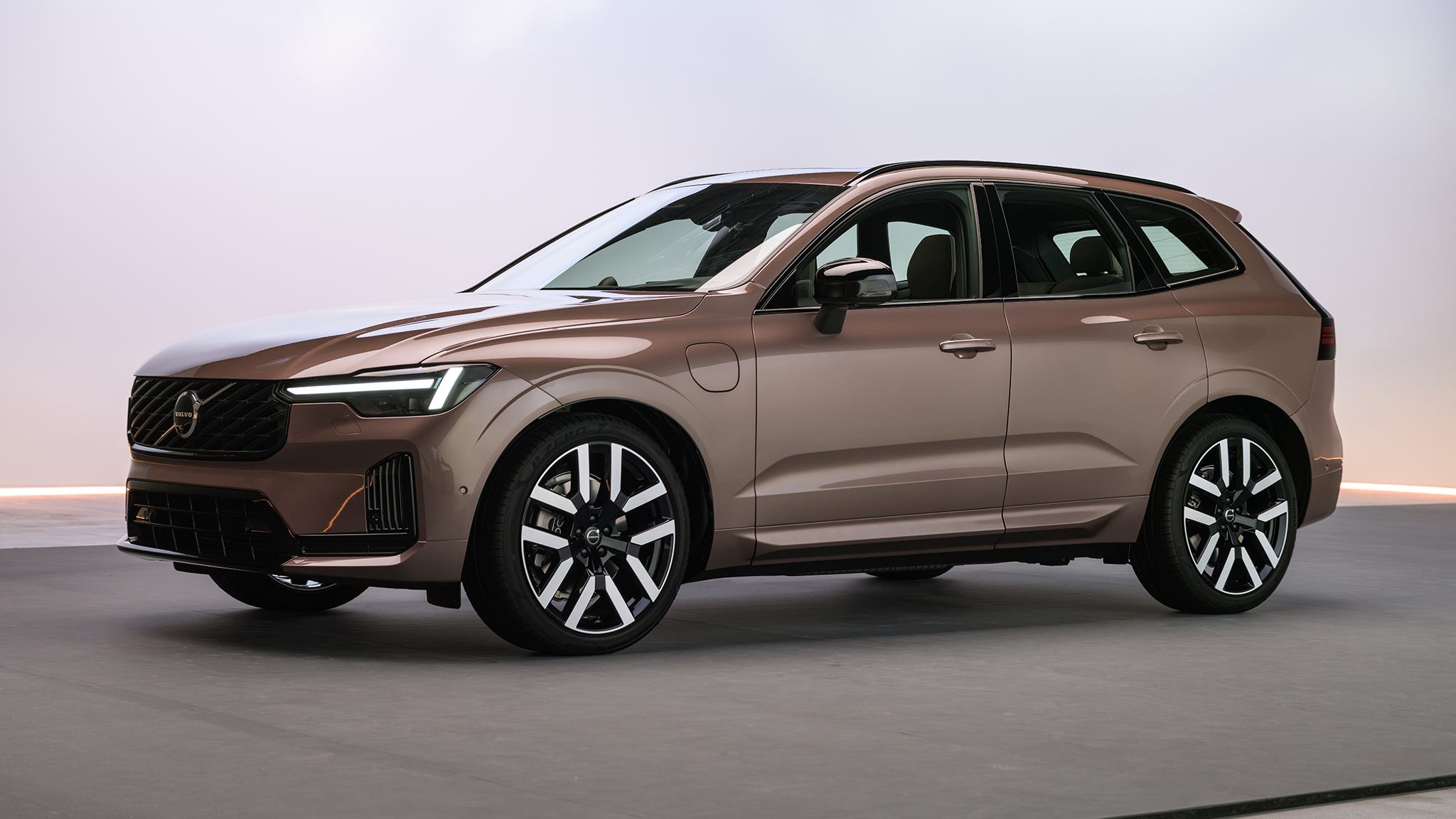
The 2028 Volvo XC60 plug-in hybrid will retain its 2.0-liter turbocharged four-cylinder engine and electric motors, but gain a 41.2-kWh battery pack with 37.9 kWh usable capacity. System output remains 455 horsepower, while 0–60 mph takes 4.5 seconds.
2
Volvo’s updated 2028 XC90 plug-in hybrid is expected to deliver 73 miles of electric range and 560 miles of total range, while its three-row layout distinguishes it from the five-passenger XC60.
3
The 2026 Volvo EX40’s exterior changes include redesigned Thor’s Hammer Matrix LED headlights, a revised front fascia and black trim around the badge, alongside new cabin trims and an updated infotainment system.
4
The 2028 XC60 refresh is intended to extend the current generation’s production run rather than replace it; the model first went on sale in 2018 and became Volvo’s bestseller. The update also adds Matrix LED headlights designed to reduce glare for oncoming drivers.
5
Volvo will continue offering a non-plug-in B5 mild-hybrid version of the XC60, producing 247 horsepower and 266 pound-feet of torque, with an EPA rating of 26 mpg combined.
Lexus and Volvo are doubling down on electrified SUVs, but taking different paths to reach buyers hesitant about full-electric vehicles. Volvo is adding massive battery packs to plug-in hybrids, with its redesigned 2028 XC60 and XC90 models offering up to 78 miles of electric-only driving while keeping gas engines as backup AutoConnectedCar. Lexus is rolling out an expanded lineup including the refreshed 2026 RZ battery-electric SUV and updated hybrid models like the NX 450h+ and UX 300h.
Both brands are responding to the same market reality: consumers want electric driving without range anxiety. Volvo abandoned its 2030 all-electric goal in September 2024, pivoting to "electrified" vehicles that blend battery and gas power AutoConnectedCar. Lexus is embracing what Toyota calls a multi-pathway strategy, offering mild hybrids, plug-in hybrids, and dedicated EVs side by side.
Volvo's Super-Hybrid Strategy Replaces All-Electric Plans
Volvo's refreshed 2028 XC60 plug-in hybrid marks a major shift. It packs a 41.2-kWh battery—double the size of older plug-in hybrids—while keeping its 2.0-liter turbocharged engine AutoConnectedCar. The result: 78 miles of pure electric range, 590 miles total range, and 455 horsepower with 0–60 mph in 4.5 seconds. The bigger XC90 plug-in hybrid delivers 73 miles of electric range and 560 miles total.
The company is skipping the 2027 model year and extending current platform lifespans with styling updates and new infotainment screens instead of full redesigns AutoConnectedCar. Volvo also canceled the low-volume EX40 electric SUV in North America, betting that long-range plug-in hybrids will satisfy more buyers in the near term while it waits for cheaper EV platforms to arrive in late 2027.
Lexus Refreshes Battery-Electric RZ With Range Improvements
Lexus unveiled the redesigned 2026 RZ lineup in early 2026, addressing earlier complaints about range and charging AutoConnectedCar. The entry RZ 350e delivers 221 horsepower and up to 301 miles of range. The midrange RZ 450e AWD produces 308 horsepower and 264 miles. The high-performance RZ 550e F Sport hits 402–408 horsepower, accelerates 0–60 mph in 4.1 seconds, and achieves roughly 229 miles of real-world range.
All 2026 RZ models now offer front-wheel and all-wheel-drive options with improved charging technology and updated Google-powered infotainment. The refresh keeps Lexus competitive in the luxury electric SUV segment while the brand continues selling parallel plug-in hybrid and mild-hybrid versions of larger models like the NX 450h+ and UX 300h.
Updated Volvo XC40 and EX40 Gain Style and Safety Upgrades
Volvo's 2026 XC40 and EX40 models receive a comprehensive refresh announced in September 2026. The XC40 hybrid gets redesigned Thor's Hammer LED headlights, revised front fascia styling, updated cabin trims, and new infotainment systems. The EX40 electric model gets matching design updates but faces an uncertain future in North America, where Volvo is discontinuing it.
Akhil Krishnan, interim lead for the 30 and 40 series, stated: "By enhancing the XC40's design, technology and safety features, we've created the best version of the XC40 yet. This already popular model is now set to continue being one of our best-selling cars for years to come." Volvo is prioritizing the XC40 hybrid because it already sells well, unlike the EX40 electric variant.
Why Automakers Are Slowing the EV-Only Transition
Volvo's strategic retreat reflects a broader industry adjustment. Charging infrastructure gaps, the elimination of $7,500 federal EV tax credits for certain models, and sluggish consumer adoption of pricey EVs forced the company to rethink its 2030 all-electric pledge AutoConnectedCar. Plug-in hybrids with 70+ miles of electric range can handle most daily commutes while eliminating range anxiety for occasional long drives.
Lexus and parent company Toyota view this market correction as validation of their original multi-pathway strategy, which has always included hybrids, plug-in hybrids, and battery-electric vehicles in parallel. Rather than chasing a single technology, both brands are letting consumer preferences dictate which powertrain dominates in each market segment over the next five years.
Sentiment
Mostly PositiveNEGATIVENEUTRALPOSITIVE
Publishers
25
Articles
24
Reach
49
A
AnonymousAuthor


