Doubled Electric Range
Volvo Substantially Upgrades XC60 and XC90 Plug-In Hybrid Driving Ranges
Anonymous
Key Points
1
The larger battery increases kerb weight by 47 kg on the XC60, to 2,197 kg, and by 36 kg on the XC90, to 2,386 kg. Despite the added mass, stronger rear motors improve claimed 0–100 km/h times to 4.8 seconds for the XC60 and 5.2 seconds for the XC90.
2
The updated powertrains produce up to 461 hp and 759 Nm in the XC60, and 461 hp and 751 Nm in the XC90. In both vehicles, the gasoline engine drives the front wheels while rear-axle electric motors provide all-wheel drive.
3
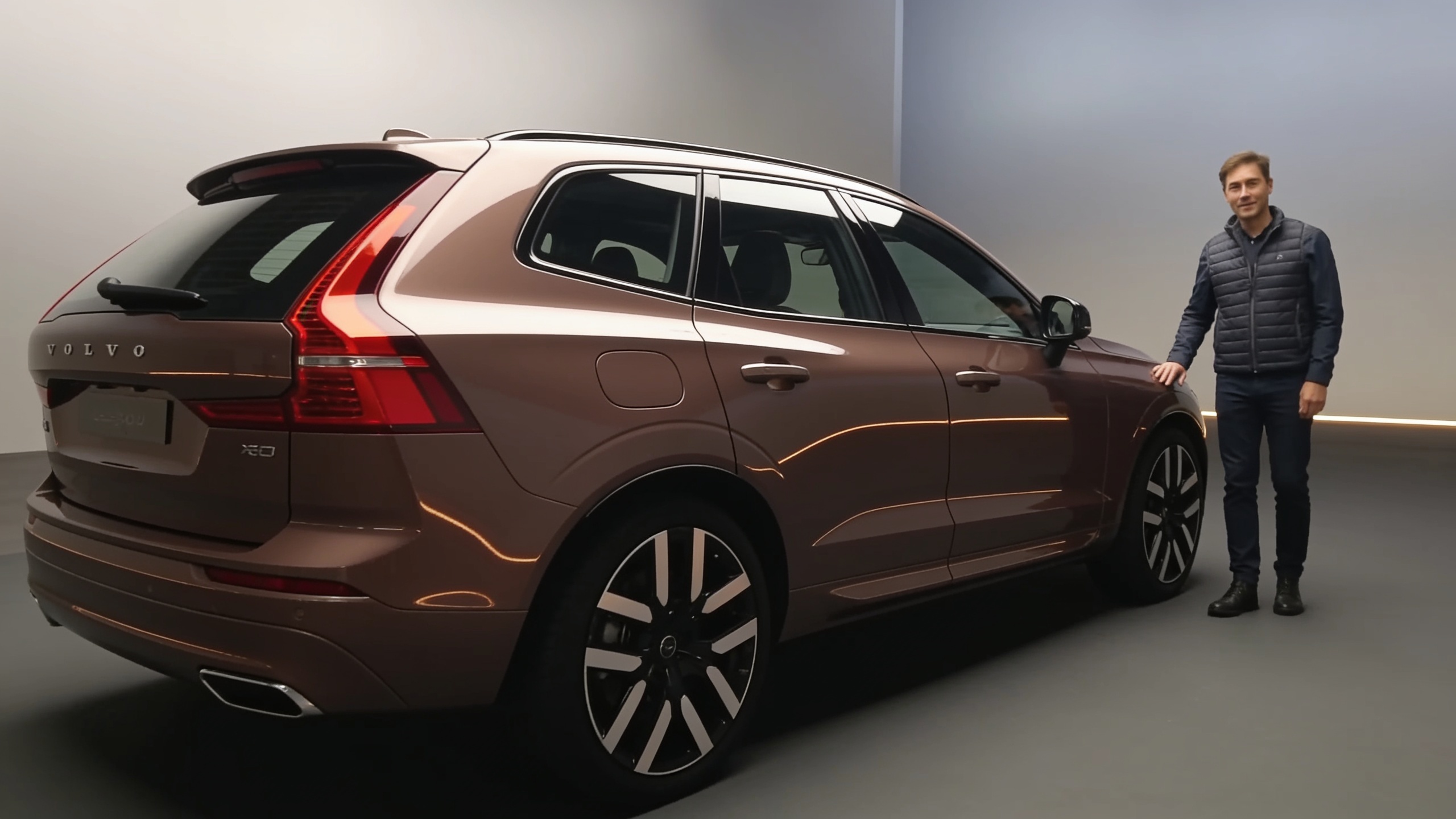
The XC60’s lighting revisions include Matrix LED headlights that can adapt their beams to avoid dazzling oncoming drivers; its rear lights use slim red LEDs in black housings designed to look “drawn with a pen of light.”
4
The new XC60 battery has 37.9 kWh of usable capacity, while Volvo says the XC90 can cover about 73 miles and the XC60 about 78 miles on electric power alone—enough for many owners to complete most routine daily driving without starting the gasoline engine.
5
Volvo does not currently offer these long-range plug-in-hybrid versions in India, where the XC60 and XC90 instead use 48-volt mild-hybrid systems paired with a 2.0-liter engine producing 250 hp and 360 Nm.
Volvo has substantially upgraded its XC60 and XC90 plug-in hybrids with larger 41-kWh battery packs, more than doubling electric driving range and signaling a strategic shift away from its previous all-electric-by-2030 goal. TechTimes reports the XC60 can now travel up to 200 km (78 miles) on electricity alone, while the XC90 offers 162–164 km (73 miles)—enough for most owners to skip the gas engine on daily commutes.
The 41.2-kWh battery replaces the old 19-kWh unit, adding 47 kg to the XC60 and 36 kg to the XC90, yet DesignNews notes stronger rear electric motors actually improve acceleration to 4.8 seconds (0–100 km/h) and 5.2 seconds respectively. Both SUVs retain a 2.0-liter turbo engine and all-wheel drive, producing up to 461 horsepower and 759 Nm of torque.
Volvo Ditches EV-Only Vision for Hybrid Bridge
Volvo previously committed to becoming fully electric by 2030, but softening consumer demand and charging infrastructure gaps forced a rethink. Driven reports the company now frames plug-in hybrids as essential "bridging technology" during the transition. CEO Jim Rowan explained that markets move at different adoption paces and "the shift to electrification will not be linear."
By extending the current-generation XC60 and XC90 platforms with larger batteries, Volvo stretches the lifespan of existing designs while maintaining sustainability credentials. Russpain highlights that the move lets dealers push a stronger electrified lineup—both pure battery-electric models like the EX60 and these new long-range hybrids—without forcing premature platform retirement.
Styling and Tech Upgrades Keep XC60 Fresh
The XC60 receives a comprehensive visual refresh. Matrix LED headlights adapt their beams to avoid dazzling oncoming drivers, while HeadTopics notes the rear lights now use slim red LEDs in black housings designed to look "drawn with a pen of light." An 11.2-inch Google-based infotainment system with Gemini AI integration and expanded driver-assistance technology complete the package.
The XC90's update focuses primarily on powertrain changes; styling and interior tweaks are minimal. Both SUVs combine gas-powered front wheels with rear electric motors for all-wheel drive, giving buyers the safety and capability of Volvo's traditional formula with extended zero-emission city range.
Battery Size Leap Transforms Daily Driving
The jump from 19 kWh to 41.2 kWh usable capacity is game-changing. TechTimes and DesignNews confirm that the XC60 and XC90 now deliver 78 and 73 miles of EPA-equivalent electric range respectively—roughly five to six times the previous generation. That 37.9 kWh usable capacity means most owners can complete routine errands, commutes, and school runs entirely on electricity if they charge overnight at home.
Combined with the gas engine, total range climbs to 590 miles (XC60) and 560 miles (XC90). Home Level 2 charging requires 4–6 hours at 16A/240V, though Driven notes Volvo dropped DC fast-charging support—a trade-off for simplicity and cost that may frustrate owners who lack home chargers.
Regional Strategies Reflect Market Differences
Volvo's long-range PHEV upgrade targets North America and Europe, where charging infrastructure and customer demand justify the higher cost. In India, however, the company continues offering 48-volt mild-hybrid versions paired with a 2.0-liter engine producing just 250 hp and 360 Nm—a simpler, cheaper alternative suited to different market conditions and fuel economy regulations.
Sentiment
Mostly PositiveNEGATIVENEUTRALPOSITIVE
Publishers
63
Articles
40
Reach
103
A
AnonymousAuthor


