Navigate Nutrition Science
Jonathan Spitz's New Book Clarifies Nutrition Science, Traces History, and Promotes Plant-Based Health
Anonymous
Key Points
1
Jonathan Spitz is described in the articles as an award-winning author and independent researcher.
2
The coverage frames current nutrition debates (for example, paleo vs plant-based and low-carbohydrate vs high-carbohydrate approaches) as the context in which Spitz's book aims to cut through confusion.
3
The book's promotion is being carried by a broad set of regional outlets, indicating syndicated distribution across multiple local media networks (Wyoming, East Coast, Juneau, Pilot News, and KBew98Country Lifestyle).
4
Several articles note that the book emphasizes not only what scientists concluded but also how those conclusions were reached, underscoring the iterative nature of scientific discovery and revision.
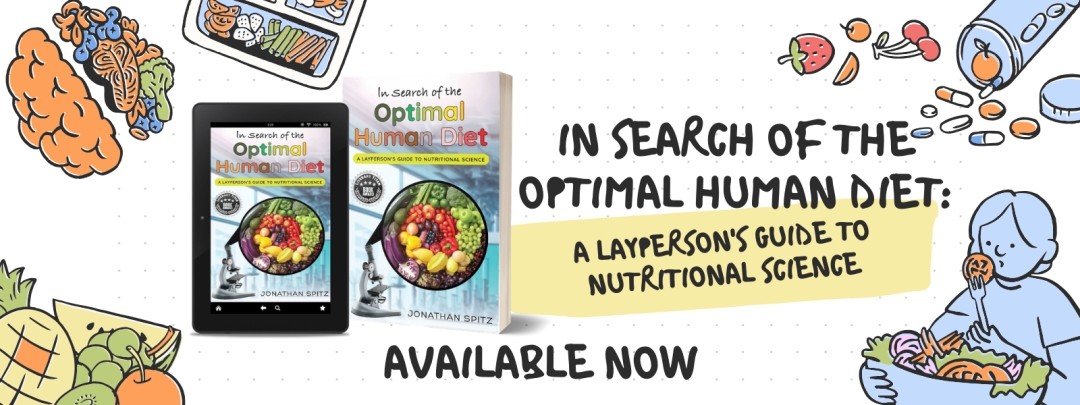
A new book is pushing back against the chaos of modern diet culture — paleo vs. plant-based, low-carb vs. high-carb — by going back to the science itself. Financial Content reports that *In Search of the Optimal Human Diet: A Layperson's Guide to Nutritional Science*, by award-winning author and independent researcher Jonathan Spitz, traces nutrition science from 18th-century experiments all the way to today's microbiome research.
Rather than prescribing a specific diet plan, the book equips readers with the tools to judge nutrition claims for themselves. It covers how science links diet to heart disease, diabetes, cancer, and obesity — and makes the case for whole, plant-based foods as a foundation for long-term health.
From Scurvy Cures to Metabolic Science: The Book's Historical Arc
Spitz opens the story in the 1700s with James Lind, who discovered that citrus fruit could prevent scurvy. From there, KBEW 98 Country reports, the book moves through landmark discoveries by Antoine Lavoisier, who first measured how the body burns energy, and Justus von Liebig, who identified proteins, fats, and carbohydrates as the three main nutrients.
Later chapters bring in Hans Krebs, who mapped how cells convert food into energy. The book also covers modern researchers like T. Colin Campbell, Dr. Dean Ornish, and Dr. Michael Greger. Each scientist's work is placed inside a bigger story about how nutrition knowledge builds — and sometimes gets corrected — over time.
Science as a Process, Not a Final Answer
One of the book's core ideas is that nutrition science is always evolving. Financial Content notes that Spitz focuses not just on what scientists concluded, but on *how* they reached those conclusions. That includes the experiments they ran, the measurements they made, and the times they had to revise their thinking as new evidence came in.
This approach is meant to help readers spot bad science — and good science. Instead of telling people what to eat, Spitz teaches the logic behind the research. That way, readers can evaluate the next diet trend themselves, rather than just following whoever shouts the loudest.
Plant-Based Foods Emerge as the Evidence-Backed Answer
While the book avoids promoting a single fad diet, it does reach a conclusion. The science, Spitz argues, consistently points toward whole, plant-based foods as the best option for long-term health. The book ties this dietary pattern to lower rates of cardiovascular disease, type 2 diabetes, certain cancers, and obesity, and links it to better odds of a longer life.
The book also explores the microbiome — the trillions of bacteria living in the gut — and how plant-rich diets support it. This is one of the newer areas of nutrition research, and Spitz places it alongside older discoveries to show how the field keeps growing.
Syndicated Buzz Points to Wide Readership Interest
The book's release has been picked up by a wide range of regional outlets, from Wyoming radio stations to East Coast lifestyle sites to Alaska's Juneau-area media. That kind of broad, syndicated coverage suggests strong interest from general readers — not just health professionals — who are tired of conflicting diet advice and want a clearer framework.
A review from Literary Titan calls the book a clear walk-through of the history behind nutritional science. Capital City Rock reports the work is aimed squarely at lay readers — people with no science background who still want to make smarter decisions about what they eat.
Sentiment
Mostly PositiveNEGATIVENEUTRALPOSITIVE
Publishers
10
Articles
21
Reach
31
Topics
A
AnonymousAuthor


