Burnham's Trump Stance
Prime Minister Burnham Vows to Defend Britain's National Interest in Dealings with President Trump
Anonymous
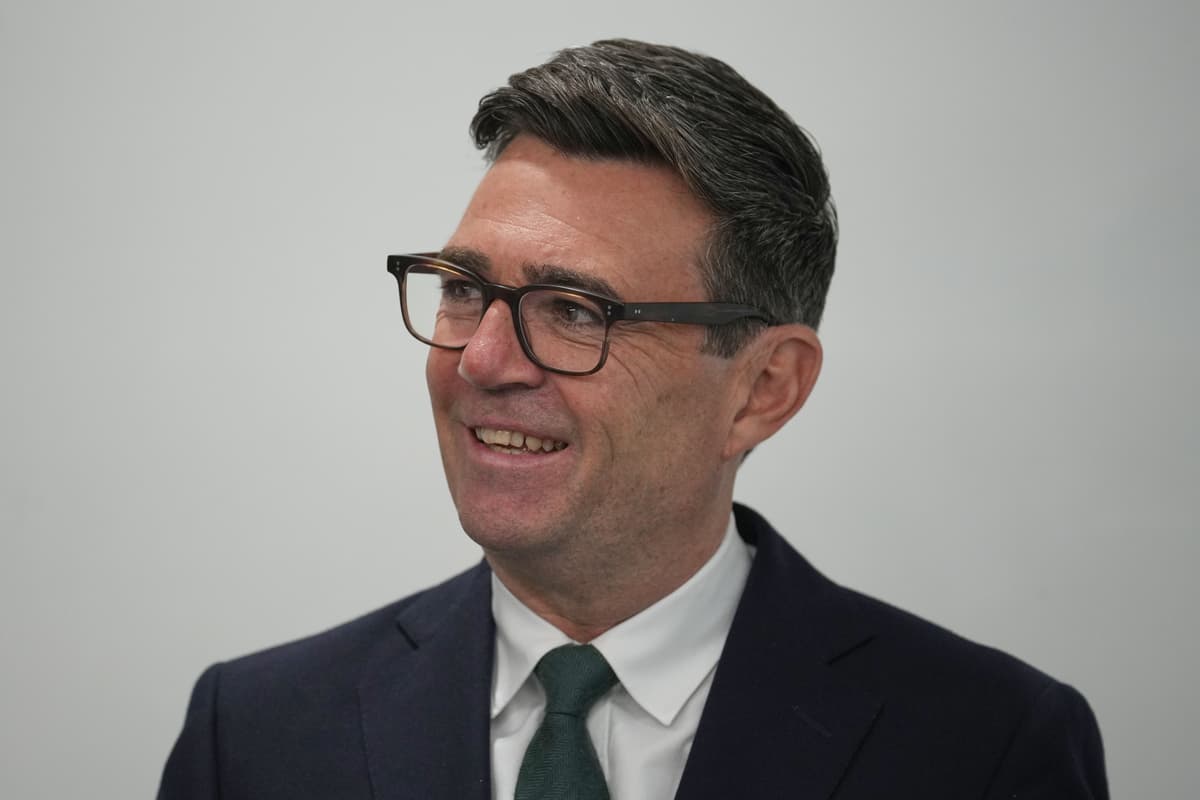
Andy Burnham took office as UK Prime Minister and spoke with US President Donald Trump by phone within his first hour in Downing Street. Burnham made clear he will put Britain's national interest first in all dealings with Trump — even when the two men disagree. Evening Standard reported the call came as UK-US relations were already under strain over the Iran conflict.
The new prime minister's early contact with Washington signals an effort to reset a relationship that had grown tense under his predecessor, Sir Keir Starmer. Burnham's government is now navigating a delicate balance: staying close to its most important ally while standing firm on British priorities.
Burnham Sets a Firm Tone With Trump From Day One
Speaking to the BBC's Sunday programme, Burnham said he was ready to work with Trump but would not put the relationship above Britain's interests. The message was direct: disagreement is possible, but British priorities come first. Belfast Telegraph reported the phone call happened within an hour of Burnham arriving at Downing Street — a fast start by any measure.
The speed of the call shows both leaders wanted an early connection. Trump and Burnham's relationship will be closely watched. The two countries share deep defence and trade ties. But the Iran conflict has already created friction that the new prime minister will have to manage carefully.
UK-US Relations Frayed Under Starmer Over Iran
Relations between London and Washington had become "increasingly fractious" before Burnham took over, according to Yahoo News. The flashpoint was the conflict in Iran. Starmer's government and the Trump administration clashed over how to respond to the crisis, straining a partnership that both sides usually describe as a "special relationship."
Burnham now inherits that tension. He must reassure Washington of Britain's commitment while pushing back where British interests demand it. The Iran conflict is still live, which means the new prime minister has no time to ease into the role.
New Defence Secretary Holds Warm Talk With Hegseth
New Defence Secretary Wes Streeting also moved quickly. He held what was described as a "very warm conversation" with US Defence Secretary Pete Hegseth, according to Evening Standard. The two men discussed the situation in the Strait of Hormuz — a critical shipping lane now disrupted by the Iran conflict — and Britain's commitment to its Nato obligations.
The tone of that call contrasts with the friction seen under the previous government. A warm exchange between defence chiefs could help smooth relations at a time when military coordination matters most. The Strait of Hormuz situation affects global oil supplies, making it a top priority for both nations.
Defence Spending Target Left Without a Clear Deadline
Burnham faced tough questions about defence spending on his first day. The UK currently spends around 2.3% of GDP on defence. Nato has pushed members to hit 3%. But Burnham did not set a timetable for reaching that level, according to Irish News. Critics will press him for a firm date, especially as the Iran conflict raises pressure on allied defence budgets.
The lack of a deadline is a political risk. Trump has repeatedly demanded that Nato allies spend more. If Burnham cannot give a clear answer on timing, it could become a point of friction in an already complicated relationship with Washington.
Sentiment
NeutralNEGATIVENEUTRALPOSITIVE
Publishers
5
Articles
4
Reach
5
A
AnonymousAuthor


