Public Control Push
Andy Burnham Argues Public Control of Essential Services Drives Economic Growth
Anonymous
Trending on XNicaragua Electoral Reform Excluding Opposition
Key Points
1
Burnham is reportedly considering laws to make it easier to put troubled utilities into insolvency proceedings and then place them under government ownership.
2
The opposition frontbench has been reshuffled ahead of Parliament, with Andrew Griffith appointed shadow chancellor, replacing Mel Stride, and Priti Patel moved to shadow foreign secretary.
3
In addition to public ownership, Burnham’s agenda is expected to engage with immigration policy changes to exempt carers, alongside ongoing debates on electoral reform and potential North Sea drilling decisions.
4
Chancellor John Healey has signaled that defence spending will remain central to Treasury planning, following recent difficulty in committing to a 2030 defence spending target.
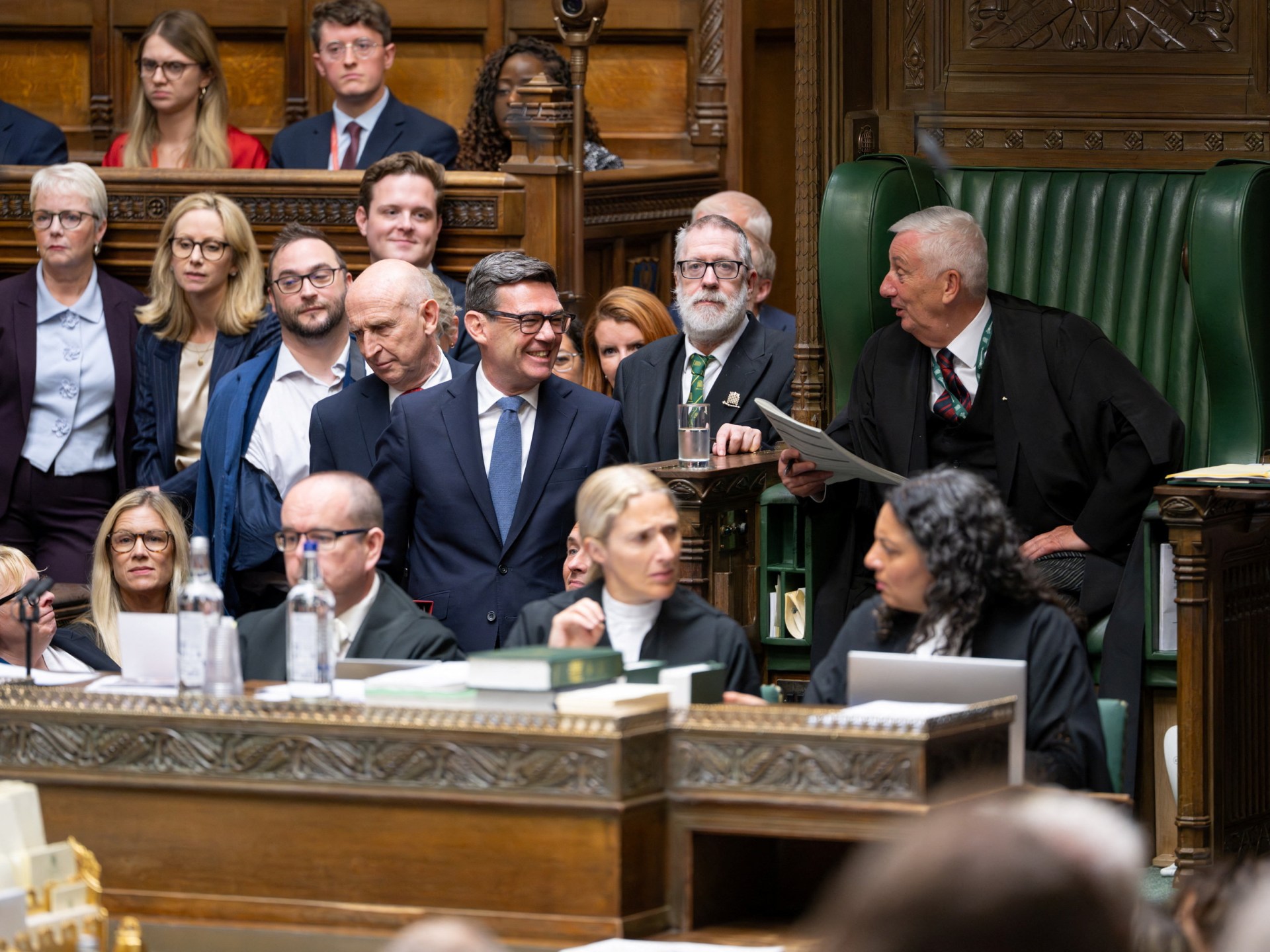
British Prime Minister Andy Burnham used his Commons debut on September 1 to argue that bringing water, energy, and transport back under public control is the key to growth and lower living costs The Guardian. He vowed to 'bring back hope' to politics after a decade of decline, pledging to tackle troubled utilities like Thames Water — saddled with £20 billion in debt — through changes to insolvency law The Guardian.
Burnham faces a two-hour grilling from opposition MPs, after which his government will push forward with VAT cuts on energy bills and reduced business rates for pubs and clubs The Guardian. His pitch: public ownership isn't ideology — it's the path to jobs, investment, and affordable essential services The Guardian.
How Public Control Becomes Law
Burnham's team is examining amendments to the Special Administration Regime — the legal framework governing utility bankruptcies The Guardian. Current rules let private creditors tie up insolvency proceedings in court battles for years The Guardian. The new plan would streamline this process and enable a 10-year transition toward government ownership The Guardian.
Thames Water exemplifies the problem: it owes £20 billion and requires a £10 billion creditor restructuring The Telegraph. Creditors have already warned they'll challenge any insolvency law overhaul in court The Guardian. Labour strategists believe the political case is clear — private firms failed to keep bills affordable or invest in infrastructure The Guardian.
Conservative Reshuffle Signals Opposition Pushback
Opposition leader Kemi Badenoch reshuffled her shadow cabinet on August 30, replacing Shadow Chancellor Mel Stride with Andrew Griffith The Guardian. Griffith brings private-sector credentials that Badenoch hopes will counter Labour's statist pitch. A senior Conservative insider called him 'a no-nonsense, pro-growth shadow chancellor with real business experience' The Guardian.
Priti Patel moved to shadow foreign secretary, replaced by Tom Tugendhat The Guardian. The Tories argue Labour lacks corporate management expertise and that state control risks stifling growth and burdening taxpayers The Guardian. This reshuffling sets up a pitched battle over ideology versus pragmatism ahead of the next election The Guardian.
Defence Spending Anchors the Budget
Chancellor John Healey faces a tight fiscal squeeze: honouring NATO defence commitments while funding Burnham's public ownership agenda The Guardian. The UK must raise defence spending from current levels to 2.7% of GDP by 2027/28, with longer-term targets of 3% and 3.5% The Guardian. Healey signalled defence will remain 'central to Treasury planning' Alliance News.
The Resolution Foundation warns that hitting both defence and public-sector targets without raising taxes on average earners will be nearly impossible The Guardian. The UK's current 'tax wedge' — taxes minus benefits on median earnings — stands at 32.4%, below OECD averages The Guardian. Tax rises or spending cuts elsewhere seem inevitable The Guardian.
Wider Agenda: Immigration, Electoral Reform, and Energy
Beyond public ownership, Burnham's legislative roadmap includes immigration exemptions for care workers and ongoing debates over electoral reform The Guardian. A No. 10 source told media outlets: 'Andy is optimistic about our country's future... He is determined we make this the moment we bring back hope' The Guardian.
The government is also weighing North Sea drilling decisions and welfare reform The Guardian. Burnham framed his first Commons appearance as a watershed moment — positioning Labour as the party of pragmatic state intervention, not nostalgia The Guardian. How voters and creditors respond over the next months will define his premiership The Guardian.
Sentiment
Mostly NegativeNEGATIVENEUTRALPOSITIVE
Publishers
27
Articles
200
Reach
227
A
AnonymousAuthor


