Storms Kill Three, Flood Communities Across Midwest, West
Storms Kill Three, Flood Communities Across Midwest, West
Anonymous
Key Points
1
The National Weather Service attributed the eastern Idaho storms to monsoonal moisture from the southern United States, which brought thunderstorms, hail, high winds and heavy rain; meteorologist Tim Axford warned that people who go outside to watch lightning face recurring risks of injury or death.
2
Hail at the Idaho National Laboratory accumulated so heavily on Sept. 17 that crews had to plow the roads. The largest stones measured about 2.5 inches—roughly tennis-ball size—and could injure people as well as damage property.
3
In eastern Idaho, the most concentrated damage occurred along the corridor from American Falls through Blackfoot, Idaho Falls and Rexburg, particularly north of the American Falls Reservoir and along the I-86 and I-15 corridors.
4
The storms disrupted local activities: an Idaho State soccer game was delayed for 30 minutes because of lightning warnings, while officials emphasized that athletes should remain off fields when thunderstorms are nearby.
5
The eastern Idaho threat was expected to continue, with additional showers and thunderstorms forecast through Sept. 19, a flash-flood watch covering much of the region, and a flood warning issued for the Ohio Fire area near Hailey.
Heavy rain and thunderstorms killed three people and flooded communities across the Midwest and West, with eastern Idaho suffering the most severe damage. Tennis-ball-sized hail pounded the Idaho National Laboratory on September 17, forcing crews to plow roads, while flash flooding blocked highways, damaged homes and vehicles, and prompted evacuations on the Navajo Nation National Weather Service.
The storms brought monsoonal moisture from the southern United States into eastern Idaho, creating dangerous lightning conditions and heavy rain that continued through September 19 National Weather Service. In eastern Iowa, water inundated parks and basements across Linn County, though no injuries were reported there.
Eastern Idaho Hit Hardest by Hail and Flash Flooding
The worst damage stretched along a corridor from American Falls through Blackfoot, Idaho Falls and Rexburg, particularly north of the American Falls Reservoir and along the I-86 and I-15 corridors fox9.com. Hail stones measuring about 2.5 inches—roughly tennis-ball size—damaged cars, homes and trailers, while flash flooding blocked roads and isolated entire neighborhoods.
At the Idaho National Laboratory, hail accumulated so heavily that road crews had to plow it away National Weather Service. The storms also brought high winds and heavy rain that flooded homes and vehicles, with additional showers and thunderstorms forecast to continue through mid-September.
Monsoonal Moisture Triggers Dangerous Lightning Risks
The National Weather Service attributed the storms to monsoonal moisture from the southern United States, which created thunderstorms, hail, high winds and heavy rain across the region National Weather Service. Meteorologist Tim Axford warned that people who go outside to watch lightning face recurring risks of injury or death.
The dangerous lightning forced officials to suspend outdoor activities. An Idaho State soccer game was delayed 30 minutes due to lightning warnings, and officials emphasized that athletes must remain off fields when thunderstorms approach fox9.com.
Eastern Iowa and Navajo Nation Face Flooding Damage
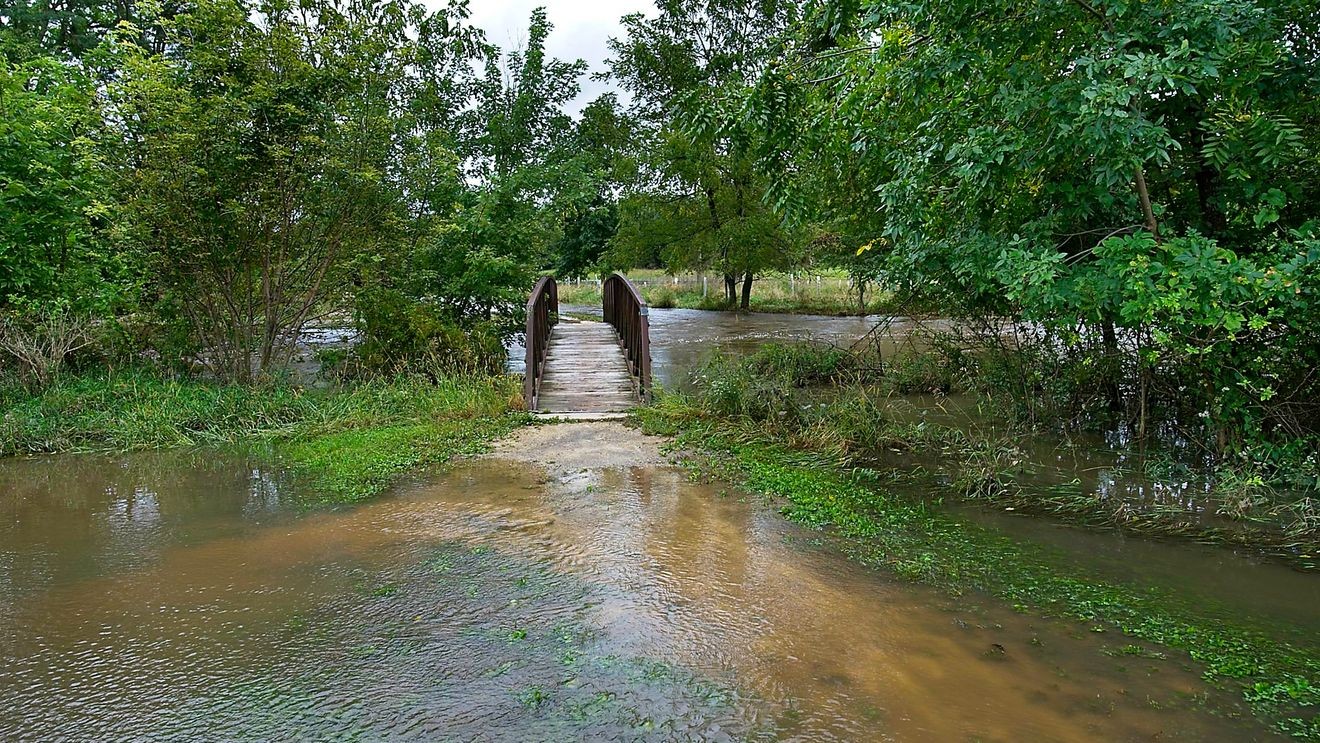
In eastern Iowa, heavy rain inundated parks, residential basements and pastureland across Linn County CBS2 Iowa. Areas such as Marion's Thomas Park and Cedar Rapids were especially hard hit, though no injuries were reported in the Iowa flooding.
On the Navajo Nation, flooding damaged roads, isolated communities and prompted evacuations, while three people died near a New Mexico community KYMA. The tribal president declared a state of emergency as flash-flood watches and warnings remained in effect across much of the region through September 19.
Sentiment
Mostly NegativeNEGATIVENEUTRALPOSITIVE
Publishers
13
Articles
9
Reach
22
A
AnonymousAuthor


