Emergency Oil Reserve Release
G7 Nations to Release 100 Million Barrels of Oil to Stabilize Markets
Anonymous
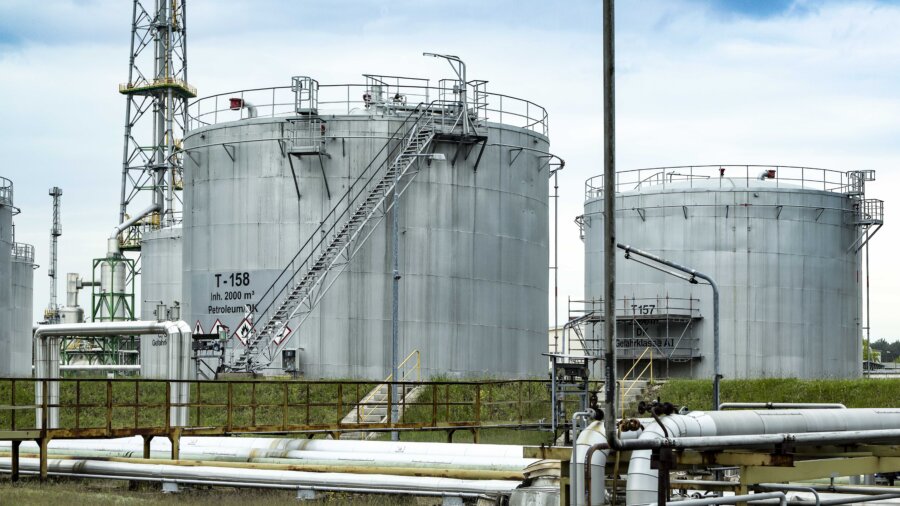
The Group of Seven nations will release up to 100 million barrels of diesel and crude oil from strategic reserves over the next four months, French President Emmanuel Macron announced following G7 discussions. The move, coordinated with the International Energy Agency, aims to ease global fuel shortages sparked by the Iran war and Ukraine conflict. Reuters reported that the G7 also agreed to let refineries operate at full capacity by relaxing production rules.
However, the 100 million barrels represents just three to four days of global consumption, which sits between 28 million and 30 million barrels per day. EUToday noted that oil prices fell immediately after the announcement as markets welcomed the emergency intervention to prevent further fuel cost spikes.
Trump Administration Pressure Drives Oil Release
The G7's decision came after sustained pressure from US President Donald Trump to lower diesel and fuel prices. Dubai Eye reported that the Trump administration explicitly asked allies to tap emergency reserves to reduce market pressure. This marks a significant coordinated action among wealthy nations to stabilize energy costs.
Energy security has become a top geopolitical concern. AFP noted that the G7 coordinated this move to prevent potential US restrictions on diesel exports, which could have further disrupted European markets already strained by regional conflicts.
Diesel Markets Strained by Multiple Crises
Global diesel supplies have tightened dramatically due to two major conflicts. The ongoing Iran war and Ukraine conflict have disrupted traditional supply chains and raised production costs. Refineries worldwide face constraints meeting demand, pushing prices higher and forcing governments to act.
The 100 million barrel release is a short-term fix. At current consumption rates of 28 to 30 million barrels daily, this emergency supply covers only three to four days of global needs. Johnson City Press warned that prices could rebound quickly once reserves are depleted.
Refineries Get Green Light to Maximize Output
The G7 also approved flexible production rules allowing refineries to run at maximum capacity. This removes regulatory barriers that typically limit refinery operations for environmental or safety reasons. The move lets existing facilities boost diesel and crude output without building new infrastructure.
Combined with the reserve release, the production increase should help supply stabilize over the coming months. However, NTD reported that experts remain cautious about whether these measures can sustain lower prices long-term without addressing underlying supply disruptions from conflict.
Sentiment
Mostly NegativeNEGATIVENEUTRALPOSITIVE
Publishers
85
Articles
399
Reach
484
A
AnonymousAuthor


