Steady Oil Production
Major Oil Exporters Agree to Keep Production Steady Despite Iran Conflict
Anonymous
Seven major oil exporters agreed on October 4 to hold production steady through November despite an ongoing war with Iran that has pushed Brent crude above $100 per barrel. Energy Policy Research Foundation reported that Saudi Arabia, Russia, Iraq, Kuwait, Kazakhstan, Algeria, and Oman made the decision during a virtual summit, with plans to review market conditions again on November 1.
The production freeze comes as the Group of Seven wealthy democracies announced a coordinated release of 100 million barrels of oil and fuel from their strategic reserves. The White House confirmed the U.S. will not ban diesel exports, instead joining Europe in releasing emergency supplies to ease global fuel shortages driven by the eight-month conflict that began February 28.
Iran War Sends Oil Prices and Diesel Costs Soaring
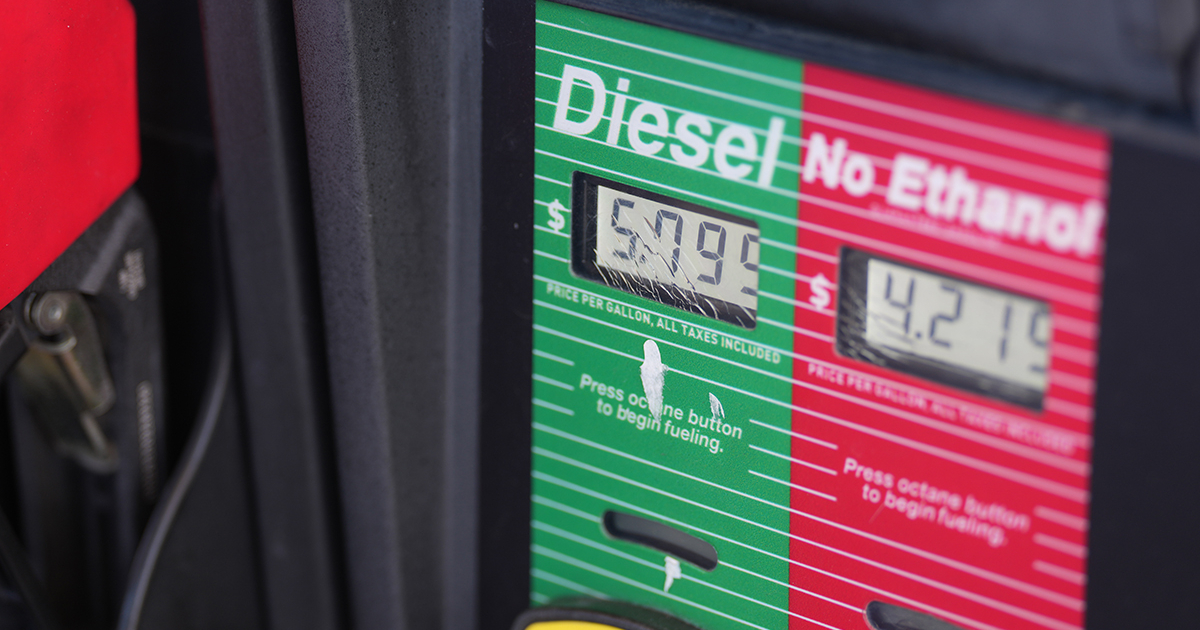
The conflict between the U.S., Israel, and Iran has severely disrupted Middle Eastern oil supplies and driven benchmark Brent crude prices above $100 per barrel. Reuters reported that U.S. diesel prices peaked at $6.52 per gallon on September 22, the highest on record. As of early October, prices eased slightly to $6.37 per gallon but remain historically elevated, squeezing freight companies, farms, and manufacturers worldwide.
The fighting has choked key shipping routes like the Strait of Hormuz and Bab el-Mandeb, restricting refined fuel flows and widening the gap between global supply and demand. High energy costs are now eating into consumer budgets and threatening supply chains heading into the critical winter season.
OPEC+ Holds Steady While G7 Readies Emergency Release
The OPEC+ subgroup's decision to freeze production through November signals confidence that current output levels can manage global demand despite war-related disruptions. Associated Press noted that the seven exporters will reconvene November 1 to reassess market conditions and decide whether adjustments are needed.
Separately, President Trump announced the U.S. will release its share of emergency reserves rather than ban diesel exports. Financial Times reported that France's Emmanuel Macron coordinated the G7 summit, securing a pledge from all wealthy democracies to avoid restricting energy exports while supplying 100 million barrels over coming weeks, with diesel frontloaded.
Markets Brace for Price Relief as Supply Measures Take Effect
Energy analysts project that the combined 100 million barrel injection from G7 reserves will lower retail diesel prices by 25 to 50 cents per gallon within weeks. Bloomberg warned, however, that continuously draining emergency stockpiles leaves global energy infrastructure vulnerable if the Iran conflict extends into 2027.
The decision reflects the political stakes for the U.S. ahead of November elections, with high fuel costs threatening consumer confidence. TIME noted that Western democracies framed the move as stabilizing markets against war-driven price surges, while OPEC+ argued that holding steady output prevents artificial flooding of an already volatile market.
Sentiment
Mostly NegativeNEGATIVENEUTRALPOSITIVE
Publishers
28
Articles
144
Reach
172
A
AnonymousAuthor


