Qatar, Jordan Condemn Ben-Gvir’s Al-Aqsa Incursion
Qatar, Jordan Condemn Ben-Gvir’s Al-Aqsa Incursion
Anonymous
Key Points
1
The Jordan Press Association said the reported actions coincided with thousands of settlers entering Al-Aqsa’s courtyards ahead of Yom Kippur and described them as part of efforts to Judaize Jerusalem.
2
Qatar reaffirmed support for establishing an independent Palestinian state on the 1967 borders, with East Jerusalem as its capital.
3
The Palestinian Ministry of Awqaf said Ben-Gvir performed Talmudic rituals in Al-Aqsa’s eastern area and warned that attempts to divide the mosque or share its space were unacceptable; the compound covers 144 dunams and is exclusively dedicated to Muslim worship.
4
The Palestinian Awqaf Ministry said the Ibrahimi Mosque was closed to Muslim worshippers from 2 p.m. Sunday until 10 p.m. Monday during Jewish holidays, with custodians and staff ordered to evacuate, calling the measure an assault on freedom of worship.
5
Jordanian officials said Israel has no sovereignty over occupied East Jerusalem or its Islamic and Christian holy sites, and called for international action to stop restrictions on worshippers’ access.
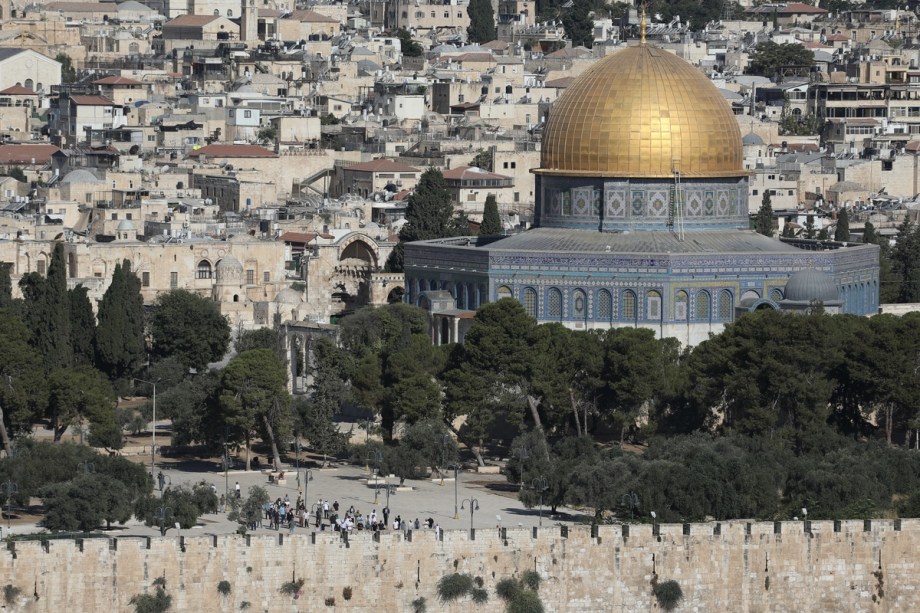
Israeli National Security Minister Itamar Ben-Gvir entered the Al-Aqsa Mosque compound in East Jerusalem under police protection, sparking swift condemnation from Qatar, Jordan, and Palestinian authorities. Albeu reported that Ben-Gvir visited with a group of Jewish settlers, triggering strong regional backlash over what officials called a violation of the historic status quo at Islam's third-holiest site.
Jordan and Qatar warned that such incursions threaten regional stability and could fuel violence. Palestinian officials said the visit included Talmudic rituals performed in the mosque's eastern area and came as thousands of settlers gathered ahead of Yom Kippur, describing the actions as part of efforts to Judaize Jerusalem.
Regional Powers Condemn Ben-Gvir's Sacred Site Entry
Jordan's government rejected the incursion as a breach of international law and the legal status quo governing Al-Aqsa. Jordanian officials stressed that Israel has no sovereignty over occupied East Jerusalem or its Islamic and Christian holy sites. Jordan's Jerusalem Awqaf Department, which administers the mosque, called the action unacceptable and demanded international intervention to protect worshippers' access.
Saudi Arabia condemned the entry as a "flagrant violation" and "provocation" to Muslims worldwide, according to Middle East Monitor. Qatar reaffirmed its support for an independent Palestinian state on 1967 borders, with East Jerusalem as the capital. Palestinian religious authorities urged the Arab world, Muslim nations, and human rights groups to intervene and stop restrictions on Islamic holy sites.
Thousands of Settlers Gather as Holy Month Approaches
The Jordan Press Association reported that thousands of settlers entered Al-Aqsa's courtyards ahead of Yom Kippur, describing the coordinated activity as an effort to change Jerusalem's character. The Palestinian Ministry of Awqaf said Ben-Gvir performed Talmudic rituals in the mosque's eastern section. Officials warned that any attempt to divide the compound or share its space would be rejected outright.
The Al-Aqsa compound spans 144 dunams and is exclusively dedicated to Muslim worship, Palestinian authorities emphasized. The presence of Israeli political officials at the Al-Buraq Wall plaza and in tunnels beneath the site deepened concerns about efforts to claim a stake in the sacred location.
Hebron Mosque Closure Adds to Religious Restrictions
Palestinian officials also condemned the temporary closure of Hebron's Ibrahimi Mosque to Muslim worshippers during Jewish holidays. The Palestinian Awqaf Ministry said the mosque was locked from 2 p.m. Sunday until 10 p.m. Monday, with custodians and staff ordered to evacuate. Officials called the measure an assault on freedom of worship and part of a broader pattern of restrictions.
Both Qatar and Jordan warned that continued incursions and access restrictions at Islamic and Christian holy sites threaten the region's stability. Palestinian authorities urged the international community to take action immediately to prevent further violations and protect the sanctity of these globally significant religious locations.
Al-Azhar Weighs In From Egypt
Al-Azhar Al-Sharif, one of Islam's most prestigious institutions, condemned the incursion as an "irresponsible" act that stormed the mosque's courtyards. The condemnation from Cairo's religious authority highlighted how the incident reverberated across the Arab and Muslim world beyond immediate neighbors.
Sentiment
Mostly NegativeNEGATIVENEUTRALPOSITIVE
Publishers
24
Articles
14
Reach
38
A
AnonymousAuthor


