Amazon Mining Crisis
Illegal Gold Mining Surges on Indigenous Lands Across the Brazilian Amazon
Anonymous
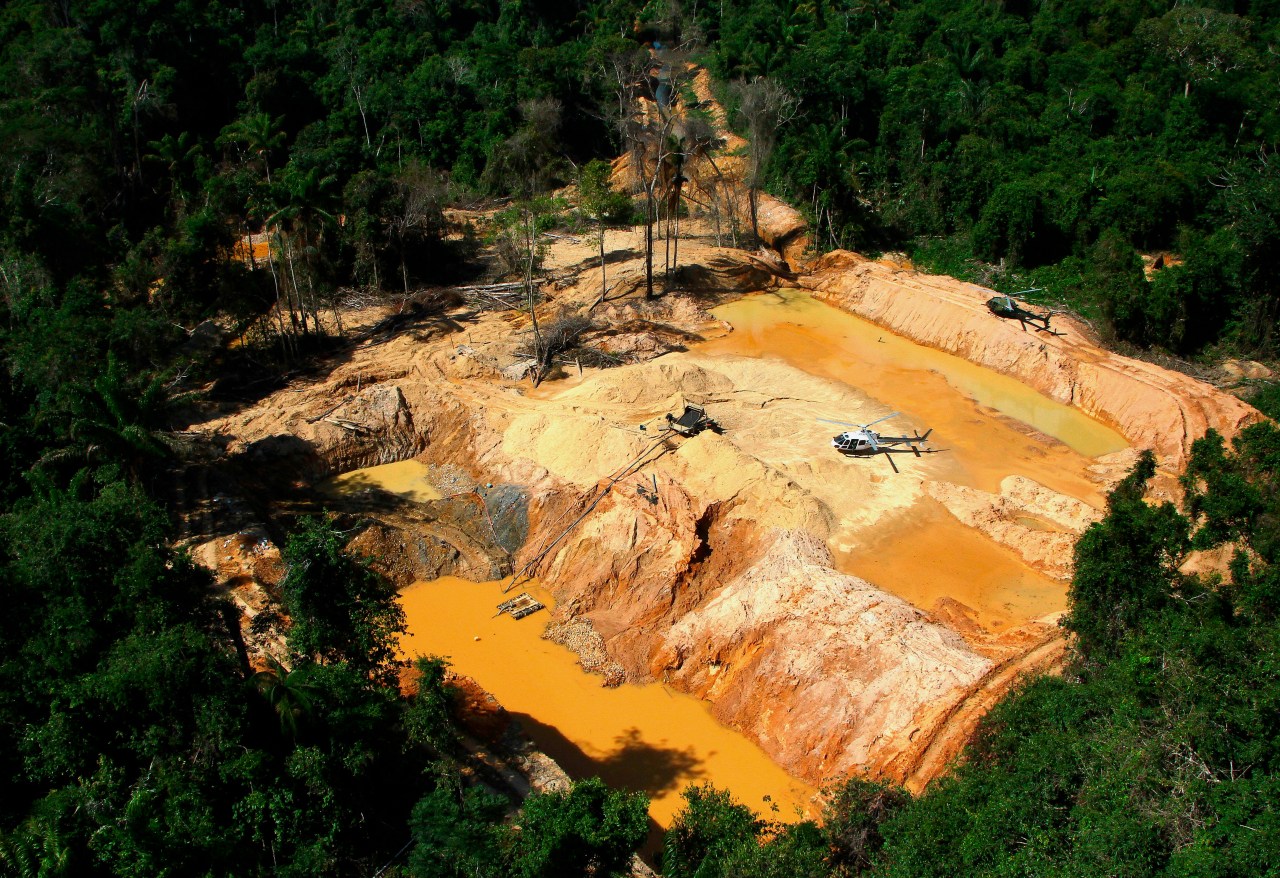
Illegal gold mining is expanding fastest on Indigenous lands in Brazil’s Amazon, according to an analysis by the Amazon Environmental Research Institute. Mining affected roughly 24 times more Indigenous territory in 2024 than in 1985 and grew nearly sevenfold from 2016 to 2024, with about 90% of the impacted area concentrated in Kayapó, Munduruku and Yanomami territories. The damage extends beyond mining sites as mercury pollution travels through watersheds, threatening communities, wildlife and drinking water, while droughts and heatwaves further restrict access to food, transportation and health care. Munduruku leaders say miners have returned after recent federal enforcement operations, prompting calls for stronger enforcement, gold traceability and Indigenous-led environmental monitoring and climate adaptation.
Key Points
1
Gold mining across the entire Amazon—not only Indigenous territories—was 20 times more extensive in 2024 than in 1985, according to IPAM.
2
IPAM researcher Ray Pinheiro said the threats compound one another: “When gold mining and climate extremes affect the same areas, their impacts reinforce each other,” with drought reducing access to water, mobility and food production while mining places additional pressure on the same water systems.
3
Record-high gold prices, fueled largely by investor demand for safe-haven assets amid rising global risks, are contributing to a renewed mining rush, deforestation and mercury contamination in riverine and Indigenous communities.
4
Representatives of the Inter-American Court of Human Rights visited Pará for hearings with the Munduruku, assessing Brazil’s compliance with provisional protections the court recommended in 2022; leaders presented satellite imagery and field-monitoring reports indicating that illegal miners had returned after federal operations.
5
The WWF warned that Amazon river dolphins are also at risk, citing studies that found “extremely high concentrations of mercury in their blood” as an alarming indicator of wider contamination across the ecosystem.
Sentiment
Mostly NegativeNEGATIVENEUTRALPOSITIVE
Publishers
6
Articles
84
Reach
90
A
AnonymousAuthor


