Supreme Court Climate Case
Supreme Court Considers Trillion-Dollar Climate Case Over State Nuisance Laws
Anonymous
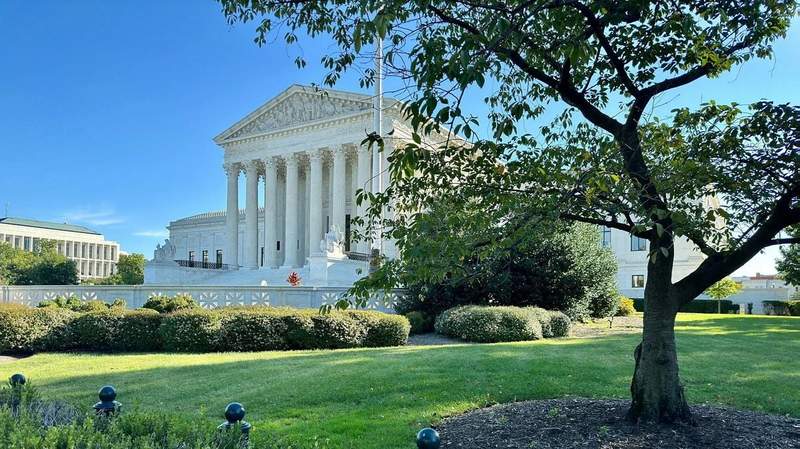
The Supreme Court is scheduled to hear Suncor Energy v. County Commissioners of Boulder County on Oct. 5, a case over whether state and local governments can use nuisance laws to seek climate-related damages from energy companies, including Suncor and ExxonMobil. Former Attorney General Bill Barr and other critics of the lawsuits argue that state-by-state litigation could impose enormous costs on private American producers while sparing state-owned Chinese and Russian companies under sovereign-immunity rules, potentially shifting market share to U.S. adversaries and raising consumer energy bills. Barr said similar cases nationwide could seek up to $28 trillion and argued that climate issues with national or global consequences should be addressed internationally rather than through individual state courts. Supporters of the Boulder litigation contend that energy companies should be held accountable for alleged contributions to climate-related property damage, while the Supreme Court’s ruling could determine the broader legal viability of such claims.
Key Points
1
Boulder County’s claims rely on nuisance laws, which are traditionally used to resolve property disputes between neighbors; county officials argue that alleged climate-related emissions damaged local property.
2
Barr said climate activists have brought dozens of similar cases in state and federal courts nationwide, warning that “one victory would cripple these companies economically.”
3
Barr argued that the Constitution prevents an individual state from applying its law to an issue with national or global effects, saying such matters “have to be worked out on the international level.”
4
Jennifer Hernandez of Holland & Knight criticized climate litigation as part of broader environmental overregulation and said California policies had sharply reduced the ability to build affordable housing, disproportionately affecting Black and Latino residents.
Sentiment
Mostly NegativeNEGATIVENEUTRALPOSITIVE
Publishers
6
Articles
145
Reach
151
A
AnonymousAuthor


