Iran Warns US
Iran defense chief warns United States of battlefield power and political costs
Anonymous
Key Points
1
Iran already has a significant political and economic role in Iraq and backs powerful Shiite militias; some are part of Iraq’s state security structures while retaining considerable autonomy.
2
Experts warned that the US withdrawal from Iraq could leave a security gap for Tehran to exploit. Colin Clarke of the Soufan Center said Iran would likely try to use the changed situation to “show[] its strength in Iraq.”
3
The withdrawal also raised concerns about a possible resurgence of Islamic State in Iraq, although the group has weakened significantly and remains active.
4
Iran welcomed the end of the US military presence in Iraq after two decades. The Islamic Revolutionary Guard Corps called the withdrawal a “magnificent achievement” for the so-called axis of resistance.
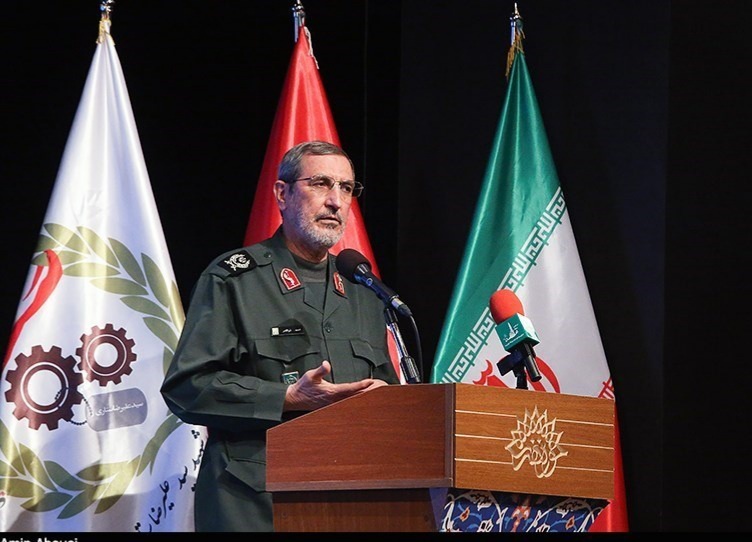
Iran's acting defense minister rejected claims that the country's military was weakened, vowing to demonstrate battlefield power and impose costs on adversaries SABA. Majid Ebn al-Reza accused Washington of facing public pressure, military strain, and rising war expenses. Separately, Iran's Deputy Parliament Speaker credited the nation's defense and nuclear advances to domestic capabilities and Islamic Revolution leadership SABA.
Iran's Growing Grip on Iraq After US Withdrawal
Iran already wields significant political and economic influence in Iraq, backing powerful Shiite militias with considerable autonomy Albeu. Some of these groups are formally part of Iraq's state security structures but operate with independence. The US military withdrawal after two decades created a potential security gap that Tehran plans to exploit.
Experts warned Iran would use the changed situation to expand control Albeu. Colin Clarke of the Soufan Center said Iran would likely attempt to "show[] its strength in Iraq" in the new environment. The withdrawal removes a major constraint on Iranian activity in the country.
Iran Celebrates US Military Departure as Strategic Victory
Iran welcomed the end of American military presence in Iraq, calling it a major achievement. The Islamic Revolutionary Guard Corps labeled the withdrawal a "magnificent achievement" for what Tehran calls the "axis of resistance" — its network of allied groups spanning from Afghanistan to Yemen Newscord.
The withdrawal removes a key obstacle to Iran's regional strategy Newscord. Brigadier General Esmail Qaani, commander of the IRGC Quds Force, has called for strengthening Tehran-backed groups across the Middle East and Central Asia. Iranian officials frame the American exit as proof of Tehran's long-term persistence.
ISIS Resurgence Risk Amid Shifting Security Dynamics
The US withdrawal also raised concerns about Islamic State revival in Iraq. The militant group weakened significantly but remains active and could exploit security gaps left by departing American forces Albeu. ISIS previously controlled large parts of Iraq and Syria before being pushed back.
Iran's rising influence could complicate Iraq's internal security. While Iranian-backed forces helped fight ISIS, they also operate independently from Baghdad's control. The combination of weakened US presence and Iranian expansion creates an unpredictable security environment Albeu.
Sentiment
Mostly NegativeNEGATIVENEUTRALPOSITIVE
Publishers
16
Articles
1
Reach
17
Topics
A
AnonymousAuthor


