Final O3b mPOWER Launch
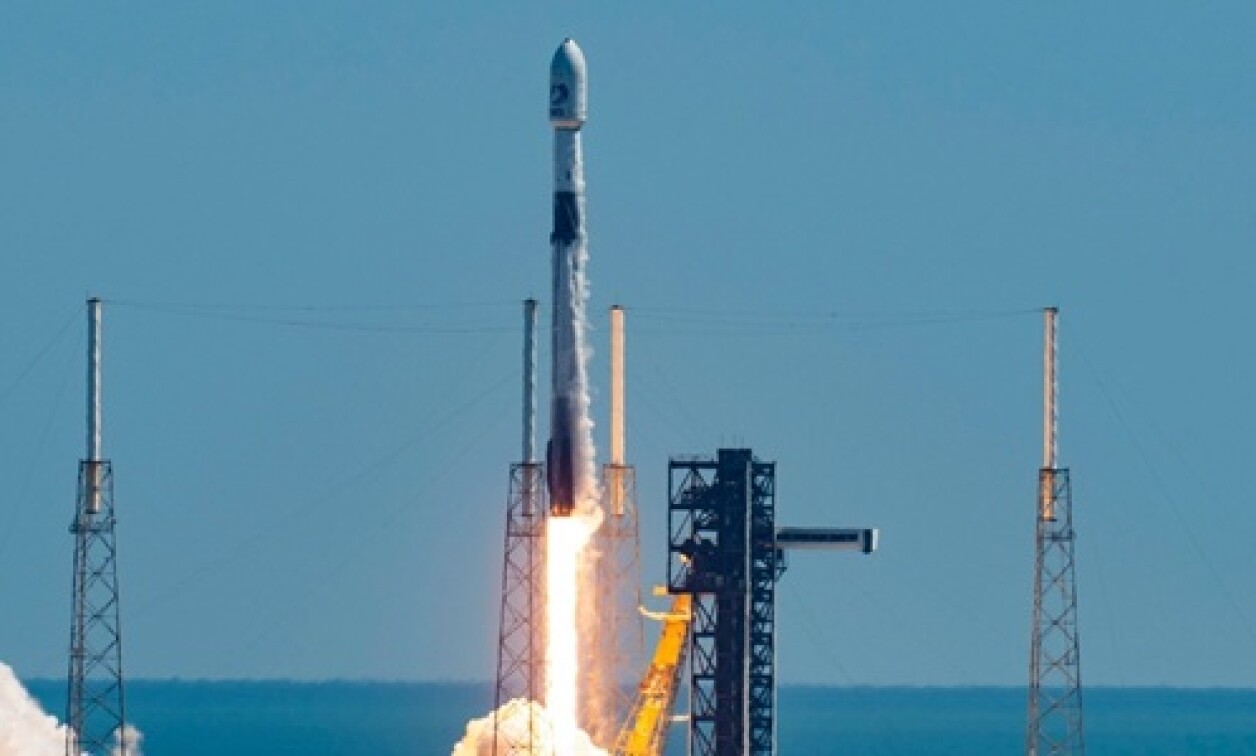
SpaceX prepares to launch the final three O3b mPOWER satellites in historic milestone.
Anonymous
Key Points
1
This is the first O3b mPOWER launch to carry three satellites at once, increasing the deployment cadence for SES’s constellation.
2
The mission, designated O3b mPOWER-F, will deploy satellites F11, F12 and F13; they are the final spacecraft being added to the constellation.
3
The 45th Weather Squadron expected launch conditions to worsen from 60 percent favorable at the window’s opening to 40 percent favorable by its close, with showers and storms potentially developing near the Spaceport as the sea breeze arrives.
4
Before this flight, booster B1080 had launched four International Space Station missions, the European Space Agency’s Euclid observatory, SES’s Astra 1P satellite and 22 Starlink batches.
5
Of the 400 orbital launches from SLC-40, SpaceX has been responsible for 345, according to Spaceflight Now.
SpaceX is set to launch the final three satellites in SES's O3b mPOWER constellation on Sunday, September 13, aboard a Falcon 9 rocket from Cape Canaveral. The mission will complete the 13-satellite constellation, which delivers high-speed internet from medium Earth orbit—a sweet spot between low-orbit satellites and traditional geostationary systems. Military Embedded reports this marks the first time SpaceX has carried three of these Boeing-built satellites on a single flight.
The launch window opens at 2:49 p.m. EDT with an 87-minute opportunity for liftoff. Weather forecasters gave a 60 percent favorable rating for conditions at the window's start, though storms could move in later, shrinking odds to 40 percent by the close. A backup launch slot is available Monday if Sunday's weather proves too rough.
Why This Launch Marks a Speed Boost for SES
The O3b mPOWER constellation provides enterprise clients and cloud providers with reliable, low-latency connectivity from medium Earth orbit—faster than traditional geostationary satellites but more stable than low-orbit mega-constellations. Mobile World Live notes that completing all 13 satellites unlocks SES's full vision for this second-generation service. Adding three satellites at once instead of one or two per flight cuts deployment time significantly.
Booster B1080 Chases Its 29th Mission
The Falcon 9 booster assigned to this mission, B1080, is a veteran. It has already flown four crewed missions to the International Space Station, launched the European Space Agency's Euclid space observatory, deployed SES's Astra 1P satellite, and carried 22 Starlink batches to orbit. Sunday's flight will be its 29th launch before it attempts to land on the droneship A Shortfall of Gravitas in the Atlantic.
Cape Canaveral Approaches a Historic 400th Launch
This mission from Space Launch Complex 40 at Cape Canaveral will mark the 400th orbital launch from the pad. SpaceX alone is responsible for 345 of those 400 launches, reshaping the economics of spaceflight over the past decade. The company's heavy-lift Falcon 9 has become the workhorse for everything from satellite constellations to crewed spacecraft missions.
Sentiment
Mostly PositiveNEGATIVENEUTRALPOSITIVE
Publishers
19
Articles
28
Reach
47
A
AnonymousAuthor


