Portsmouth Protest Mask Ban
Police Impose Mask Restrictions and Deploy Extra Officers for Portsmouth Protests
Anonymous
Key Points
1
The Portsmouth march was scheduled to leave All Saints Church on Commercial Road at 12:30 p.m. and proceed to Guildhall Square, while Portsmouth Patriots and the counter-protest were assigned separate gathering areas.
2
Organiser Daniel “Danny” Thomas said he would not attend the Portsmouth demonstration, although he urged “as many people as possible” to take part.
3
The RNLI said its volunteers had been dealing with potentially challenging interactions after bringing ashore some of the 140 migrants rescued from a large dinghy, and advised them that they might choose not to wear clothing displaying the charity’s branding in certain circumstances.
4
Home Secretary Shabana Mahmood described the masked protesters’ appearance as creating a “fear factor” and communicating “obvious malign intent,” saying the situation differed from other protests and required police to learn lessons from the weekend’s events.
5
Police restrictions on face coverings in Portsmouth were set to apply within a designated area for 24 hours from 9 a.m. on Saturday, while extra officers were deployed ahead of the demonstrations.
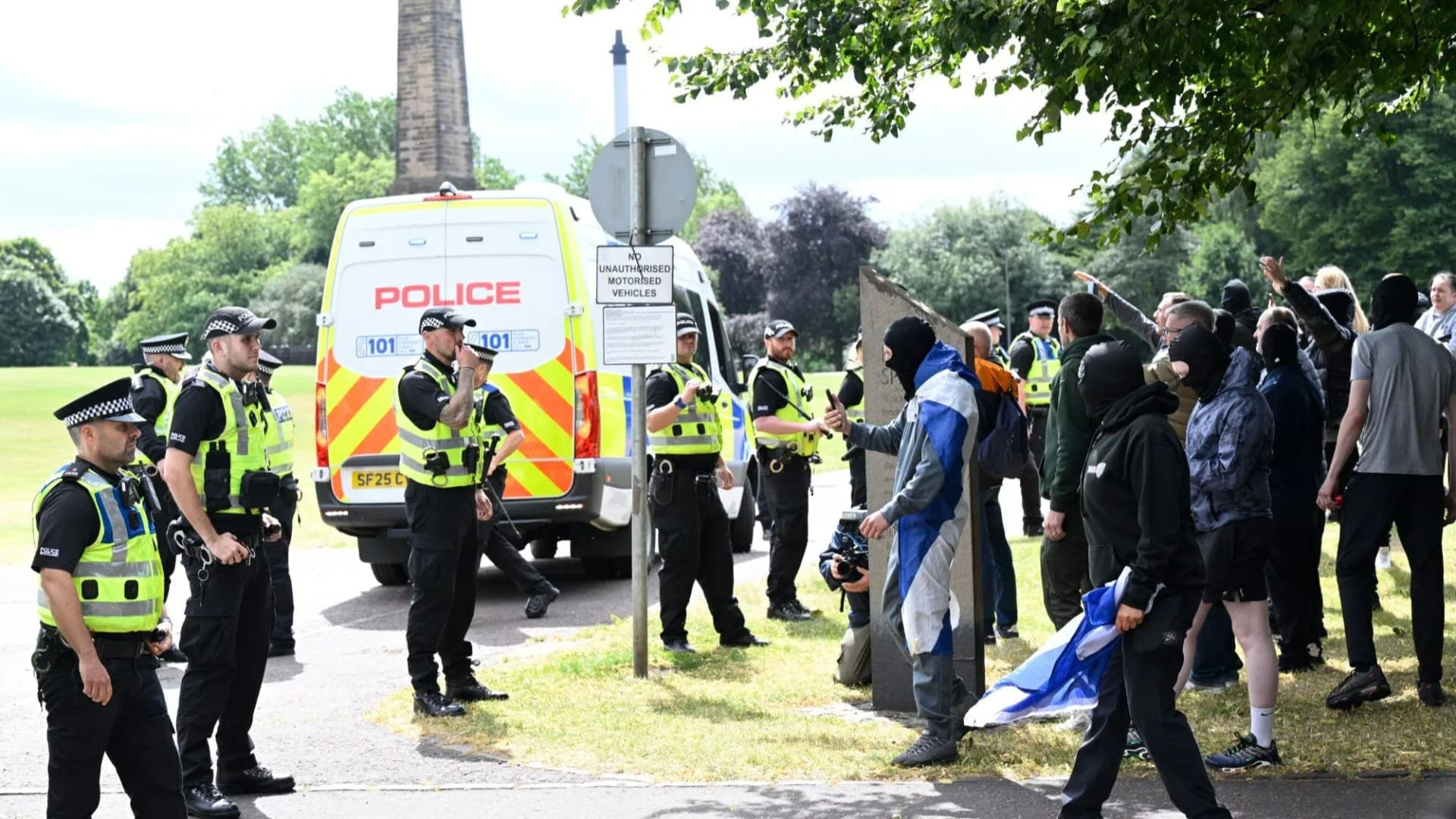
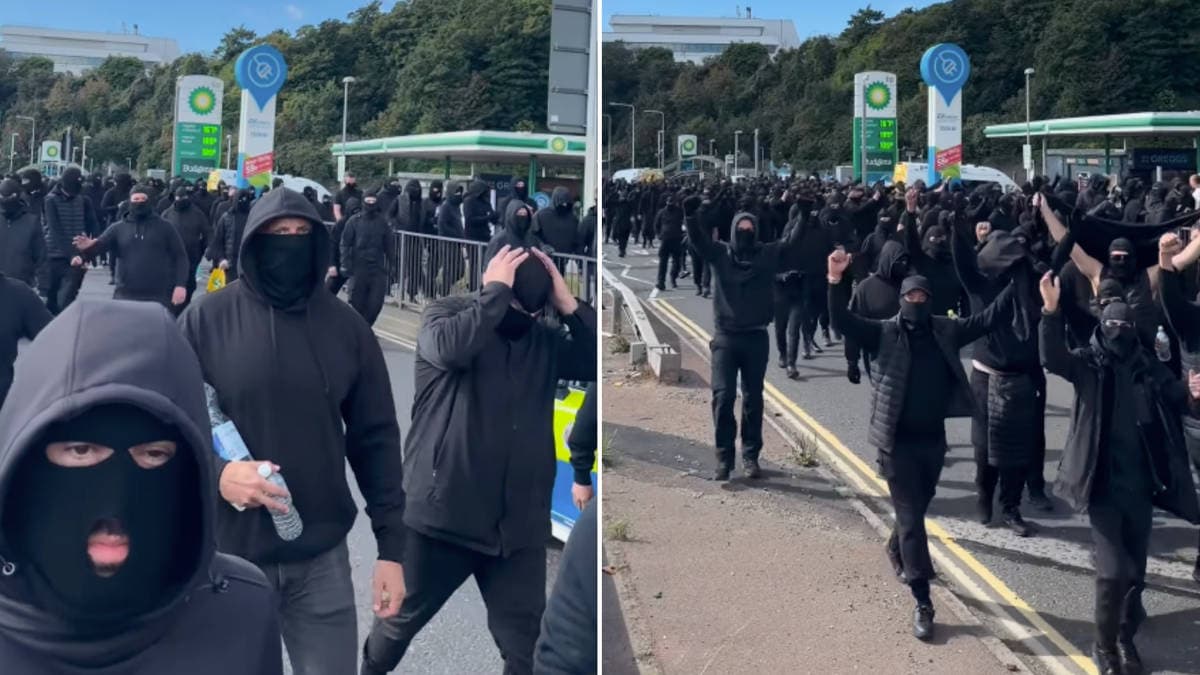
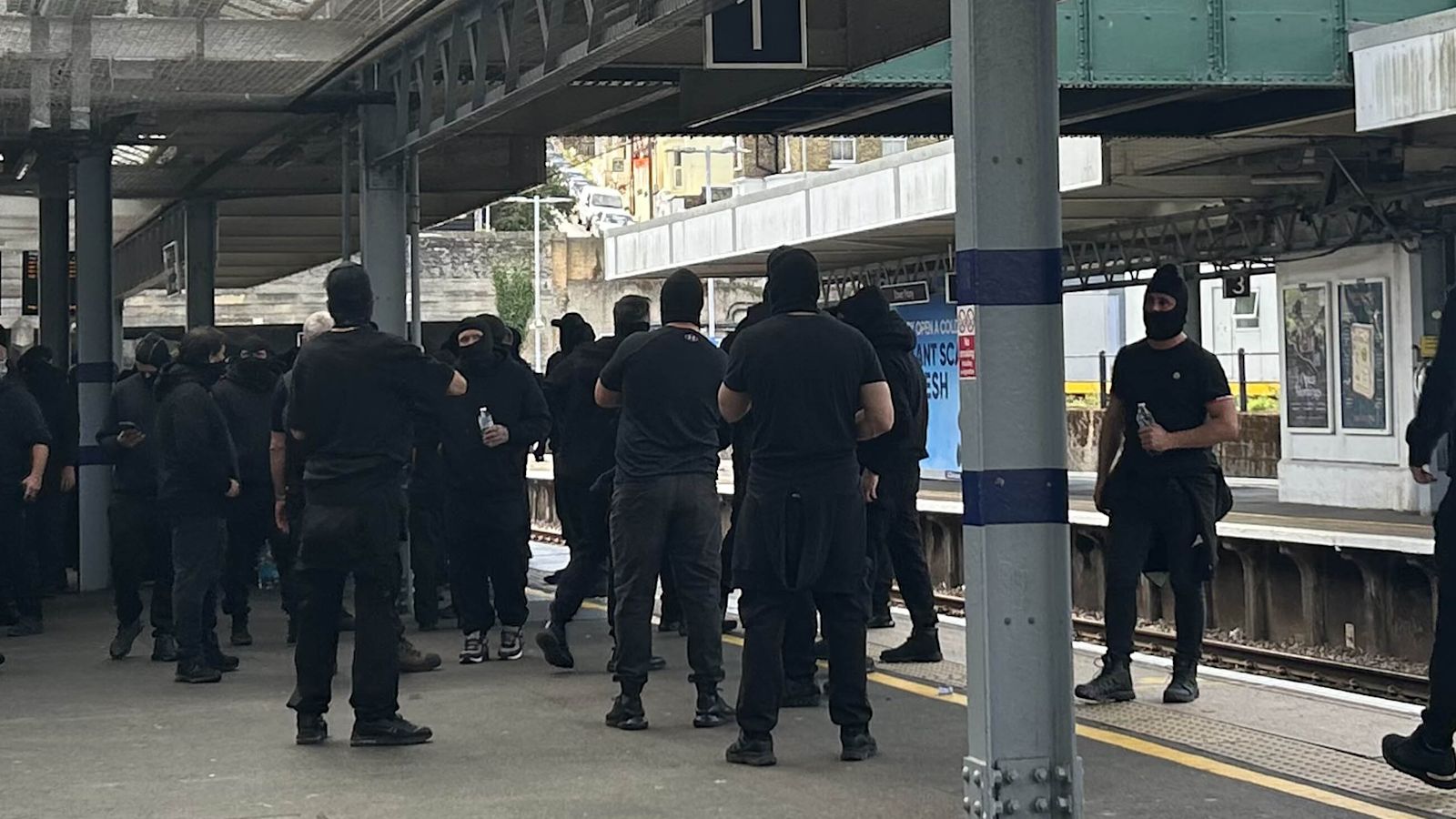
Hampshire Police are imposing mask bans at Portsmouth protests this weekend after masked demonstrators clashed with officers and disrupted asylum seeker movements. Hampshire Police warned that anyone wearing face coverings to hide their identity will face arrest under Crime and Disorder Act powers. The crackdown follows vehicle damage, officer injuries, and a masked protest that shut down Dover's port last weekend.
Anti-migrant groups are marching in Portsmouth alongside a counter-protest by Stand Up to Racism on Saturday. Home Secretary Shabana Mahmood demanded stronger police action, saying masked protesters create a "fear factor" and show "obvious malign intent." Police will use facial recognition, CCTV, and body cameras to track participants and deter coordinated far-right activism.
Police Deploy New Powers to Stop Face Mask Concealment
The mask ban will run for 24 hours from 9 a.m. Saturday across a designated protest zone. Hampshire Police said they will arrest anyone wearing face coverings intended to hide their identity. The measure targets coordinated black clothing and balaclavas linked to intimidation and potential violence, while preserving rights to peaceful assembly.
Extra officers have been deployed ahead of Saturday's demonstrations. The anti-migrant march leaves All Saints Church on Commercial Road at 12:30 p.m. and heads to Guildhall Square. Portsmouth Patriots and the counter-protest will gather in separate areas to reduce direct confrontation.
RNLI Volunteers Face Intimidation While Rescuing Migrants
The RNLI warned its volunteers about safety after they rescued 140 migrants from a large dinghy and brought them ashore. The RNLI advised staff they might choose not to wear branded clothing in certain circumstances due to hostile interactions. The charity has traditionally stayed politically neutral, making intimidation a reputational and operational concern.
Frontline humanitarian workers face direct risks when protest groups target rescue operations. The RNLI's safety guidance signals how anti-migrant activism disrupts essential rescue work beyond public-order issues. Personal security worries force staff to hide their identity while performing life-saving duties.
Home Secretary Demands Tougher Response to Far-Right Groups
Shabana Mahmood said masked protesters create a "fear factor" and signal "obvious malign intent," requiring lessons from last weekend's disorder. Police are targeting groups including Patriot Platform and Portsmouth Patriots, which authorities link to far-right activism and organiser Daniel "Danny" Thomas. Mahmood called for better intelligence gathering, more resources, and stronger deterrence.
Last weekend's protests caused vehicle damage and injured police officers. One arrest has been linked to the unrest. Authorities say initial enforcement was too weak and demand faster, harder responses to coordinated far-right tactics. Thomas said he will not attend Saturday's march but urged supporters to participate.
Police Deploy Tech Tools to Track and Deter Demonstrators
Hampshire Police plan to use facial recognition, CCTV, automatic number-plate recognition, and body-worn cameras where legally justified. The technology aims to identify participants and build cases for later prosecution. Police say these tools help maintain consistent enforcement across all protest groups.
Civil liberties and environmental groups have criticised what they call more lenient treatment of far-right protesters compared to other activist groups. The inconsistent enforcement raises questions about whether powers are applied fairly. Saturday's demonstrations will test whether police can balance protest rights with rapid disorder prevention.
Sentiment
Mostly NegativeNEGATIVENEUTRALPOSITIVE
Publishers
18
Articles
31
Reach
49
A
AnonymousAuthor