Dover Port Protest Disrupts Traffic
Masked Protesters Block Dover Port Roads and Disrupt Channel Crossing Travel
Anonymous
Key Points
1
The Port of Dover said the disruption was affecting not only the port’s routes but also roads around the town, describing the incident as having an impact on the local community and customers.
2
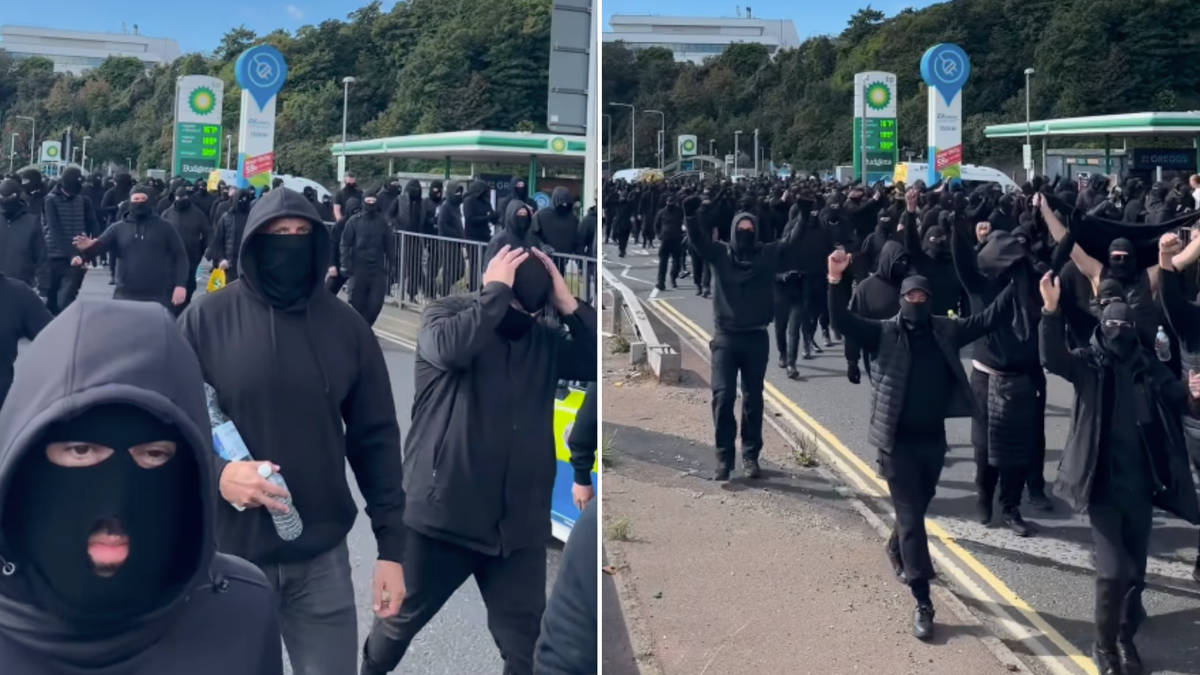
The protesters were reported to be blocking roads along Dover’s seafront, with images showing people standing in the middle of local roads while wearing black clothing and obscuring their faces.
3
Online speculation put the size of the crowd at as many as 300 people, although the figure had not been confirmed.
4
Kent Police described its response as officers being present and “engaging with protesters,” rather than announcing arrests or other enforcement action at that stage.
Hundreds of masked protesters dressed in black blocked roads around the Port of Dover, halting traffic and disrupting ferry crossings in one of the UK's busiest transport hubs. LBC reported that the group, chanting slogans including "stop the boats" and "send them back," occupied local roads along Dover's seafront, forcing National Highways to close the A20 in both directions between York Street and Jubilee Way. The disruption created about four miles of congestion with delays up to 30 minutes, while Washington Examiner noted the action drew condemnation from the UK government.
Kent Police said officers were at the scene and engaging with protesters, though no immediate arrests or enforcement action was announced. The Port of Dover described the incident as an ongoing public-order situation affecting not only port access but also the wider local community. P&O Ferries warned that passenger access was restricted and that travelers who missed sailings would be transferred to the next available crossing.
Road Closures Hit UK's Busiest Ferry Hub
The A20 closure between York Street and Jubilee Way created immediate traffic chaos around Dover. LBC reported the blockade stopped vehicles from entering and leaving the port, one of Britain's largest ferry terminals. Four miles of congestion backed up, with travelers facing waits of up to 30 minutes. The disruption affected both freight routes and passenger movements on cross-Channel ferries heading to France.
Dover handles roughly one-third of UK trade with the European Union by value and millions of passenger movements each year. Blocking access ripples across supply chains, tourism, and ferry schedules far beyond Kent. Northwest Star noted that major roads to the Kent port were blocked during the demonstration.
Protesters Wear Black and Hide Faces
Images and video showed hundreds of black-clad, masked men occupying roads along Dover's seafront. LBC described them as "intimidating," with protesters wearing balaclavas and face coverings. Online speculation put crowd size at around 300 people, though the exact number was not officially confirmed. The concealment made it harder for authorities to identify organizers and distinguish between peaceful participants and those committing obstruction.
Government Condemns Roadblock as Unnecessary Disruption
The UK government rejected the protest, with Washington Examiner reporting that officials stated the action "went beyond" acceptable demonstration. Kent Police described their approach as "engaging with protesters" rather than making arrests at the outset. The Port of Dover emphasized the impact on customers and the local community beyond the port itself. P&O Ferries confirmed that passengers who missed sailings during the blockade would be rebooked on the next available departure.
Sentiment
Mostly NegativeNEGATIVENEUTRALPOSITIVE
Publishers
87
Articles
232
Reach
319
A
AnonymousAuthor


