Late-Night Tennis Backlash
US Open late-night finishes spark player criticism over exhaustion and scheduling.
Anonymous
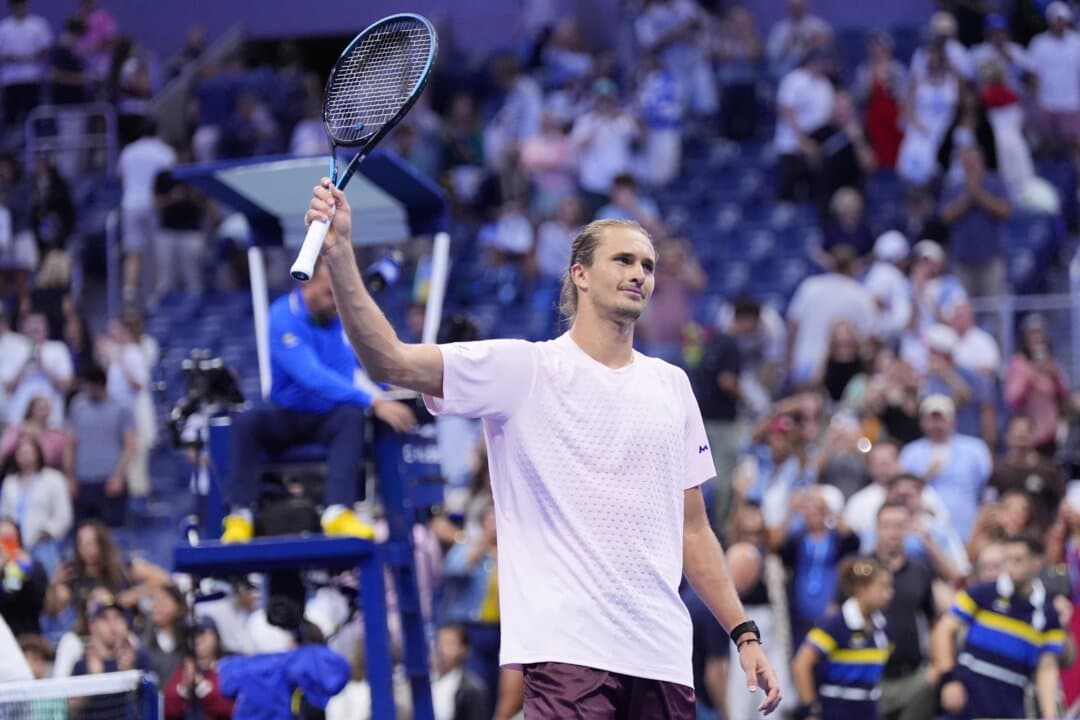
The US Open has shattered its own record with five of six night sessions finishing after midnight during the first week, including three past 2 a.m., sparking sharp criticism from exhausted players. Associated Press reported that matches wrapped up at 2:01 a.m., 2:15 a.m., and 2:07 a.m., with Venus Williams taking the court for the latest start in tournament history at 12:13 a.m. Players like Alexander Zverev and Jessica Pegula are now demanding the tournament reconsider its schedule.
Zverev said plainly after his post-2 a.m. finish: "I think everybody's tired. Everybody wants to go to sleep." Reuters highlighted that the marathon sessions leave stadium seats empty and players competing in front of dwindling crowds. The backlash raises a crucial question: how late is too late for tennis's biggest stage?
A Record-Breaking Week of Late Finishes
The first six days of the tournament produced an unprecedented stretch of midnight-plus finishes. WRAL documented that three sessions ended after 2 a.m., while five of six exceeded midnight. The schedule chaos started on opening night when Novak Djokovic's 4-hour, 36-minute loss ran long, pushing Venus Williams's match to 12:13 a.m.—the latest start ever recorded at the US Open.
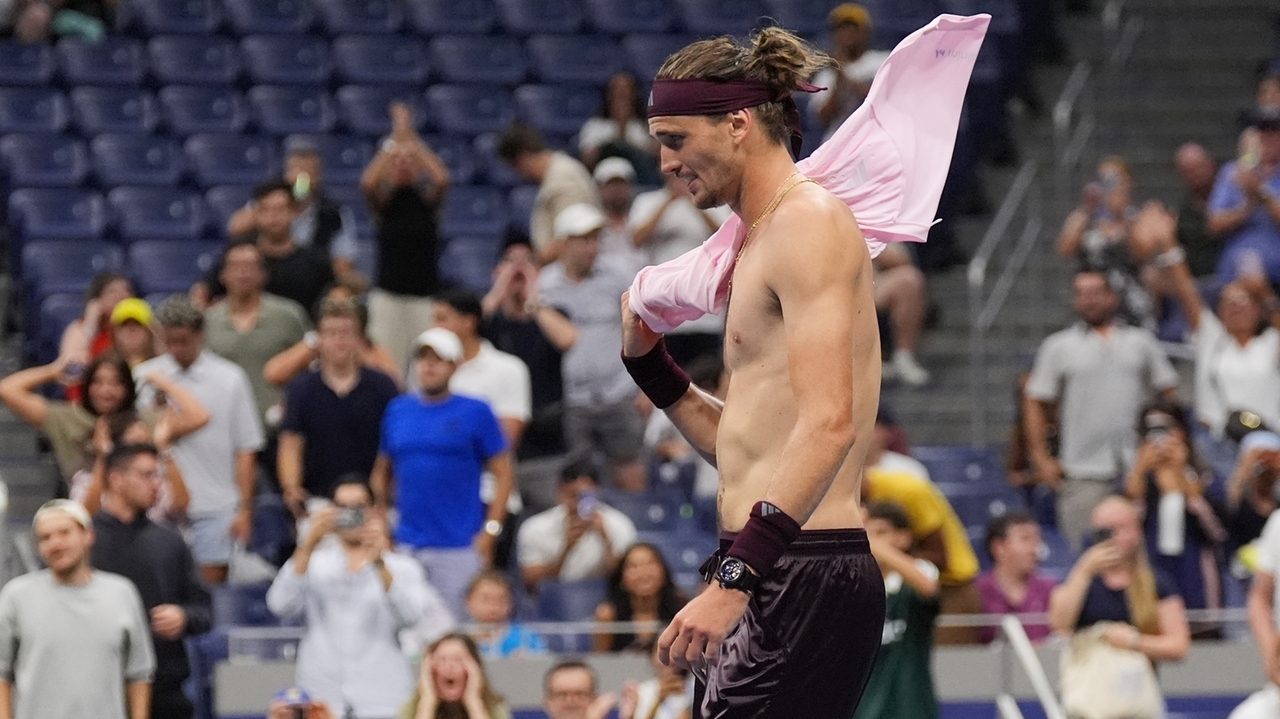
Alexander Zverev then completed a 4-hour, 33-minute five-set victory at 2:15 a.m. just days later. Newsday noted that only one night session in the six-day window finished before midnight. The tournament schedules two matches nightly on its major courts, creating a domino effect where early delays push the entire evening later.
Players Push Back Against Sleep Deprivation
Top-ranked players are openly questioning the tournament's priorities. Jessica Pegula said: "You have to wonder if it's really the right thing for players to be finishing at 2 a.m., especially when it's not—like, I'm not watching on TV. I'm sleeping." Winnipeg Free Press reported that world No. 1 Aryna Sabalenka echoed the concern, saying late finishes shift "the whole next day" and "can really mess with your schedule."
Venus Williams, who started her match at the unprecedented 12:13 a.m., was blunt: "It's not ideal. I would have preferred something else, definitely. It wasn't great for either of us." Herald Bulletin noted that even tennis legend Martina Navratilova called the pattern "crazy" and "not sustainable," arguing that tennis is alone among major sports in pushing matches this deep into early morning hours.
Empty Stadiums and Broken Circadian Rhythms
Late finishes create a peculiar paradox: world-class athletes perform in nearly empty arenas. Houston Chronicle documented that stadium attendance plummets as matches stretch toward 2 a.m., leaving players and exhausted staff working in sparse crowds. Fans cite transportation challenges—late-night subway options are limited—and early-morning work obligations that make attending unrealistic.
The physical toll extends beyond that night. Sleep disruption during a two-week Grand Slam campaign damages recovery, increases injury risk, and compromises performance. Wimbledon enforces an 11 p.m. curfew, and the French Open schedules just one evening match nightly. WBAL reported that the ATP has capped daily matches and prohibited 11 p.m. starts on the professional tour, but Grand Slams operate independently with minimal restrictions.
Broadcasting Dollars Versus Player Welfare
The USTA faces pressure to choose between profitable prime-time broadcasts and athlete health. Late evening slots attract lucrative television viewership, especially from West Coast and international audiences who tune in during their prime time. Tournament organizers frame night sessions as iconic New York spectacles essential for global broadcasting rights revenue.
What Comes Next for the US Open
Player associations are increasingly demanding uniform start-time caps across all Grand Slams. Sabalenka, Pegula, and Zverev's public statements suggest the issue will not disappear quietly. Whether the US Open adjusts its schedule or maintains the status quo for commercial reasons remains unclear, but the opening week's record-breaking late finishes have transformed this from a minor complaint into a major tournament controversy.
Sentiment
NeutralNEGATIVENEUTRALPOSITIVE
Publishers
33
Articles
33
Reach
33
A
AnonymousAuthor