Child-Care Aid Proposal
Trump Administration Considers Federal Child-Care Aid Plan for Stay-at-Home Parents
Anonymous
Key Points
1
The Child Care and Development Fund currently serves about 1.3 million children and 870,000 families; roughly four in five recipient families are headed by a single working parent, usually a mother.
2
If adopted, the proposal would create the first federal subsidy specifically for parents who choose to stay home and raise their children, a policy long advocated by some conservative figures.
3
Critics argue the draft does not address a market failure, would add a new group of claimants to an already constrained budget and provides no additional funding for the Child Care and Development Fund.
4
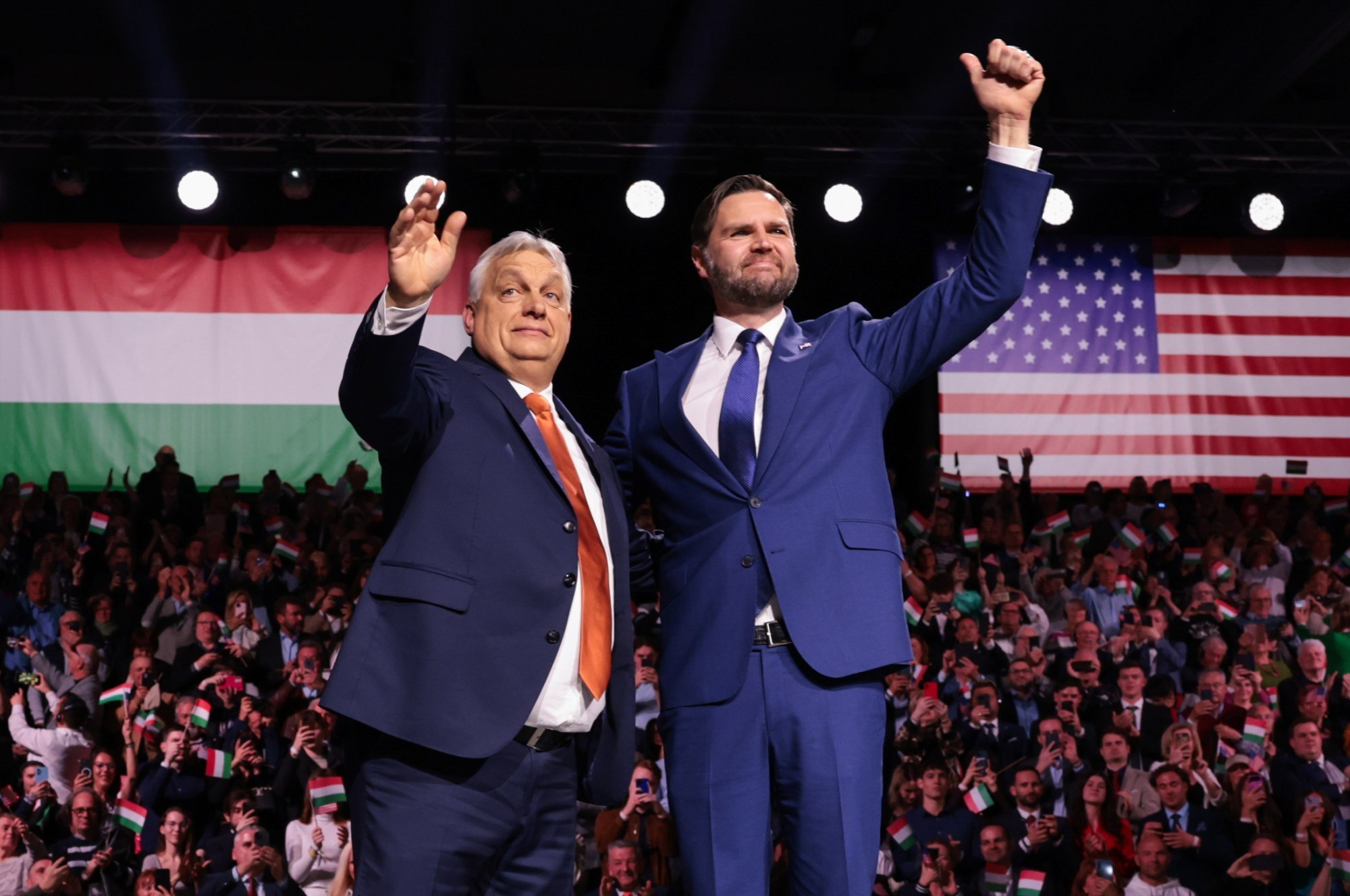
Although Vice President JD Vance was reported as being associated with the effort, his spokesperson told the Deseret News that he “is not involved with or pushing this effort.” Vance nevertheless appeared to allude to a policy shift in remarks in Georgia, saying the administration had “a different approach” and wanted to “fight for your children’s future.”
The Trump administration is exploring a plan to give married couples with a stay-at-home parent federal child-care payments of roughly $9,000 per child per year. Valley News Live reports the proposal would redirect money from the $12 billion Child Care and Development Fund, which now serves about 1.3 million children, mostly in low-income working families. One spouse would need to work at least 35 hours weekly, and households would have to meet state income limits.
The plan has no official announcement and remains under consideration. Critics warn it could strain limited funds and reduce assistance for working parents. Supporters say it would recognize stay-at-home caregiving and give families more options. US Head Topics reports Vice President JD Vance has been associated with the effort, though his spokesperson denied he is pushing it.
Current Program Serves Low-Income Working Families
The Child Care and Development Fund currently helps about 870,000 families raise 1.3 million children. Roughly four in five recipient families are headed by a single working parent, usually a mother. Daily Bulletin notes the fund pays child-care providers so eligible parents can work or attend school. Most recipients live below 200 percent of the state poverty line.
The proposed expansion would introduce the first federal subsidy specifically designed for stay-at-home parents who don't use formal child care. This shift marks a major policy change from the program's original purpose of enabling work and education.
Expanded Eligibility Without New Money Could Hurt Current Recipients
A key concern: the proposal draws from existing funds rather than adding money to the program. Daily News reports that without new appropriations, married households competing for assistance could reduce access for families already receiving help. Waiting lists could grow. Current recipients would face tighter resources.
The roughly $9,000 per child annually would go directly to households instead of to child-care providers. Critics argue this adds a new group of claimants to an already stretched budget and addresses no real market failure in child care.
Plan Favors Married Couples While Excluding Others
The proposal creates eligibility rules that would include married couples but exclude unmarried partners and unemployed single parents. San Bernardino Sun notes one spouse must work at least 35 hours weekly while the other stays home. This structure rewards a single-earner household model.
Supporters frame this as backing traditional family formation and higher birth rates. Critics say it disadvantages unmarried families and redirects dollars away from working parents who use formal child care. The design choice has divided conservatives despite efforts to paint it as pro-family policy.
Sentiment
Mostly NegativeNEGATIVENEUTRALPOSITIVE
Publishers
18
Articles
18
Reach
36
Topics
A
AnonymousAuthor