Netflix Leads UK Viewing
Netflix Overtakes BBC as UK Viewers' First Choice for Television, Ofcom Finds
Anonymous
Key Points
1
Broadcaster-owned streaming services (BBC iPlayer, ITVX, Channel 4 Streaming, and 5) were the fastest-growing category of television services, rising 9% year-on-year.
2
YouTube usage on TVs surged, with daily viewing averaging 19 minutes per person in 2025 and total YouTube viewing across all devices at 41 minutes per person per day; weekly reach on YouTube among those aged 75 and over climbed to about 33%.
3
Netflix-first appeal is highly age-dependent: 36% of 16-24-year-olds choose Netflix first, while only 5% of those over 75 do; conversely, 48% of over-75s switch on BBC first.
4
BBC funding discussions feature proposals to charge streaming subscribers the £180 TV licence fee even if they don’t watch the BBC, as part of broader funding model renegotiations.
5
Content popularity highlights include Netflix airing the two most-watched programmes of 2025 (K-Pop Demon Hunters and Adolescence), while the BBC had eight of the ten most-watched programmes, including The Night Manager and Run Away.
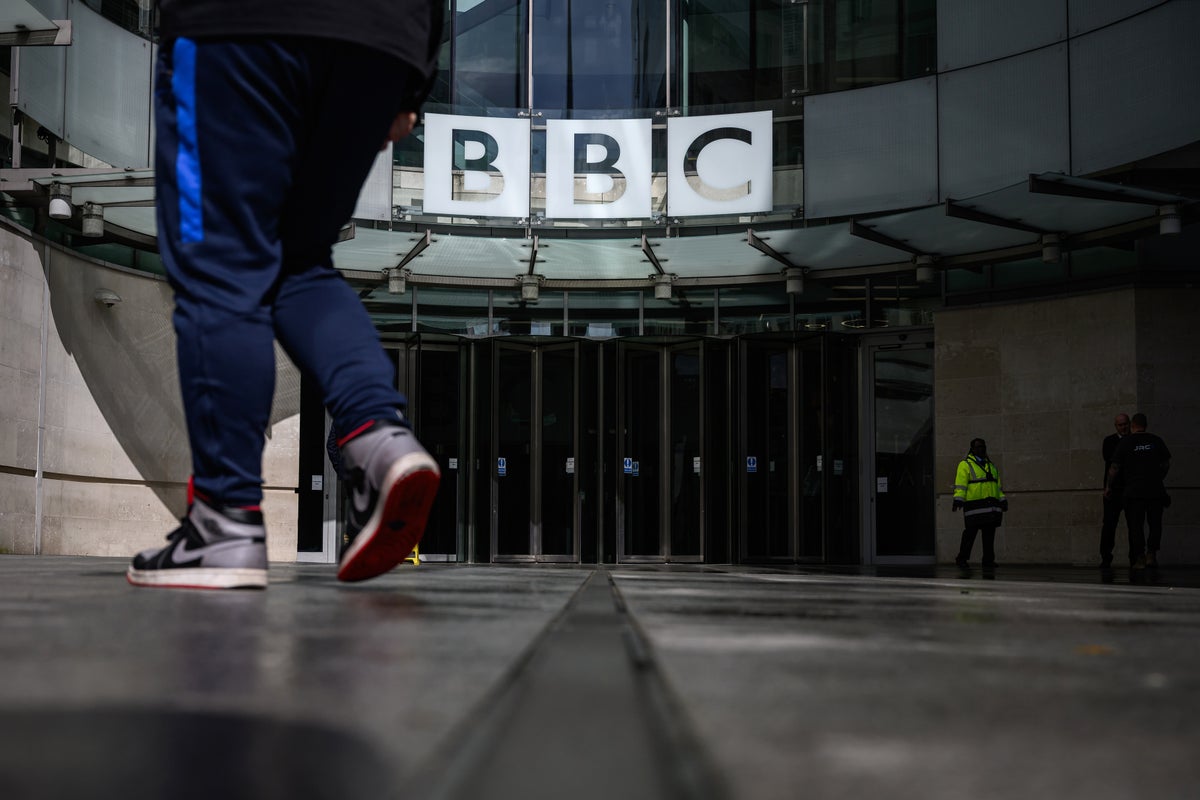
Netflix has overtaken the BBC as the UK's first choice for television, according to Ofcom's annual Media Nations 2025 report. About 26% of UK viewers now reach for Netflix first, compared to 25% who turn to the BBC, according to The Independent.
The shift marks a historic moment for British broadcasting. The BBC has long been seen as the default home of UK television. Now, for the first time, an American streaming service has edged it out, according to Kansas.com.
Netflix Leads Among Young, BBC Dominates Over-75s
The gap between Netflix and the BBC is sharply divided by age. Among 16-to-24-year-olds, 36% choose Netflix first. But only 5% of viewers over 75 do the same, according to Head Topics. Older viewers still strongly favour the BBC — 48% of those over 75 turn to it first.
This age split shows why both services remain powerful in their own way. Netflix dominates younger audiences. The BBC holds firm with older ones. The real battle is for the viewers in between.
Broadcaster Streaming Apps Grow Fast, YouTube Surges on TVs
Traditional broadcasters are fighting back through their own streaming apps. BBC iPlayer, ITVX, Channel 4 Streaming, and My5 were the fastest-growing category of TV services in 2025, rising 9% year-on-year, according to Newsy Today.
YouTube is also becoming a serious TV player. Daily viewing on TVs hit an average of 19 minutes per person in 2025. Across all devices, people watched 41 minutes of YouTube per day. Most strikingly, weekly YouTube reach among viewers aged 75 and over climbed to about 33%, according to GB News.
Netflix Grabs Top Hits, BBC Still Wins the Most-Watched List
Netflix scored the two biggest individual programmes of 2025 — K-Pop Demon Hunters and Adolescence. Both drew huge audiences and showed Netflix can produce must-watch moments, not just background viewing, according to Head Topics.
But the BBC still ruled the broader rankings. Eight of the ten most-watched programmes of 2025 were on the BBC, including The Night Manager and Run Away. That means the BBC still delivers broad, mass-audience content that few can match, according to The Independent.
BBC Funding Model Faces Pressure Amid Shifting Viewing Habits
Ofcom's findings add urgency to ongoing talks about how the BBC is funded. One proposal would charge streaming subscribers the £180 annual TV licence fee — even if they never watch the BBC. The idea is part of broader efforts to reform how the BBC raises money, according to GB News.
The regulator described the situation as presenting "growing challenges" for the national broadcaster. Traditional broadcasters still attract a majority of weekly viewing. But their share is falling year by year. The question now is how fast that decline continues, according to Newsy Today.
Sentiment
Mostly PositiveNEGATIVENEUTRALPOSITIVE
Publishers
12
Articles
96
Reach
108
A
AnonymousAuthor


