Wetlands Thrive, Rare Birds Return
Rare Night Heron Spotting at Holnicote Highlights Successful UK Wetland Revival
Anonymous
Key Points
1
The UK has lost over 97% of its wetlands due to drainage and changes in land management, underscoring why renewing wetlands is a priority.
2
Holnicote Estate’s freshwater restoration has created habitat not only for rare night herons but also for other wildlife, including water voles, otters, pine martens and white-tailed eagles.
3
The restoration strategy uses a 'Stage Zero' river restoration approach—removing legacy drainage and allowing beavers to modify streams, creating the deep, slow-moving pools that wetland habitats need.
4
The night heron’s breeding presence in the UK has a Somerset tradition, with the first confirmed UK breeding recorded in Somerset in 2017 (late 2010s for Europe), highlighting the species’ rarity here.
5
The black-crowned night heron is largely nocturnal and hunts mainly at night, which helps explain why sightings are exceptionally rare during the day.
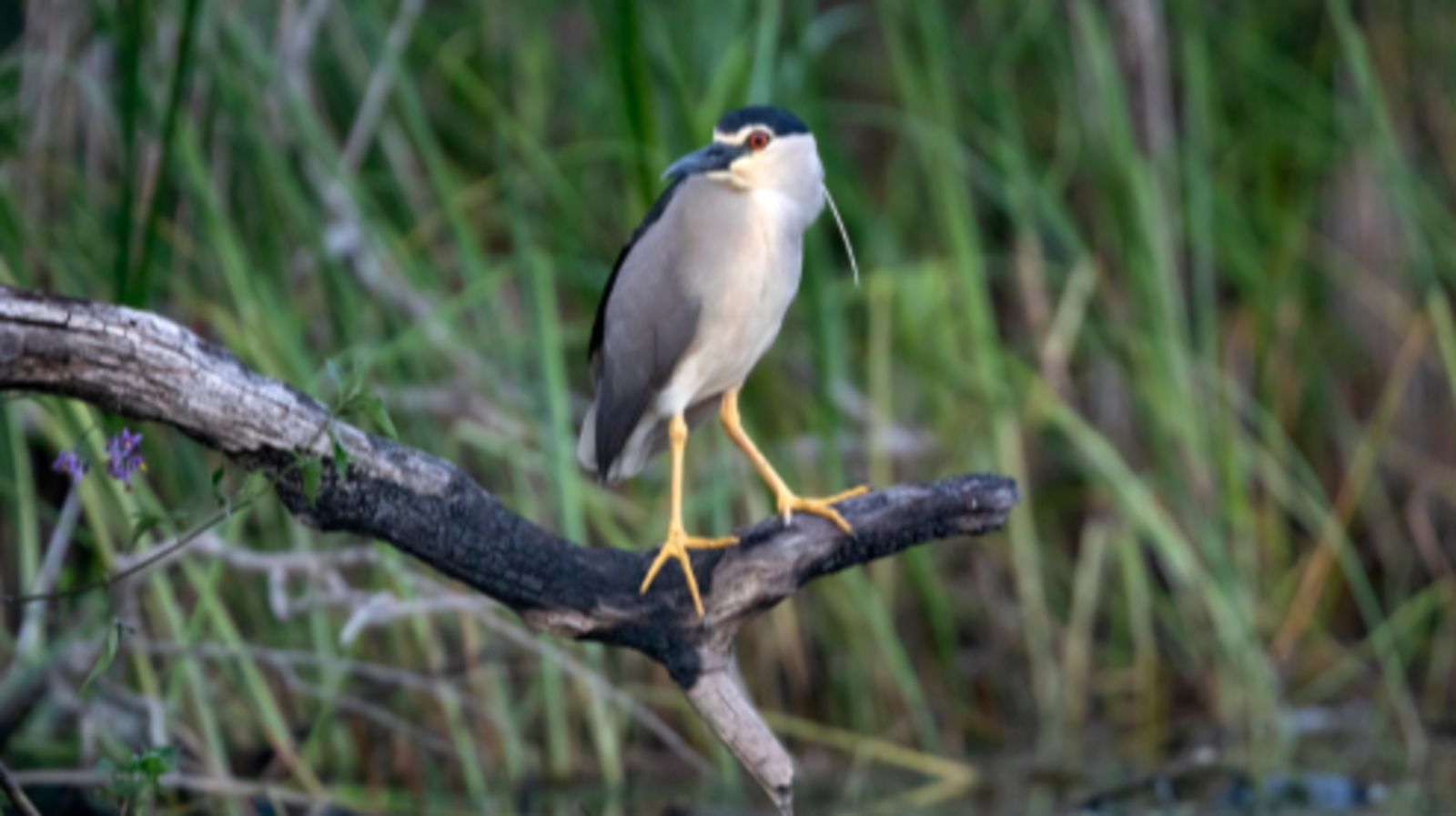
A rare black-crowned night heron has been caught on camera three days in a row at the National Trust's Holnicote Estate in Somerset, marking an exceptional sighting for the UK ITV. The bird, which grows up to 66cm tall, is almost never seen in Britain — making the footage a landmark moment for conservationists working to restore the estate's wetlands.
Officials say the sighting is direct proof that large-scale habitat restoration is working BBC. The estate has spent years rebuilding freshwater habitats, and conservationists believe those efforts are now drawing rare wildlife back to Somerset.
Why a Night Heron Sighting in the UK Is So Rare
The black-crowned night heron is largely nocturnal. It hunts almost entirely after dark, which is one reason daytime sightings are so uncommon Yahoo News. The species is rarely observed in the UK at any time of year. The first confirmed UK breeding was recorded in Somerset in 2017, underlining just how unusual the bird's presence here remains.
Spotting one on camera three days in a row makes this event even more striking ITV. Birdwatchers and conservationists say this kind of repeat sighting suggests the heron found conditions at Holnicote good enough to stay — not just pass through.
Beaver Activity and 'Stage Zero' Restoration Behind the Habitat Boost
The Holnicote Estate uses a method called 'Stage Zero' river restoration. In simple terms, this means removing old drainage channels and letting rivers spread naturally across their floodplains HiTechHub. The result is deeper, slower-moving pools — exactly the kind of wet habitat that species like the night heron need to feed and rest.
Beavers play a key role in shaping these new habitats. Their dams slow water flow and create pools across the landscape BBC. Project managers say this combination of natural engineering and deliberate restoration has transformed the estate into a magnet for wetland wildlife, including otters, water voles, pine martens, and white-tailed eagles.
UK Has Lost 97% of Wetlands — And Is Paying the Price
Britain has lost over 97% of its wetlands due to decades of drainage and changes in land use AOL. That loss has wiped out habitat for dozens of species and removed natural flood barriers. Officials say rebuilding wetlands is now a priority — not just for wildlife, but for flood resilience and climate adaptation.
Holnicote is one of the most visible examples of what landscape-scale restoration can look like in practice HiTechHub. By reconnecting floodplains and working with natural processes rather than against them, the estate is helping to reverse a century of wetland loss — one beaver dam and one rare heron sighting at a time.
Conservationists Call Sighting a Validation of Restoration Work
National Trust project managers say the night heron's appearance is more than a fun wildlife moment. It validates the entire restoration strategy BBC. When rare and sensitive species begin turning up on their own, it signals that the habitat has reached a quality they can actually use.
Officials say they now expect more nocturnal and secretive wildlife to return as the estate's wetlands continue to mature Yahoo News. The Holnicote project is being watched closely as a model for how the UK can rebuild biodiversity at scale — and the night heron may be just the beginning.
Sentiment
Mostly PositiveNEGATIVENEUTRALPOSITIVE
Publishers
10
Articles
7
Reach
17
A
AnonymousAuthor


