Okefenokee Heritage Status
Georgia's Okefenokee Swamp Earns Prestigious UNESCO World Heritage Site Designation
Anonymous
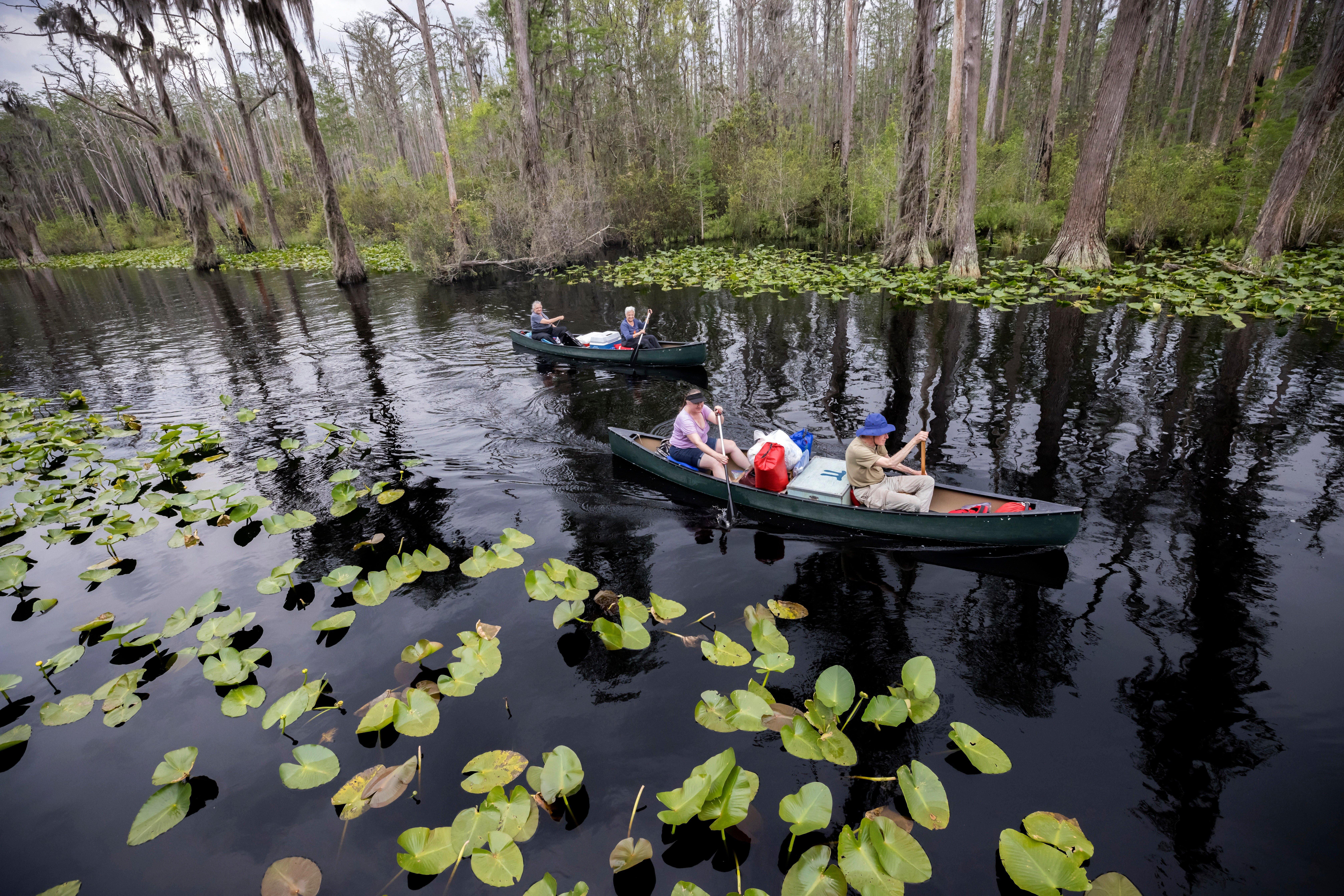
UNESCO added the Okefenokee National Wildlife Refuge to its World Heritage List in July, making the vast Georgia-Florida swamp one of the most recognized natural sites on Earth, according to NBC Connecticut. The designation puts Okefenokee alongside more than 1,200 other protected properties chosen for their outstanding cultural or environmental importance.
The Okefenokee is one of 25 new sites added to the list this year, NBC Washington reported. The swamp spans roughly 400,000 acres of blackwater wetlands, ancient peat, and wildlife habitat along the Georgia-Florida border — making it one of the largest and most intact freshwater ecosystems in North America.
Why Okefenokee Earned Its World Heritage Status
UNESCO grants World Heritage status to places of exceptional universal value. That means a site must stand out globally — not just nationally. The Okefenokee qualifies as a rare, largely undisturbed wilderness. It supports hundreds of species, including black bears, alligators, sandhill cranes, and rare pitcher plants, NBC Chicago reported.
The swamp's ecosystem is also a massive natural carbon store. Its deep layers of peat have built up over thousands of years. Scientists consider peat bogs critical tools in the fight against climate change, since they lock away carbon that would otherwise heat the atmosphere.
Economic Boost Expected for Surrounding Communities
The UNESCO label is more than an honor — it is a tourism magnet. World Heritage status draws international visitors and raises a site's global profile. Local leaders expect the designation to bring more travelers and money to towns surrounding the refuge, NBC Boston reported.
Communities near the swamp have long relied on nature-based tourism. The new designation could give local economies a significant lift. Hotels, guides, and outdoor outfitters near the Okefenokee stand to benefit most, according to NBC Philadelphia.
Some Locals Worry About UN Influence Over the Land
Not everyone is celebrating. Some residents near the Okefenokee have raised concerns about what the UNESCO label means for local control. They worry the United Nations could gain influence over how the land is managed, NBC Dallas-Fort Worth reported.
Experts say those fears are largely unfounded. UNESCO World Heritage status does not give the UN any governing power over a site. The land remains under U.S. federal management. The designation is symbolic and advisory — not legal or political, NBC San Diego noted.
25 New Sites Join a List of Global Treasures
The Okefenokee is one of 25 sites added to the UNESCO World Heritage List in July 2025. The full list now includes more than 1,200 properties across the globe, NBC Los Angeles reported. Sites range from ancient ruins and historic cities to forests, reefs, and wetlands.
Each site is chosen because it holds outstanding value for all of humanity — not just the country where it sits. For the Okefenokee, that means its wild, largely untouched landscape is now seen as a shared global treasure worth protecting for future generations.
Sentiment
NeutralNEGATIVENEUTRALPOSITIVE
Publishers
8
Articles
8
Reach
8
A
AnonymousAuthor


