South Korea Plans Abortion Pills Under Nine Weeks
South Korea Plans Abortion Pills Under Nine Weeks
Anonymous
Key Points
1
The Ministry of Food and Drug Safety is reviewing an application to approve the medication’s import into South Korea; the nine-week limit is based on clinical-trial data covering 63 days of pregnancy.
2
The government said delayed access can restrict women’s ability to choose between medication and surgery and increase socioeconomic burdens, including higher costs as pregnancies advance.
3
The initiative follows President Lee Jae-myung’s July instruction to examine whether medication for terminating pregnancies could be legally and safely introduced, making it the first government-level effort to overhaul the system since the 2019 court ruling.
4
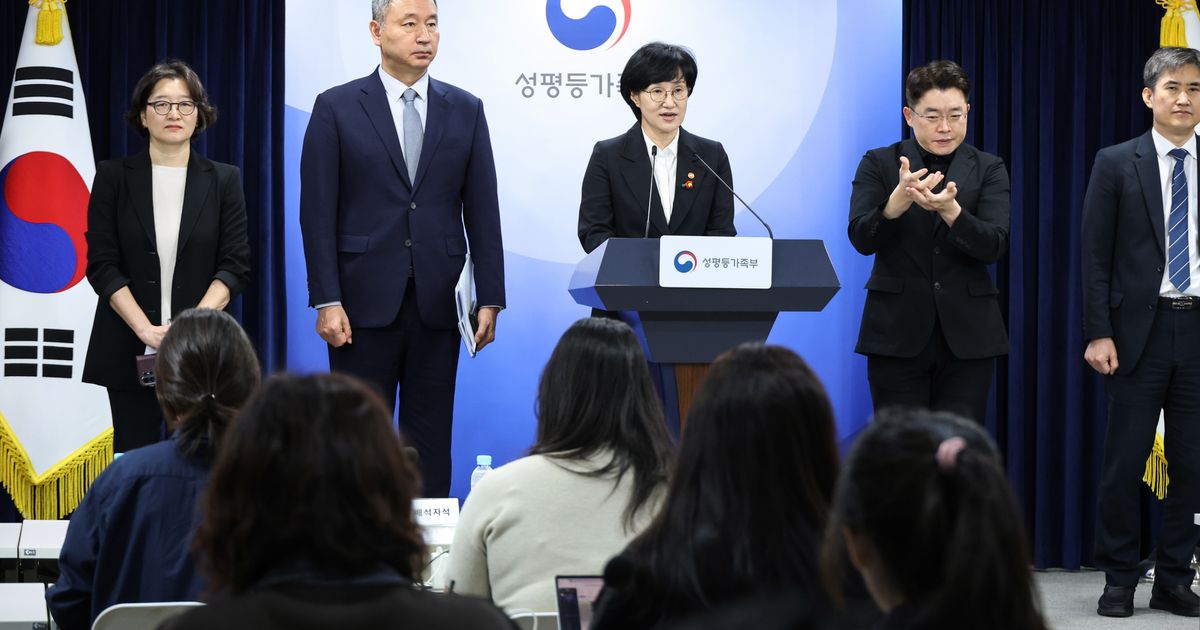
Prime Minister Han Seong-sook said leaving the issue unresolved amid continuing debate would amount to “neglecting the lives and safety of the public,” framing the policy as a response to an institutional vacuum rather than a resolution of the broader debate over abortion.
South Korea will approve abortion medication for pregnancies up to nine weeks by early 2027, ending a seven-year legal vacuum created when the Constitutional Court struck down criminal abortion bans in 2019 WRAL. WTOP News reports that the joint initiative—led by the Ministries of Gender Equality, Health, and Food and Drug Safety—aims to prevent women from turning to unverified online drugs or unsafe surgical methods.
For the first two years, hospitals will dispense the medication directly to patients. Prime Minister Han Seong-sook said Winnipeg Free Press that leaving the issue unresolved "effectively amounts to neglecting public health and safety." The nine-week limit is based on clinical trial data covering 63 days of pregnancy.
Seven Years Without Legal Framework
After South Korea's Constitutional Court decriminalized abortion in 2019, lawmakers never passed replacement laws, leaving a regulatory vacuum Journal News. Women have relied on illegal online purchases and unauthorized imports ever since. The government says this created serious health risks—women could not access verified drugs or get medical screening for conditions like ectopic pregnancies.
President Lee Jae-myung instructed cabinet agencies in July 2026 to examine how medication abortion could be safely legalized. Dayton Daily News reports that the Ministry of Government Legislation then confirmed that existing safety rules allow pharmaceutical approval without changing the Mother and Child Health Act.
Hospital-Only Distribution for Two Years
Doctors in medical facilities will prescribe and dispense the medication during an initial two-year phase. This allows doctors to perform ultrasounds to check for ectopic pregnancies and screen for medical conditions. After two years, the government plans to shift to standard prescriptions filled at retail pharmacies.
The medication—mifepristone and misoprostol combined as Mifegymiso—has a ~95% success rate. Over 90 countries already permit this combination, from France (since 1988) to the United States (2000) and Japan (2023). The Ministry of Food and Drug Safety is completing its review of manufacturer Hyundai Pharm's safety risk plan.
Cost and Access Concerns Remain Unresolved
The government has not yet decided whether national health insurance will cover the medication, which will significantly affect out-of-pocket costs for women. Officials also acknowledged potential gaps in rural and medically underserved areas during the hospital-only phase and promised targeted support measures.
Progressive women's rights groups welcomed the announcement as a milestone for reproductive autonomy. However, some advocates urged the government to extend the allowable period to 12 weeks to expand healthcare access further. Medical groups supported in-clinic dispensing but called for clear legislative protections to clarify legal liabilities for healthcare providers.
Sentiment
Mostly NegativeNEGATIVENEUTRALPOSITIVE
Publishers
33
Articles
83
Reach
116
Topics
A
AnonymousAuthor


