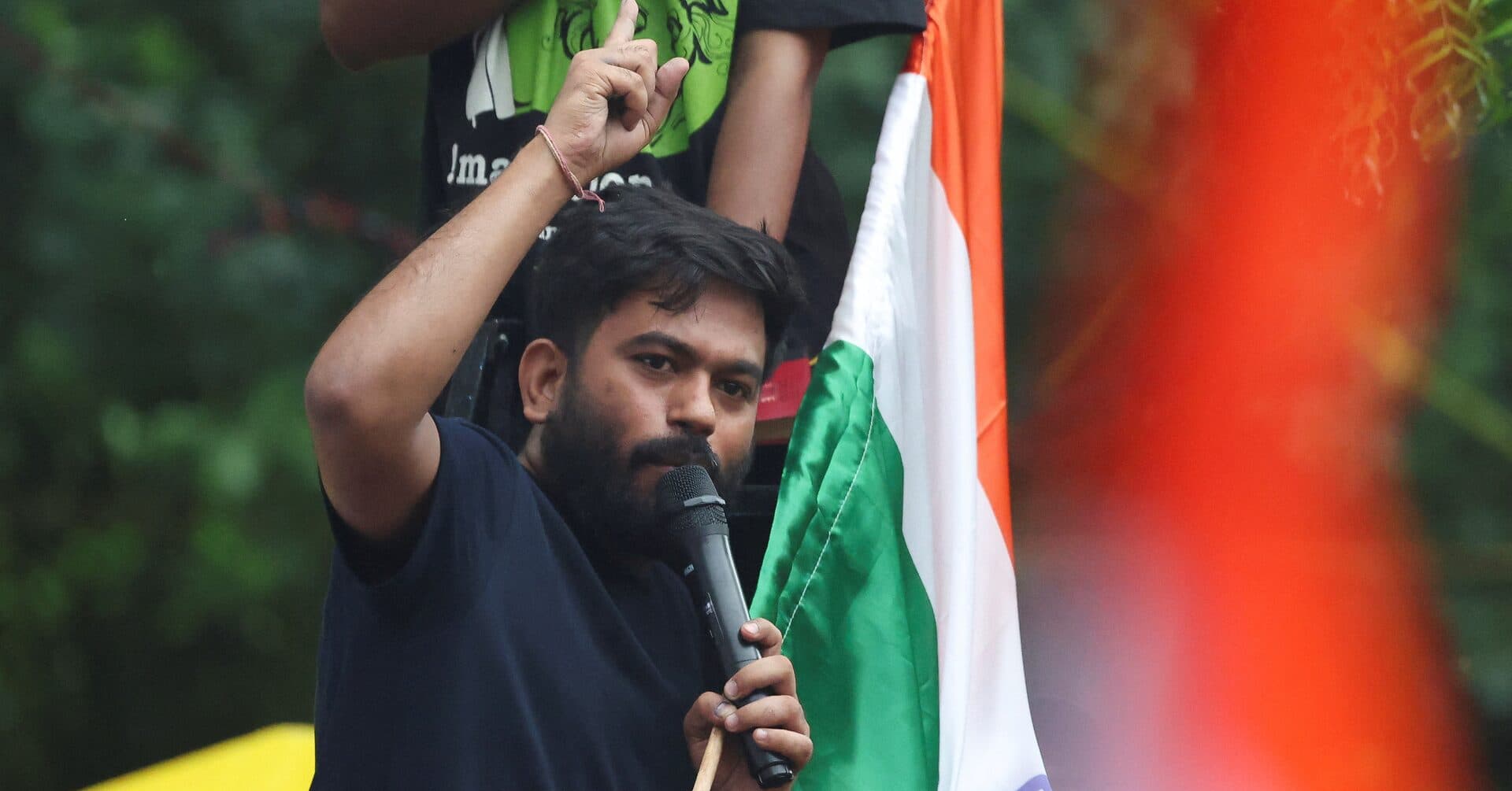
Global Protest Wave
Protests Rise Across Multiple Nations Over Economic And Political Grievances
Anonymous
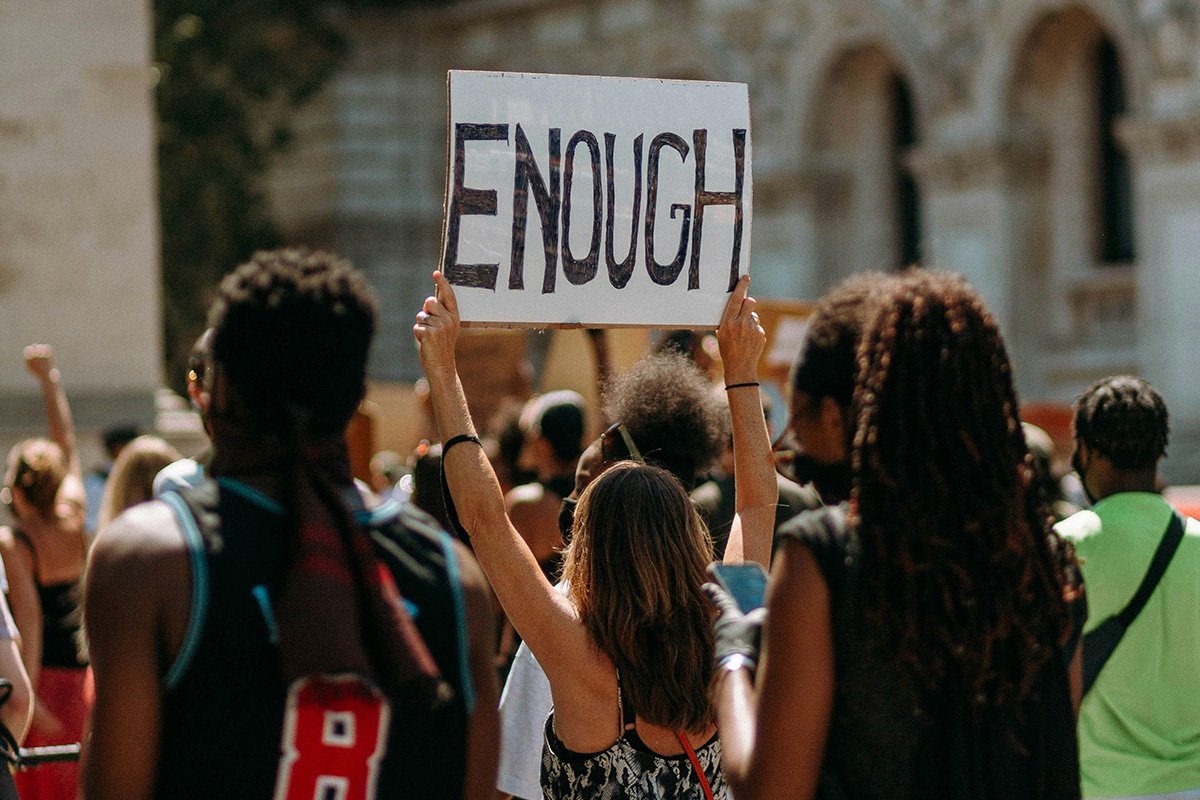
Key Points
1
The PTI’s planned Sept. 27 march is intended to demand the release of its jailed founder, and authorities have reportedly issued at least 155 preventive-detention orders, canceled police leave, prepared containers and roadblocks, and enforced Section 144 in Punjab.
2
The Dawn editorial argues that the government’s use of multiple overlapping measures against PTI leaders and supporters goes beyond reasonable public-order precautions and risks treating calls for peaceful protest as a “thought crime.”
3
The debate over fuel relief is shaped by external economic pressures: conflict around the Strait of Hormuz has pushed global oil prices higher and threatened supplies, while eliminating Pakistan’s petroleum levy would affect the budget, debt servicing and other public obligations.
4
The Nation argues that Jamaat-i-Islami’s insistence on abolishing the petroleum levy entirely, despite targeted relief for smaller vehicle users, raises questions about whether the protests are aimed at negotiation or at sustaining political mobilisation.
5
The Cornell Sun discussion was organized as part of a recurring roundtable series bringing together writers from its Opinion, Arts & Culture and Lifestyle sections to examine contentious issues affecting Cornell students.
Protest movements across South Asia and U.S. campuses are intensifying disputes over government accountability and institutional policy. In Pakistan, authorities have issued at least 155 preventive-detention orders ahead of the PTI's planned September 27 march demanding the release of jailed founder Imran Khan The Dawn. In India's Karnataka state, the Solidarity Youth Movement is threatening escalated demonstrations unless the government recruits promised Urdu and Marathi teachers Darpan Magazine. Meanwhile, Cornell University students are examining how campus policies shape protest culture and political discourse Student Life.
Pakistan Tightens Security Against Opposition March
Pakistan's government is deploying extensive preventive measures to block the PTI's planned march. Authorities have canceled police leave, positioned containers and roadblocks, and enforced Section 144 restrictions in Punjab. The Dawn reports these overlapping actions risk treating peaceful protest calls as a "thought crime." Critics argue the government is suppressing lawful opposition rather than preventing genuine violence.
Fuel Relief Sparks Debate Over Protest Aims
Pakistan faces competing pressures over fuel costs. The government offered targeted relief for motorcycles, rickshaws and small vehicles The Nation, but Jamaat-i-Islami demands abolishing the petroleum levy entirely. The Nation questions whether protests aim at genuine negotiation or sustained political mobilization. Global oil prices have risen due to conflict near the Strait of Hormuz, complicating Pakistan's fiscal position The Nation.
Indian Teachers Push Back on Recruitment Delays
Karnataka's Solidarity Youth Movement is demanding the government honor its pledge to recruit 800 Urdu teachers and 200 Marathi teachers Darpan Magazine. The group warns that reducing promised vacancies would disadvantage qualified linguistic-minority candidates. Intensified demonstrations are planned if the government fails to meet its commitment.
Campus Discourse Balances Politics and Disruption
Cornell University student writers are examining how campus policies and changing attitudes shape protest culture Student Life. The recurring roundtable series brings together Opinion, Arts & Culture and Lifestyle section writers to explore contentious campus issues. The discussion highlights the tension between political discourse and disruption on campuses facing competing pressures.
Sentiment
Mostly NegativeNEGATIVENEUTRALPOSITIVE
Publishers
18
Articles
53
Reach
71
A
AnonymousAuthor